Unlocking the power of visual storytelling, this exploration delves into ten diverse storyboard examples, showcasing a spectrum of artistic styles and practical applications. From animation and film to video games, we examine how different compositional techniques, narrative structures, and levels of detail impact the final product. Discover how to effectively convey emotion, character development, and plot through compelling visuals.
We’ll analyze the advantages and disadvantages of various approaches to storyboard creation, offering insights into effective scene planning, camera angles, and the integration of sound and dialogue. This guide aims to equip you with the knowledge and inspiration to elevate your next project through the strategic use of storyboards.
Diverse Storyboard Styles & Applications
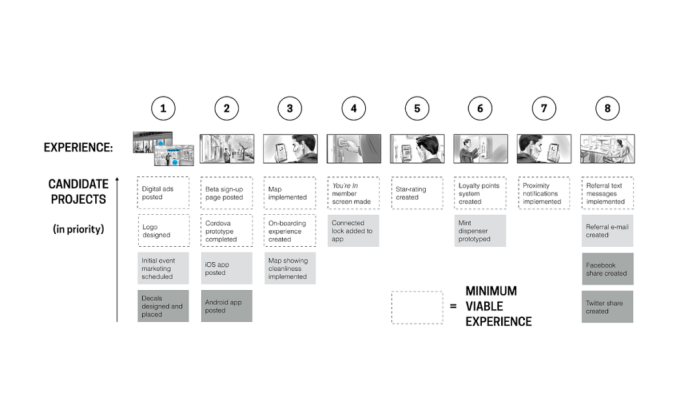
Storyboards are visual blueprints crucial for pre-visualization in various media. Their style significantly impacts the final product’s aesthetic and narrative effectiveness. Different styles cater to different project needs and target audiences. Exploring diverse approaches enhances creative possibilities and allows for tailored storytelling.
The following examples illustrate ten diverse storyboard styles, each with applications across animation, film, and video games:
Ten Diverse Storyboard Examples
These examples demonstrate the versatility of storyboarding and how style choices can significantly impact the final product.
- Realistic Style: Depicts scenes with detailed backgrounds, accurate human anatomy, and photorealistic rendering. Suitable for live-action films aiming for a high level of realism, documentary-style projects, or realistic animation features.
- Cartoonish Style: Employs exaggerated features, simplified shapes, and bright colors. Ideal for animated films targeting children, comedic projects, or video games with a lighthearted tone.
- Minimalist Style: Utilizes simple shapes, limited color palettes, and sparse details. Effective for conveying core narrative elements quickly and efficiently, suitable for independent films, short animated pieces, or concept art for video games.
- Comic Book Style: Mimics the visual language of comic books, with speech bubbles, panel layouts, and dynamic action lines. Well-suited for animated shorts, graphic novels adapted for screen, or video games with a strong visual narrative focus.
- Painterly Style: Employs brushstrokes and textures reminiscent of paintings, creating a unique artistic feel. Best for projects emphasizing atmosphere and mood, such as independent films, animated shorts with a distinct artistic vision, or video game cutscenes.
- Sketchy Style: Uses loose, unfinished sketches to convey the basic composition and action. Often used in early stages of development, ideal for quick brainstorming sessions, initial concept pitches, or low-budget projects.
- Silhouette Style: Focuses on shapes and Artikels, omitting detail to emphasize form and movement. Useful for creating dramatic impact, conveying mood, or highlighting character interactions, suitable for animated films, live-action films, or video games with stylistic emphasis.
- Anime Style: Characterized by large eyes, expressive features, and dynamic action poses. Primarily used for anime-style animation, but can also be adapted for video games or live-action films with a similar aesthetic.
- Isometric Style: Uses a three-quarter perspective, creating a sense of depth and allowing for detailed environments. Frequently used in video games and animated films with a focus on spatial representation.
- Motion Graphic Style: Employs typography, abstract shapes, and dynamic transitions to convey information concisely. Best suited for short animated explainers, title sequences, or promotional videos.
Storyboard Applications Across Media
Storyboards play a crucial role in pre-production, regardless of the chosen medium. However, their specific applications and advantages/disadvantages vary.
| Style | Application | Advantages | Disadvantages |
|---|---|---|---|
| Realistic | Live-action film, realistic animation | Precise visualization, clear understanding of camera angles and lighting | Time-consuming to create, may require specialized artistic skills |
| Cartoonish | Animation, video games | Quick to create, easily understood by diverse teams, conveys emotion effectively | May lack detail for complex scenes, might not accurately represent final product |
| Minimalist | Independent films, short animations | Concise, efficient communication of key narrative points, versatile | May lack visual richness, might not capture nuances of emotion or setting |
| Comic Book | Animated shorts, graphic novel adaptations | Dynamic, engaging, conveys action effectively | Might be difficult to translate into other visual styles, may not be suitable for all genres |
Storyboard Style and Project Mood
The stylistic choices made in storyboarding directly impact the overall mood and tone of the final product. A realistic style might evoke a sense of gravitas and realism, while a cartoonish style could create a lighthearted and playful atmosphere.
For example, a film using a painterly style with muted colors and soft brushstrokes would likely convey a melancholic or introspective mood, unlike a film using a bright, bold, and sketchy style which might suggest a more energetic and fast-paced narrative.
Storyboard Composition & Visual Storytelling
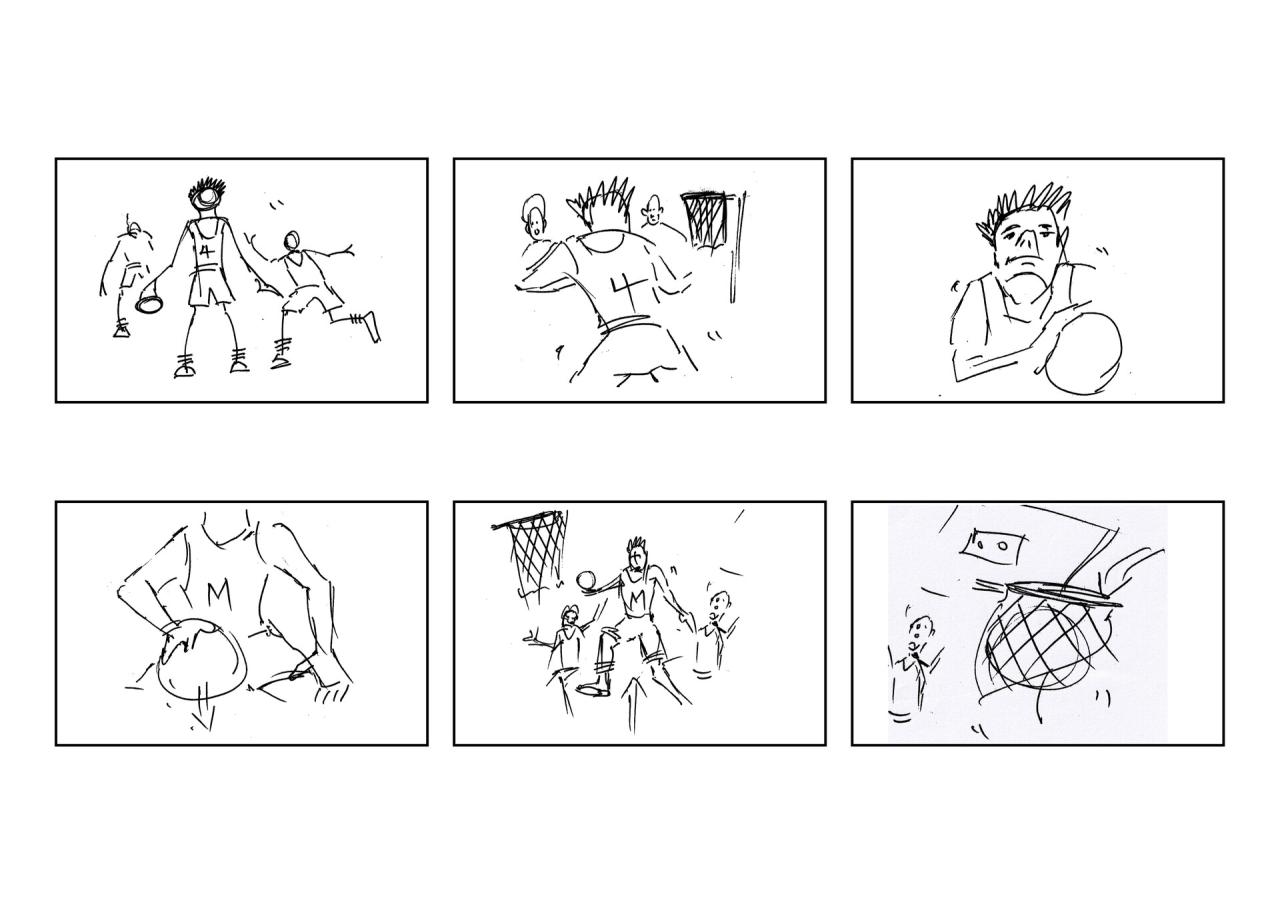
Effective storyboarding relies heavily on visual composition and storytelling techniques to convey narrative information efficiently. Mastering these techniques allows for clear communication of plot, character, and emotion, resulting in a more impactful and engaging final product, whether it’s a film, animation, or commercial. This section will explore several examples demonstrating the power of visual storytelling through composition and narrative structure.
Storyboard Composition Techniques
Effective visual composition guides the viewer’s eye and enhances the storytelling. The following examples illustrate the impact of key techniques such as the rule of thirds, leading lines, and framing.
- Example 1 (Rule of Thirds): A shot of a lone figure standing in a vast, desolate landscape. The figure is positioned off-center, following the rule of thirds, creating a sense of isolation and emphasizing the vastness of the surroundings. The empty space around the figure enhances the feeling of loneliness and vulnerability.
- Example 2 (Leading Lines): A road winding through a mountainous region leads the viewer’s eye towards a distant village. The lines created by the road draw the viewer into the scene and create a sense of journey and anticipation.
- Example 3 (Framing): A character is seen through an open doorway, framed by the architectural details. This framing technique isolates the character and adds a layer of mystery or intrigue. The doorway acts as a visual barrier, prompting the viewer to wonder about what lies beyond.
- Example 4 (Rule of Thirds & Leading Lines): A character walking along a path towards a rising sun. The character is placed off-center (rule of thirds), and the path acts as a leading line, guiding the viewer’s eye towards the hope and promise symbolized by the sunrise.
- Example 5 (Framing & Rule of Thirds): A close-up shot of a character’s face framed by their hands, placed off-center to emphasize a specific facial expression. This creates intimacy and allows the viewer to focus on the character’s emotions.
- Example 6 (Leading Lines & Depth of Field): A character is shown walking down a long corridor, with leading lines created by the walls and floor converging in the distance. A shallow depth of field blurs the background, emphasizing the character’s isolation and journey.
- Example 7 (Symmetry): A perfectly symmetrical shot of a building reflecting in a still pond. The symmetry creates a sense of balance and harmony, potentially hinting at order or stability within the narrative.
- Example 8 (Negative Space): A single, small object placed in a large, empty space. The negative space emphasizes the object’s significance and creates a feeling of isolation or vastness.
- Example 9 (Dynamic Composition): A scene with diagonal lines and a sense of movement, creating a feeling of energy and excitement. This contrasts with static compositions, indicating a shift in the narrative’s pace or mood.
- Example 10 (Close-up & Extreme Close-up): A close-up shot of a character’s eyes followed by an extreme close-up of a single tear rolling down their cheek. This technique dramatically emphasizes emotion and vulnerability.
Narrative Structures in Storyboards
Different narrative structures impact how a story unfolds and is perceived. The following examples showcase the use of linear, non-linear, and flashback structures.
- Example 1 (Linear Narrative): A storyboard depicting a simple chase scene, following a clear chronological order of events from beginning to end. Each frame progresses logically, building suspense and culminating in a resolution.
- Example 2 (Non-linear Narrative): A storyboard jumping between different timelines, perhaps showing present-day events interspersed with flashbacks to the character’s past. This creates intrigue and reveals information gradually.
- Example 3 (Flashback): A storyboard that begins in the present, then shifts to a flashback scene showing a pivotal moment from the character’s past that explains their current actions or motivations. The visual cues, like a faded color palette, indicate the flashback.
- Example 4 (In Media Res): A storyboard starting mid-action, throwing the viewer directly into the narrative. The subsequent frames reveal the context and background information gradually.
- Example 5 (Parallel Narrative): A storyboard that shows two separate storylines unfolding simultaneously, potentially interweaving and converging later in the narrative. This allows for comparing and contrasting different perspectives or events.
- Example 6 (Circular Narrative): A storyboard that ends where it begins, creating a sense of cyclical time or fate. The final frame mirrors the opening frame, highlighting the story’s thematic resonance.
- Example 7 (Episodic Narrative): A storyboard composed of several self-contained episodes, each with a beginning, middle, and end, but all contributing to an overarching narrative. Each episode can be visually distinct, reflecting a change in location or time.
- Example 8 (Nonlinear with Multiple Perspectives): A storyboard showing the same event from different character’s viewpoints, highlighting subjective experiences and creating a more complex narrative.
- Example 9 (Dream Sequence): A storyboard depicting a dream sequence, using surreal imagery and distorted perspectives to visually communicate the dreamlike state. This can be visually distinct from the “reality” portions of the narrative.
- Example 10 (Nonlinear with Time Jumps): A storyboard jumping between years in a character’s life, showcasing significant moments and transitions. Visual cues, like aging characters or changing fashion styles, help the viewer track the passage of time.
Conveying Emotion and Character Development
Visual cues are crucial for conveying emotion and developing characters effectively in a storyboard. The following examples demonstrate how visual elements achieve this.
- Example 1 (Body Language): A character’s slumped posture and downcast eyes communicate sadness or defeat. The body language is a clear visual cue that doesn’t require dialogue.
- Example 2 (Facial Expressions): Close-up shots emphasizing a character’s facial expressions – a smile, a frown, or a look of surprise – instantly convey their emotional state.
- Example 3 (Color Palette): A dark and muted color palette can create a sense of sadness or mystery, while bright and vibrant colors can evoke joy or excitement. The overall color scheme significantly impacts the mood.
- Example 4 (Costuming): A character’s clothing choices can reveal aspects of their personality, social status, or even their emotional state. For example, tattered clothes might suggest poverty or hardship.
- Example 5 (Setting): The environment surrounding a character can reflect their inner world. A cluttered, messy room might suggest a chaotic mind, while a clean and organized space might indicate order and control.
- Example 6 (Lighting): High-key lighting can create a cheerful and optimistic mood, while low-key lighting can generate suspense or drama. The use of shadows can also be significant.
- Example 7 (Camera Angles): High-angle shots can make a character appear vulnerable or insignificant, while low-angle shots can make them appear powerful or threatening.
- Example 8 (Symbolism): The use of symbolic imagery – such as a wilting flower to represent loss or a bright sun to represent hope – can enhance the emotional impact of the story.
- Example 9 (Character Interaction): The way characters interact – their physical proximity, their body language, and their facial expressions – communicates their relationships and emotions.
- Example 10 (Progressive Change in Visuals): A storyboard showing a character’s gradual transformation over time, through changes in their appearance, demeanor, or surroundings, reflecting their character arc.
Practical Storyboard Creation & Workflow
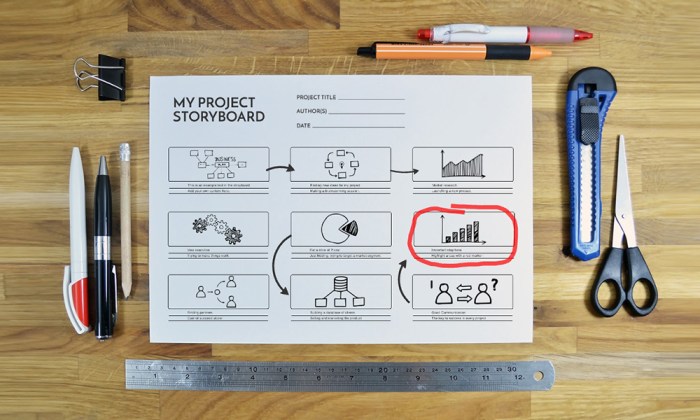
Effective storyboard creation involves a structured workflow that balances artistic expression with practical planning. Understanding different approaches to scene planning, varying levels of detail, and integrating sound design are crucial for creating compelling visual narratives. This section explores these aspects through practical examples.
Storyboard Examples: Scene Planning Approaches
The following ten storyboard examples illustrate diverse approaches to scene planning, showcasing variations in shot lists, camera angles, and character movements. Each example focuses on a specific aspect of scene planning to demonstrate its impact on the overall narrative.
- Establishing Shot: A wide shot of a bustling city street, establishing the location. The camera is stationary, showing the environment before focusing on specific characters.
- Over-the-Shoulder Shot: Two characters are in conversation. The camera is positioned behind one character, looking over their shoulder at the other, creating intimacy and focus on the dialogue.
- Close-Up: A character’s emotional reaction is emphasized through a close-up shot, focusing on their facial expression and highlighting their internal state.
- Point-of-View Shot: The scene is shown from the perspective of a character, creating immersion and understanding of their experience.
- Tracking Shot: The camera moves alongside a character as they walk, maintaining focus and creating a sense of movement and progression.
- Panning Shot: The camera slowly sweeps across a landscape, revealing the scope of the environment and its details.
- Zoom Shot: The camera zooms in on a specific object or character, drawing the viewer’s attention and building tension.
- Crane Shot: The camera moves vertically, offering a dynamic perspective and showcasing the scale of the scene.
- Low-Angle Shot: The camera is positioned low to the ground, looking up at a character, creating a sense of power or intimidation.
- High-Angle Shot: The camera is positioned high above, looking down on a character, creating a sense of vulnerability or insignificance.
Storyboard Examples: Varying Levels of Detail
Different levels of detail in storyboards cater to various needs and project scopes. Simple sketches allow for quick planning and iterative changes, while detailed illustrations provide a more precise visual representation for complex scenes.
- Simple Sketch: Stick figures and basic shapes represent characters and objects. This is quick to create, but lacks visual detail.
- Rough Sketch: More detailed figures and basic environments are included. This provides more visual information than stick figures but still allows for flexibility.
- Detailed Sketch: Characters are drawn with greater anatomical accuracy and more detail in their clothing and expressions. Environments are more realistically rendered.
- Rendered Sketch: Basic color and shading are added to give the storyboard a more polished look. This enhances visual clarity.
- Fully Rendered Illustration: High level of detail in character design, environment, lighting, and composition. This provides a near-final look but requires significant time investment.
- Photo-Based Storyboard: Using photographs as a base for the storyboard provides a very realistic look, though it may be less flexible for changes.
- 3D Model-Based Storyboard: Utilizing 3D models offers high realism and precision, useful for complex scenes or special effects.
- Simple Color Palette: Utilizing a limited color palette to focus on key elements and reduce complexity.
- Detailed Color Palette: Using a broad range of colors to enhance realism and mood.
- Monochromatic Storyboard: Using a single color or a limited range of shades to create a specific atmosphere or style.
Storyboard Examples: Integrating Sound and Dialogue
Sound design is integral to enhancing the visual narrative. The following examples illustrate how sound effects, music, and dialogue contribute to the overall storytelling experience.
- Silence for Emphasis: A moment of silence after a shocking event creates tension and emphasizes the impact.
- Diegetic Sound: Sounds originating from within the scene (e.g., footsteps, car horns) create realism and immersion.
- Non-Diegetic Sound: Sounds added for effect (e.g., dramatic music, narration) influence the viewer’s emotional response.
- Dialogue Placement: Positioning dialogue bubbles within the storyboard clearly indicates who is speaking and when.
- Sound Effects to Enhance Action: Adding sound effects like explosions or gunshots enhances the impact of violent or action-oriented scenes.
- Music to Set Mood: Using music to set the emotional tone, for example, using suspenseful music for a thriller scene.
- Ambient Sounds to Establish Setting: Using ambient sounds such as birds chirping or city noise helps to establish the setting and mood of a scene.
- Sound Transitions: Using sound transitions to highlight shifts in time or location, such as a fade-out and fade-in of music.
- Footsteps to Indicate Movement: Using sound effects such as footsteps to indicate character movement, even if the movement is not explicitly shown.
- Silence to Build Suspense: Utilizing silence strategically to build suspense before a crucial moment.
Final Conclusion
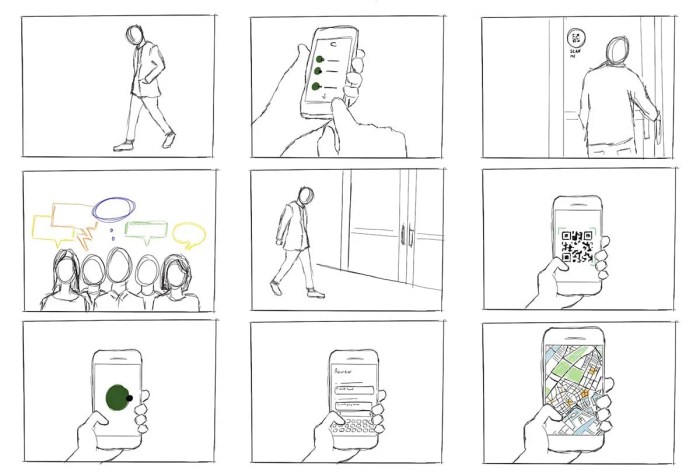
By examining these ten diverse storyboard examples, we’ve seen the versatility and power of this pre-production tool. From simple sketches to highly detailed illustrations, the key takeaway is the ability to effectively communicate a vision and plan for a project, regardless of its scale or medium. Mastering storyboard techniques empowers creators to translate their ideas into compelling narratives, ensuring a smooth and efficient production process.