Crafting a compelling storyboard requires more than just sketching scenes; it demands meticulous attention to visual and narrative consistency. Inconsistencies can disrupt the viewer’s experience, undermining the impact of your story. This guide offers ten practical tips to help you maintain a unified visual language and narrative flow throughout your storyboard, ensuring a cohesive and engaging final product.
From initial planning and pre-production stages to the crucial review and refinement process, we will explore effective strategies for establishing and maintaining consistency. We’ll cover essential techniques such as designing a comprehensive style guide, implementing a structured workflow, and leveraging collaborative feedback to polish your storyboard to perfection.
Planning & Pre-Production
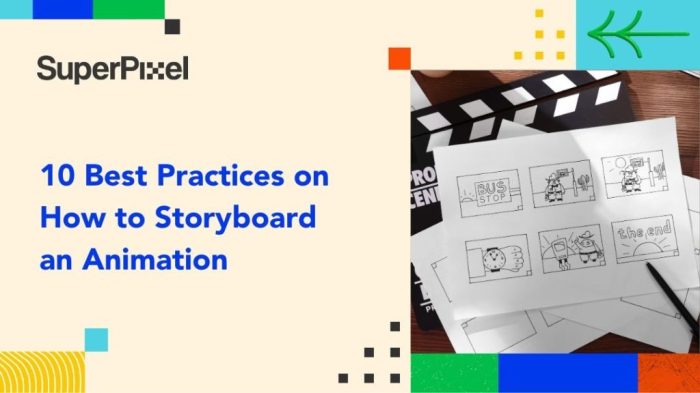
Consistent storyboarding hinges on meticulous planning and pre-production. A well-defined visual language and narrative structure are crucial for maintaining visual unity and storytelling coherence throughout your project. Failing to establish these fundamentals early can lead to inconsistencies and a disjointed final product.
Careful planning ensures your storyboard maintains a cohesive visual style and narrative flow, saving time and resources in the long run. This phase is about establishing a clear vision and translating that vision into a consistent visual language across all scenes.
Storyboard Template Design
A standardized storyboard template is essential for visual consistency. This template should dictate the size and layout of each panel, including spaces for sketches, notes, and dialogue. Using the same template for every scene ensures uniformity and makes the overall storyboard easier to read and understand. Consider including elements such as scene numbers, shot descriptions, and character and prop annotations in a consistent location within each panel. For example, a template could feature a consistent border around each panel, a designated area for the shot description in the bottom left corner, and a space for character notes in the top right corner. Maintaining this consistency allows for effortless navigation and a professional appearance.
Style Guide Creation
A comprehensive style guide acts as a visual bible for your project. This document should meticulously detail character designs, including their physical attributes, clothing, and expressions. It should also define setting styles, specifying architectural details, color schemes, and overall ambiance for each location. Furthermore, the style guide should Artikel a consistent color palette, specifying primary, secondary, and accent colors to maintain a unified visual tone. For example, a style guide might include detailed sketches of each character, specifying hair color, eye color, clothing styles, and even habitual postures. Similarly, it would provide detailed renderings of key locations, highlighting architectural elements and color schemes. This allows the storyboard artist to maintain consistency in the representation of characters and environments.
Shot List Development
A detailed shot list, outlining camera angles, movements, and transitions, ensures visual flow and consistency. This list should correspond directly to your storyboard, clarifying each shot’s purpose and its relationship to the surrounding scenes. The shot list should specify camera angles (e.g., high angle, low angle, eye level), camera movements (e.g., pan, tilt, zoom), and transitions (e.g., cut, fade, dissolve) to maintain visual continuity. For example, the shot list might specify “Scene 1, Shot 1: Wide shot, establishing shot of the forest, camera slowly pans right,” followed by “Scene 1, Shot 2: Medium shot, focusing on the main character, camera remains stationary.” This ensures the visual language remains cohesive and the story unfolds smoothly.
Narrative Structure Establishment
Before starting the storyboard process, a clear narrative structure must be established. This includes outlining the story’s beginning, middle, and end, defining key plot points, and establishing character arcs. A well-defined narrative structure ensures a consistent story arc, preventing inconsistencies or plot holes in the storyboard. This involves creating a detailed Artikel or script that clearly defines the story’s progression, character development, and thematic elements. This allows the storyboard artist to visualize the narrative flow and ensure visual consistency reflects the intended story arc. For example, a clear narrative structure would prevent a scene that suddenly shifts tone or introduces a character without proper introduction earlier in the story.
Workflow & Process

Maintaining visual consistency throughout your storyboard creation requires a structured workflow and a keen eye for detail. A well-defined process ensures that the overall aesthetic and narrative flow remain cohesive from the initial sketch to the final approved version. This section details a step-by-step approach, software considerations, and techniques for maintaining a unified look.
A systematic approach to storyboard creation is crucial for maintaining consistency. This involves breaking down the process into manageable stages, each contributing to the overall visual harmony. Regular reviews and revisions are vital for catching inconsistencies early, preventing costly rework later in the production pipeline.
Storyboard Creation: A Step-by-Step Process
This process emphasizes maintaining visual consistency across all panels. It’s designed to be adaptable to various project scales and styles.
- Planning and Pre-visualization: Before any drawing begins, define the overall visual style – color palette, character design, setting details, and camera angles. Creating mood boards and style guides are helpful at this stage. This ensures a unified visual language throughout the storyboard.
- Panel Layout and Composition: Sketch rough layouts to determine the panel arrangement and composition for each scene. Consider using consistent panel sizes and shapes where appropriate to create visual rhythm. Maintain consistent aspect ratios (e.g., widescreen, square) for a unified cinematic feel.
- Character and Setting Design: Create detailed character and setting designs. Maintain consistency in proportions, features, and clothing. For settings, establish a consistent level of detail and visual style. Reference sheets are invaluable for maintaining this consistency throughout the process.
- Panel Refinement and Detailing: Refine the initial sketches, adding details and ensuring visual consistency between panels. Pay close attention to lighting, shadowing, and perspective to create a cohesive visual narrative.
- Color and Texture: Apply color and texture consistently. Use a limited palette to maintain visual harmony. Maintain consistent shading techniques to ensure a unified look and feel. Consider using a color palette reference to aid in consistency.
- Review and Revision: Regularly review the storyboard for inconsistencies in character design, setting details, color palettes, and overall visual style. Address any discrepancies promptly. Feedback from collaborators is essential at this stage.
Storyboard Software Comparison
Different storyboard software offers varying features impacting visual consistency. Choosing the right tool can significantly streamline the process.
| Software | Strengths for Consistency | Weaknesses |
|---|---|---|
| StoryBoarder | Easy-to-use interface, pre-built templates, panel management features. | Limited advanced features for complex visual styles. |
| Photoshop | Powerful image manipulation, precise control over visuals, extensive layer management. | Steeper learning curve, can be time-consuming. |
| Storyboard Pro | Advanced features for animation and filmmaking, robust collaboration tools. | Higher price point, more complex interface. |
Utilizing Visual References
Employing visual references aids in maintaining a unified aesthetic throughout the storyboard. These references provide a visual anchor to ensure consistency in character design, setting style, and overall visual language.
For instance, a visual reference might be a detailed sketch of the main character, showing various poses and expressions, ensuring consistent representation across all panels. Another might be a painting of the primary setting, establishing a consistent color palette, lighting style, and level of detail for background elements. Finally, a mood board with images representing the desired atmosphere and visual style guides the artist in maintaining visual unity.
Review & Refinement

Maintaining visual and narrative consistency throughout your storyboard is crucial for a cohesive and engaging final product. A thorough review process, incorporating feedback and collaboration, ensures your vision translates effectively to animation. This stage allows for the identification and correction of inconsistencies before significant resources are invested in production.
Reviewing storyboards requires a systematic approach, ensuring all aspects of the visual narrative align. This involves examining not only the individual panels but also their relationship to the overall story arc. Collaboration with other team members is key to catching errors and maintaining a shared understanding of the project’s artistic direction.
Storyboard Review Checklist
A structured checklist facilitates a comprehensive review. This aids in identifying inconsistencies in visual style, character design, or narrative flow, ensuring a polished final product.
- Visual Style Consistency: Check for uniformity in art style, color palettes, line weights, and shading techniques across all panels. Are the backgrounds consistent? Do the character designs maintain their unique features throughout?
- Character Design Consistency: Verify that characters maintain consistent appearances, including clothing, hairstyles, and physical features. Note any discrepancies in expressions or poses that might contradict character personality or the narrative.
- Narrative Flow Consistency: Assess the logical progression of events. Are there any jumps in time or action that are unclear? Do the panels clearly depict the story’s progression, or are there confusing transitions?
- Camera Angles and Perspectives: Examine the consistency of camera angles and perspectives. Sudden shifts can disrupt the viewing experience. Are the angles appropriate for the scene and emotion?
- Dialogue and Action: Ensure the dialogue and actions depicted in the panels are consistent with the script and the overall narrative. Are there any inconsistencies between what is shown and what is written?
Collaborating for Consistency
Effective collaboration is paramount. Regular meetings and feedback sessions with directors, animators, and other stakeholders ensure everyone shares a unified understanding of the storyboard’s intent and visual style. This shared understanding minimizes misinterpretations and promotes a consistent final product.
Open communication channels are crucial. Utilize tools such as shared online platforms to facilitate easy access to the storyboard and to allow for collaborative annotation and feedback. Regular check-ins throughout the review process allow for early identification and resolution of inconsistencies.
Feedback System for Storyboard Improvement
Implementing a structured feedback system is essential for improving consistency. This should include clear guidelines for providing constructive criticism, focusing on specific areas for improvement rather than general comments. A collaborative approach ensures everyone feels comfortable contributing to the refinement process.
A useful system might involve:
- Designated Reviewers: Assign specific individuals to review particular aspects of the storyboard, leveraging their expertise.
- Online Annotation Tools: Utilize software that allows for direct annotation and commenting on the storyboard itself, making feedback more precise and actionable.
- Feedback Forms: Create standardized forms to collect feedback, ensuring all key areas are addressed consistently across reviews.
- Revision Tracking: Maintain a record of all revisions and feedback, allowing for easy tracking of progress and ensuring that all suggestions are addressed.
Examples of Common Inconsistencies and Their Corrections
Identifying and correcting inconsistencies early improves the overall quality. Here are some common issues and their solutions:
| Issue | Explanation | Solution | Example Description |
|---|---|---|---|
| Inconsistent Character Design | A character’s hair color or clothing changes between panels. | Review all panels featuring the character and ensure consistency. | A character’s shirt changes from blue to green between scenes, despite no narrative reason. The solution is to standardize the shirt color throughout. |
| Shifting Art Style | The style of drawing changes drastically between panels, perhaps due to different artists. | Establish a style guide and ensure all artists adhere to it. | One panel is drawn in a highly detailed realistic style, while the next is in a simple cartoon style. The solution is to maintain a consistent level of detail and style throughout. |
| Narrative Gaps | The story jumps unexpectedly from one scene to another without clear transition. | Add transitional panels to bridge the gap and clarify the narrative flow. | The story abruptly shifts from a character waking up to them being at work, with no indication of how they got there. Adding panels showing them getting ready and commuting would resolve this. |
| Inconsistent Backgrounds | The background elements change unexpectedly, distracting from the main action. | Maintain consistent background elements unless there is a narrative reason for the change. | The background changes from a forest to a desert between consecutive panels without any plot justification. The solution is to maintain a consistent forest setting. |
Last Word
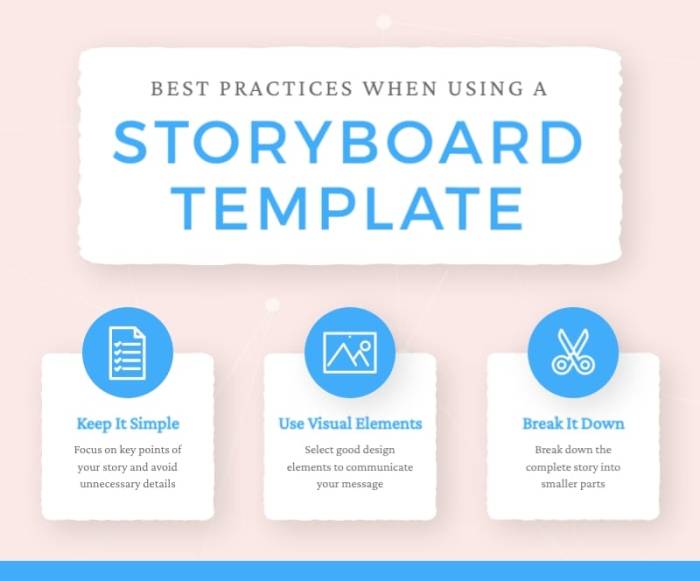
By diligently applying these ten tips, you can elevate your storyboard from a simple sequence of images to a powerful visual narrative tool. Maintaining consistency isn’t merely about aesthetics; it’s about ensuring your story is told clearly, effectively, and with maximum impact. Remember, a well-crafted storyboard is the foundation of a successful project, and consistent execution is key to its success.