Mastering the art of storyboarding often involves navigating the complexities of color. This guide delves into the surprisingly effective techniques of creating compelling visual narratives using limited color palettes. We’ll explore how to choose impactful palettes, strategically apply color to enhance key elements, and utilize advanced techniques to avoid monotony while maintaining visual interest. Discover how to leverage color to convey emotion, create depth, and tell a powerful story, even with a restricted color range.
From understanding the emotional impact of different color schemes to mastering techniques like manipulating line weight and texture, this guide provides a practical framework for creating professional-looking storyboards. Whether you’re a seasoned artist or just starting out, learn how to transform limitations into creative opportunities and elevate your storytelling through thoughtful color choices.
Choosing Your Limited Palette
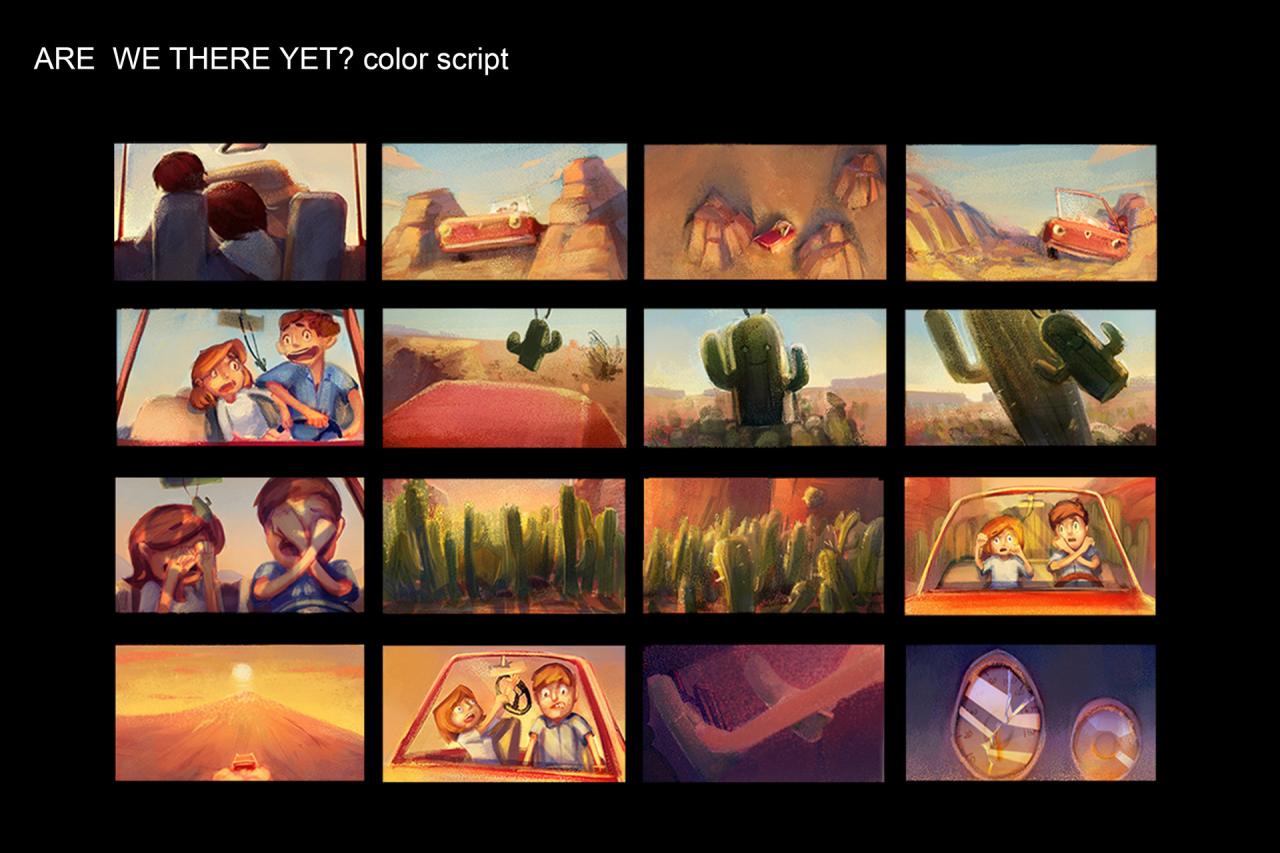
Selecting a limited color palette for your storyboard is crucial for maintaining visual consistency and conveying a specific mood. Restricting your color choices forces you to be more deliberate and impactful with your visuals, enhancing the storytelling experience. A well-chosen palette can subtly guide the viewer’s emotional response and reinforce the overall tone of your narrative.
Choosing a limited palette isn’t about restriction, but rather about focused expression. By carefully selecting a few key colors, you can create a cohesive and visually striking storyboard that effectively communicates your story. This approach simplifies the process, allows for quicker iterations, and ultimately leads to a more impactful final product.
Three Distinct Color Palettes for Storyboarding
Three distinct color palettes, each with a unique emotional impact and suitability for different genres, are presented below. These palettes offer a starting point for experimentation and can be adapted to suit various storytelling needs.
- Warm Palette (Energetic & Optimistic): This palette, using shades of oranges (#FFA500), yellows (#FFD700), and reds (#FF0000), evokes feelings of warmth, excitement, and energy. It’s ideal for genres like action, adventure, or comedies. The vibrant hues create a sense of dynamism and can be used to highlight important elements within the storyboard.
- Cool Palette (Calm & Reflective): Composed of blues (#0000FF), greens (#008000), and purples (#800080), this palette conveys a sense of calm, tranquility, and introspection. It suits genres like dramas, romances, or mysteries, creating a more subdued and contemplative atmosphere. The cooler tones allow for a more nuanced exploration of character emotions.
- Muted Palette (Subdued & Mysterious): This palette uses desaturated colors like muted greens (#808000), browns (#A0522D), and greys (#808080). It evokes a sense of mystery, nostalgia, or even melancholy. This palette is suitable for genres like thrillers, historical dramas, or fantasy stories where a sense of ambiguity or underlying tension is desired.
Creating Harmonious Three-Color Palettes
Creating a harmonious palette with just three colors requires understanding color theory. One effective method is to use analogous colors (colors next to each other on the color wheel), complementary colors (colors opposite each other), or a split complementary scheme (one color and the two colors adjacent to its complement). For example:
- Analogous: A harmonious palette could be created using a light teal (#008080), a medium teal (#006464), and a dark teal (#004040). These shades create a soothing and consistent visual feel.
- Complementary: A vibrant palette could use a deep orange (#FF6347), its complement, a deep blue (#00008B), and a neutral grey (#808080) to balance the intensity.
- Split Complementary: A more complex but effective option is using a yellow-green (#9ACD32), and its two adjacent complements, a reddish-purple (#800080) and a blue-violet (#8A2BE2).
Monochromatic Storyboard Scene
A monochromatic palette, using various shades of a single color, can create a powerful and focused visual effect. Here’s a scene using shades of grey:
- Scene Description: A lone figure stands silhouetted against a stormy cityscape at night. The scene is bleak and atmospheric, emphasizing the character’s isolation and the oppressive mood.
- Color Palette: Different shades of grey are used: #F0F0F0 (light grey for the background sky), #A9A9A9 (medium grey for the buildings), #808080 (dark grey for the figure and foreground), and #404040 (very dark grey for the shadows and deepest parts of the city).
- Mood and Visual Interest: The monochromatic palette creates a somber and dramatic atmosphere. The varying shades of grey provide enough contrast to create visual interest, allowing the viewer to focus on the character’s posture and the overall mood of the scene without being distracted by a multitude of colors. The darkness enhances the sense of mystery and foreboding.
Applying Your Palette Effectively
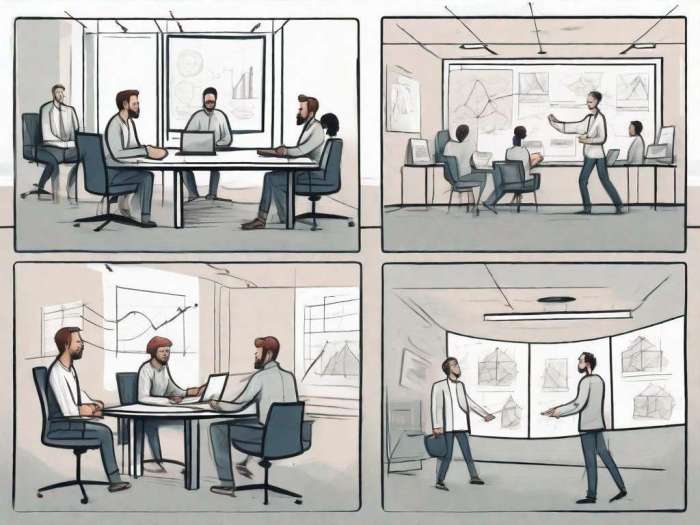
Effective application of a limited color palette in storyboarding hinges on understanding color theory and employing strategic choices to enhance storytelling. Careful consideration of color relationships and their impact on mood, emphasis, and visual hierarchy is crucial for creating a cohesive and impactful storyboard. This section will explore techniques for maximizing the impact of a limited palette.
Analogous and complementary color schemes offer distinct approaches to color harmony within a limited palette. Analogous schemes utilize colors adjacent to each other on the color wheel, creating a sense of unity and calmness. For example, imagine a storyboard depicting a serene forest scene. An analogous palette might use shades of green, blue-green, and yellow-green, creating a harmonious and natural feel. In contrast, complementary color schemes use colors opposite each other on the color wheel, generating higher contrast and visual excitement. A storyboard depicting a dramatic confrontation might employ a complementary scheme of red and green, using the red to highlight the intensity of the conflict and the green for a contrasting background element.
Color Emphasis and Character Highlight
Color can effectively draw attention to key elements or characters within a storyboard. By using a brighter or more saturated version of a color within the limited palette, a specific element can be emphasized. For example, imagine a scene with a group of people in a neutral grey background, where only one character is wearing a vibrant red shirt. The red immediately highlights that character, signifying their importance within the scene. This selective use of a brighter color within an otherwise muted palette instantly draws the viewer’s eye to the focal point, making the storyboard more engaging and easier to follow.
Creating Depth and Perspective with Color
Color can be used to create a sense of depth and perspective, even within a limited palette. This is achieved by strategically varying the saturation and value of colors. For example, imagine a storyboard depicting a city street. The buildings in the foreground could be rendered in slightly more saturated colors, while the buildings in the background use desaturated versions of the same colors. Similarly, using darker shades of a color in the background and lighter shades in the foreground can also create a sense of depth. This manipulation of color intensity and value without introducing new colors allows for a convincing sense of three-dimensionality, even within a restricted palette.
Advanced Techniques and Considerations
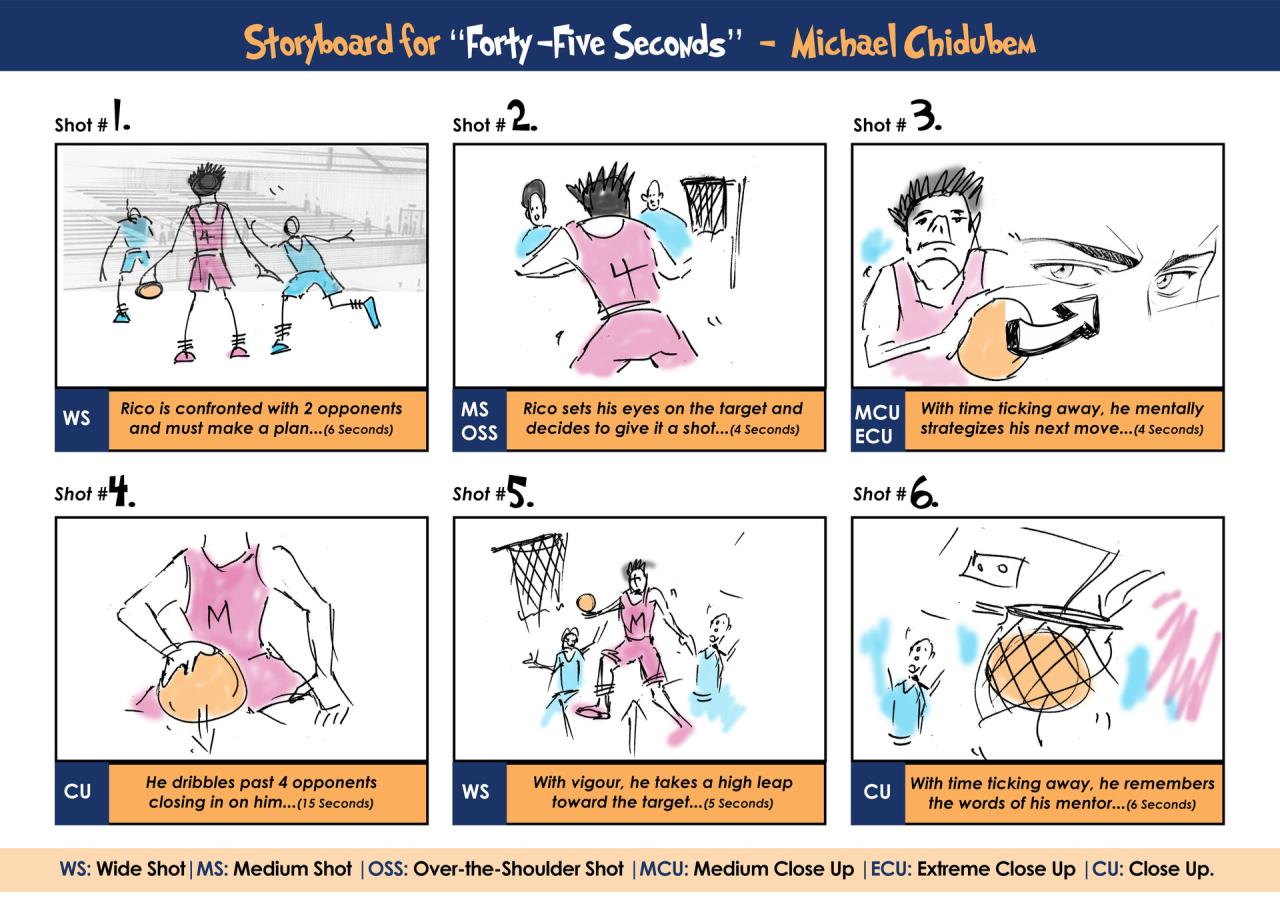
Working with a limited palette doesn’t mean sacrificing visual richness. By strategically employing advanced techniques, you can create compelling storyboards that are both aesthetically pleasing and effective in conveying your narrative. Understanding how to manipulate line weight, texture, and symbolic color will elevate your work beyond simple color blocking.
Utilizing contrast and variation within a limited palette is key to preventing monotony. This goes beyond simply varying the shades of your chosen colors. Consider the interplay between light and shadow, using darker tones to suggest depth and lighter tones to highlight key elements. The strategic use of white space can also act as a powerful tool, allowing the eye to rest and preventing visual overload, even with limited color options.
Line Weight and Texture Enhancements
Line weight and texture provide additional layers of visual interest when working within a restricted color scheme. Varying the thickness of your lines can emphasize certain actions or characters, guiding the viewer’s eye across the panel. Thicker lines can convey weight, strength, or importance, while thinner lines might suggest fragility or delicacy. Texture, even suggested through line work, can add depth and complexity. For example, short, rapid strokes can create a sense of roughness or movement, while long, smooth lines can suggest calm or serenity. Imagine a scene depicting a stormy sea: using thick, jagged lines for the waves and thin, wispy lines for the rain could powerfully convey the scene’s intensity despite the limited color palette.
Symbolic Color Usage
Symbolic color plays a crucial role in enriching a limited palette storyboard. The meaning associated with colors can be universally understood or culturally specific, offering an additional layer of communication beyond the visual narrative. For example, consider a storyboard panel depicting a character standing at a crossroads. The character is drawn with a neutral palette of grays and browns, representing their indecision. However, the path leading to the left is rendered in a vibrant, hopeful blue, symbolizing a future of optimism and new beginnings, while the path to the right is depicted in a deep, ominous red, representing a potential path filled with danger and uncertainty. This symbolic use of color immediately conveys the character’s internal conflict and the stakes of their choice without needing explicit dialogue or detailed backgrounds. This enhances the storytelling impact while maintaining the integrity of the limited color palette.
Last Word
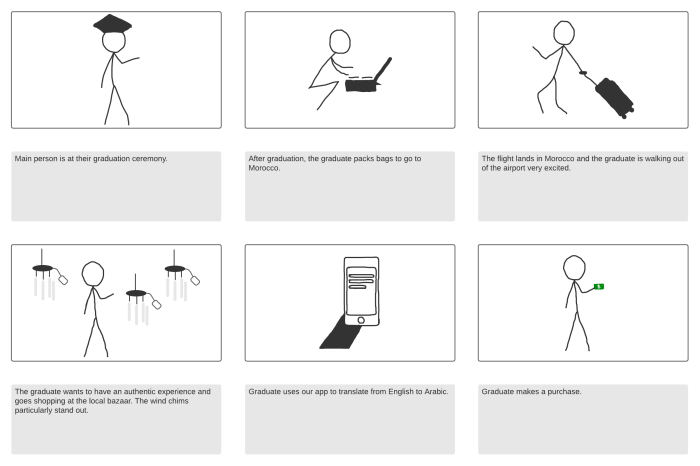
By understanding the principles of color theory and applying practical techniques, creating engaging storyboards with limited palettes becomes an accessible and rewarding process. This guide has shown how strategic color choices, combined with attention to line weight, texture, and symbolic representation, can significantly enhance your storytelling. Remember, limitations can foster creativity, allowing you to focus on the core elements of your narrative and communicate effectively through visual language. Embrace the challenge and unlock the expressive potential of a limited palette.