Storyboarding is a powerful tool for visualizing narratives, and the strategic use of visual metaphors elevates it to an art form. This guide delves into six key techniques for crafting compelling visual metaphors within your storyboards, transforming simple images into emotionally resonant and memorable scenes. We’ll explore different types of metaphors, strategies for maximizing their impact, and how to tailor their application to diverse storytelling genres.
From understanding the nuances of abstract versus concrete metaphors to mastering the art of conveying complex emotions through shape and color alone, this exploration will equip you with the skills to create storyboards that resonate deeply with your audience. We’ll examine how context and symbolism are paramount, and how a well-placed visual metaphor can enhance emotional impact and audience engagement far beyond the literal narrative.
Understanding Visual Metaphors in Storyboarding
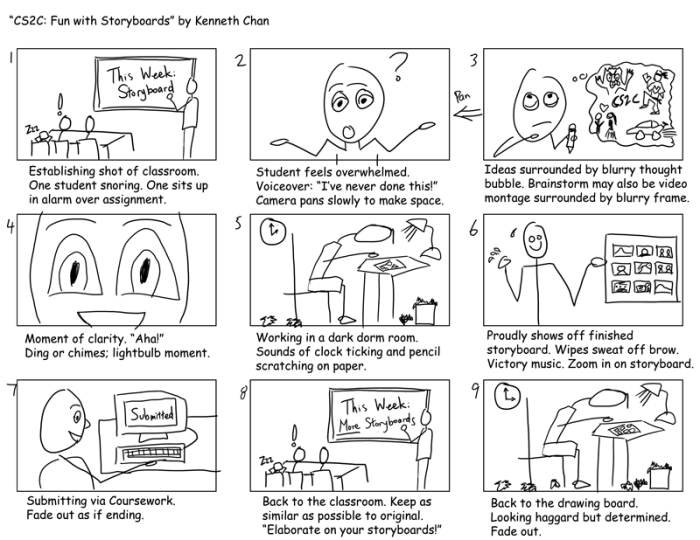
Visual metaphors are powerful tools in storyboarding, allowing for concise and impactful communication of complex ideas and emotions. They transcend literal representation, conveying deeper meaning through symbolic imagery, enhancing audience engagement and leaving a lasting impression. By carefully selecting and employing visual metaphors, storyboard artists can elevate their work from simple scene descriptions to evocative narratives.
Visual metaphors enhance emotional impact and audience engagement by bypassing the need for lengthy explanations. A well-chosen image can instantly communicate a feeling or concept, creating a more immediate and visceral connection with the viewer. This direct emotional appeal strengthens the story’s impact and makes it more memorable. Furthermore, visual metaphors often spark curiosity and encourage viewers to actively participate in interpreting the meaning, leading to a richer and more rewarding viewing experience.
Types of Visual Metaphors in Storyboarding
Three distinct types of visual metaphors frequently appear in storyboarding: allegory, symbolism, and metonymy. Allegory uses an extended metaphor, where the entire narrative acts as a representation of a larger idea or concept. Symbolism employs objects, characters, or settings to represent abstract ideas or emotions. Metonymy uses a closely associated object or concept to stand in for the actual thing.
- Allegory: A classic example is George Orwell’s Animal Farm, where the animal characters represent different political figures and ideologies. In a storyboard, this could be depicted through a series of panels showing animals acting out human political conflicts, clearly symbolizing a larger societal struggle.
- Symbolism: A wilting flower might symbolize loss or decay. In a storyboard panel showing a character experiencing heartbreak, a wilting flower placed prominently in the foreground could effectively communicate the character’s emotional state without explicitly stating it.
- Metonymy: Using a crown to represent royalty is a common example. In a storyboard, a single, gleaming crown placed on a dark background could visually represent absolute power or oppressive authority.
Storyboard Panel: Overwhelmed
The panel depicts a single, central figure composed of numerous small, overlapping circles. These circles are various shades of deep blues and purples, creating a sense of density and confinement. The circles are slightly irregular, implying a chaotic and uncontrolled state. The background is a stark, off-white color, providing a stark contrast to the dense, colored figure. The use of circles represents the multitude of pressures and tasks weighing down the individual, while the dark, overlapping colors symbolize the overwhelming nature of these pressures. The irregular shapes and variations in color further amplify the feeling of chaos and disarray. The off-white background highlights the isolation and vulnerability of the overwhelmed figure.
Crafting Compelling Visual Metaphors
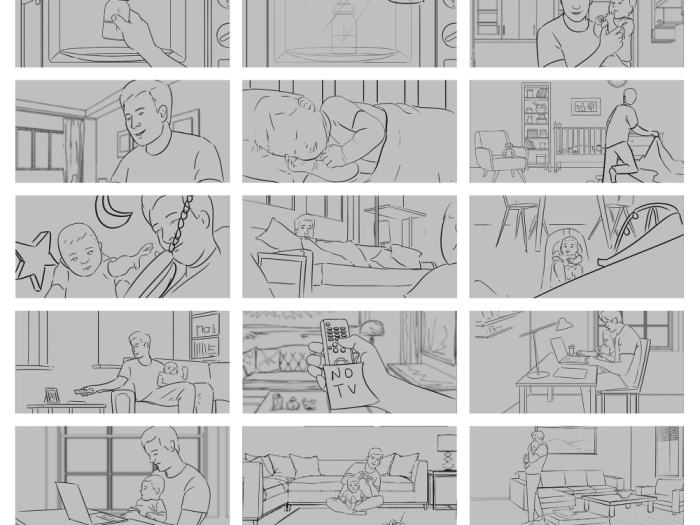
Effective visual metaphors in storyboarding are crucial for conveying complex ideas and emotions concisely and memorably. They transcend literal representation, allowing the audience to grasp abstract concepts through instantly understandable visual cues. This section will delve into the techniques and strategies for crafting such compelling metaphors.
Abstract versus Concrete Visual Metaphors
The choice between abstract and concrete visual metaphors significantly impacts a storyboard’s effectiveness. Concrete metaphors utilize tangible objects or scenarios to represent abstract ideas, offering immediate clarity. For example, a wilting flower could concretely represent loss or despair. Conversely, abstract metaphors rely on symbolic imagery and less literal representations, demanding more interpretation from the viewer. A swirling vortex of dark colors might abstractly represent chaos or uncertainty. While concrete metaphors offer immediate understanding, abstract metaphors can evoke a stronger emotional response and allow for more nuanced interpretations, depending on the audience’s individual experiences and cultural background. The effectiveness hinges on the context and the desired level of audience engagement.
Context and Symbolism in Visual Metaphors
Context and symbolism are inextricably linked to the impact of a visual metaphor. The meaning of a symbol is not inherent; it’s derived from its cultural context and the narrative surrounding it. A single image, like a bird in flight, can symbolize freedom in one context, but escape or loneliness in another. Therefore, careful consideration of the surrounding imagery and narrative is paramount. The storyboard must provide sufficient visual and narrative cues to guide the audience towards the intended interpretation of the metaphor. Subtle shifts in color palette, lighting, and character expressions can significantly influence the overall meaning and emotional resonance of the metaphor. For instance, a single red rose in a desolate landscape might evoke a feeling of enduring hope, whereas the same rose in a vibrant garden would convey a different meaning altogether.
Storyboard Panels: Hope Evolving from Despair
The following storyboard panels illustrate the progression of a visual metaphor representing hope evolving from despair. The metaphor uses the imagery of a caged bird.
| Panel 1: Despair | A small, dull-colored bird sits huddled in a dark, rusty cage. The cage is positioned in a shadowy corner, and the background is a monotone grey. The bird’s feathers are ruffled, and its head is bowed. This panel visually represents the feeling of hopelessness and confinement. |
| Panel 2: Glimmers of Hope | The cage is still present, but a single ray of sunlight pierces through the bars, illuminating the bird. The bird’s head is slightly raised, and its eyes are now visible, suggesting a hint of awareness. The color palette shifts slightly, with warmer tones appearing in the background. This panel suggests a breakthrough in the darkness. |
| Panel 3: Hope Triumphant | The bird is perched on a branch outside the cage, its wings slightly spread. The cage is still visible but now appears smaller and less significant. The background is bright and vibrant, with a clear blue sky. The bird is brightly colored and appears healthy and free. This panel visually communicates the triumph of hope over despair. |
Applying Visual Metaphors to Different Story Genres
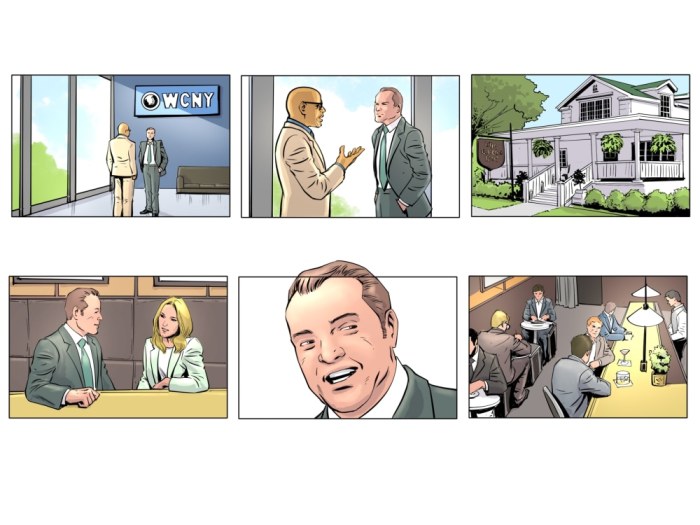
Visual metaphors are powerful tools for enhancing storytelling across various genres. Their effectiveness lies in their ability to convey complex ideas and emotions quickly and memorably, bypassing lengthy exposition and enhancing the audience’s engagement with the narrative. The successful application of visual metaphors hinges on understanding the unique stylistic and thematic elements of each genre and adapting the metaphor accordingly.
Science Fiction Visual Metaphor Approaches
Science fiction often deals with vast concepts – technological advancements, societal upheaval, and the exploration of the unknown. Visual metaphors in this genre can effectively convey these themes through three key approaches: abstract symbolism, technological representation, and environmental storytelling. Abstract symbolism might use swirling nebulae to represent the complexity of the human mind or a fractured cityscape to represent a society on the brink of collapse. Technological representation could depict a character’s internal struggle through the malfunctioning of their cybernetic implant, visually mirroring their emotional turmoil. Environmental storytelling might use a desolate, alien landscape to symbolize the psychological isolation of a lone astronaut, visually echoing their internal state. These approaches are effective because they leverage the inherent fantastical elements of science fiction to create visually striking and thematically resonant metaphors.
Romantic Comedy Versus Horror Visual Metaphors
The use of visual metaphors significantly differs between romantic comedies and horror films. Romantic comedies often employ lighthearted and playful metaphors to represent burgeoning romance or comedic situations. For example, a blossoming flower could symbolize a growing relationship, while a chaotic kitchen scene could metaphorically represent the couple’s initial awkward interactions. In contrast, horror films utilize visual metaphors to evoke fear, suspense, and dread. A shadowy figure lurking in the background might represent an unseen threat, while a distorted reflection could symbolize a character’s descent into madness. The contrast lies in the emotional tone and intended audience response: romantic comedies aim for lighthearted amusement, while horror seeks to elicit visceral reactions.
Visual Metaphors Representing Inner Conflict
Inner conflict is a universal theme, and effectively portraying it visually is crucial for compelling storytelling. Five visual metaphors that can represent this are:
- A Divided Self: Depict the character as two distinct figures, perhaps one light and one dark, pulling in opposite directions. This visualizes the internal struggle between conflicting desires or personalities.
- A Crumbling Structure: Show a physical structure, like a house or a bridge, crumbling and falling apart, mirroring the disintegration of the character’s mental stability under pressure.
- A Tightrope Walk: Illustrate the character precariously balancing on a tightrope, highlighting the precariousness of their situation and the constant struggle to maintain equilibrium.
- A Knotted Rope: A tangled, knotted rope can symbolize the character’s complex and interwoven internal conflicts, with each knot representing a different challenge or issue.
- Overgrown Vines: Show vines, representing negative thoughts or emotions, overwhelming and choking the life out of a delicate plant or flower, symbolizing the character’s inner turmoil slowly consuming them.
Summary

Mastering the art of visual metaphors in storyboarding is a journey of creative exploration and strategic application. By understanding the different types of metaphors, employing effective techniques, and adapting your approach to suit the specific genre, you can create storyboards that are not just visually appealing but emotionally powerful and deeply engaging. This guide has provided a foundation for this creative process; now, it’s time to experiment, innovate, and bring your visual storytelling to life.