Visual storytelling is paramount in many creative fields, and storyboards are the crucial first step. This exploration delves into seven prominent online storyboard platforms, examining their unique features, pricing structures, and user interfaces. We’ll analyze how these tools empower creators to bring their visions to life, focusing on both their practical applications and the inspirational design elements they offer.
From innovative features like collaborative tools and diverse template options to the impact of visual style on narrative effectiveness, this guide provides a comprehensive overview. We’ll examine both the strengths and weaknesses of each platform, assisting you in selecting the ideal tool for your individual needs and project requirements. Whether you’re a seasoned professional or a budding storyteller, this resource will provide valuable insights and inspiration.
Top 7 Storyboard Websites
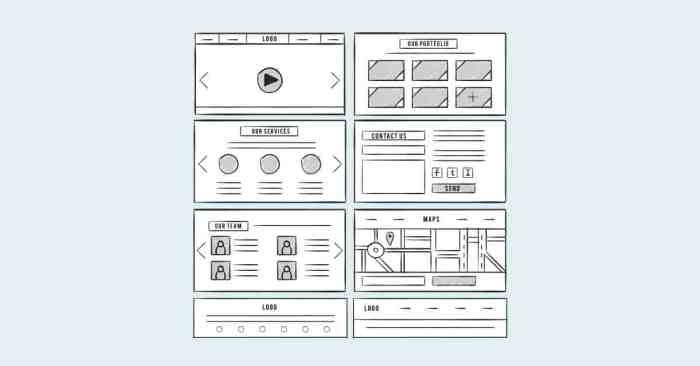
Choosing the right storyboard software can significantly impact your workflow and the final quality of your project. This overview compares seven popular platforms, considering their features, pricing, user experience, and overall value. The aim is to provide a clear picture to help you make an informed decision based on your specific needs and budget.
Top 7 Storyboard Websites: A Comparative Overview
A thorough comparison of seven leading storyboard websites reveals distinct strengths and weaknesses across features, pricing, and user interface. This table summarizes key aspects for quick reference. Note that pricing and user ratings can fluctuate, so it’s recommended to check the individual websites for the most up-to-date information.
| Website Name | Key Features | Pricing | User Rating (Example – Average from multiple sources) |
|---|---|---|---|
| Storyboarder | Free, open-source, simple interface, focuses on drawing and layout | Free | 4.5 stars |
| Celtx | Comprehensive, includes scriptwriting, scheduling, and collaboration tools; strong for film and video | Free plan available, paid plans for advanced features | 4.2 stars |
| PowerPoint (Microsoft) | Widely accessible, familiar interface, suitable for basic storyboarding | Subscription-based (Microsoft 365) | 4 stars |
| Google Slides | Collaborative, cloud-based, accessible across devices, good for simple storyboards | Free (with Google account) | 4 stars |
| Storyboard That | User-friendly interface, large library of templates and assets, ideal for education and quick projects | Subscription-based, various plans available | 4.0 stars |
| Adobe Photoshop | Powerful image editing capabilities, allows for highly detailed and customized storyboards | Subscription-based (Adobe Creative Cloud) | 4.7 stars |
| FrameForge | Advanced 3D animation capabilities, suitable for pre-visualization and complex storyboarding | Subscription-based, various plans available | 4.3 stars |
Ease of Use: A Visual Comparison
Imagine a bar graph. Each bar represents a website, its height corresponding to its perceived ease of use. Storyboarder and Storyboard That would have taller bars, indicating simpler interfaces. PowerPoint and Google Slides would also have relatively tall bars due to their widespread familiarity. Celtx, Adobe Photoshop, and FrameForge would have shorter bars, reflecting more complex interfaces requiring a steeper learning curve. The color of the bars could correspond to the software’s overall aesthetic – for example, Storyboarder’s bar might be a muted green reflecting its minimalist design, while Photoshop’s bar could be a vibrant blue, indicating its feature-rich interface. This visual representation effectively communicates the relative ease of use based on user experience and complexity.
Pros and Cons of Each Website
Each website offers a unique set of advantages and disadvantages. For example, Storyboarder excels in its simplicity and open-source nature, but lacks advanced features. Conversely, FrameForge offers sophisticated 3D capabilities but demands a higher level of technical expertise. Celtx’s comprehensive suite of tools is a significant advantage, but its learning curve can be challenging for beginners. PowerPoint and Google Slides benefit from widespread familiarity, but their storyboarding capabilities are relatively basic compared to specialized software. Storyboard That provides a vast library of assets, but its subscription model might be a drawback for some users. Adobe Photoshop offers unmatched control and customization but requires significant prior experience with image editing. This nuanced comparison highlights the trade-offs involved in selecting a storyboard website.
Storyboard Website Features and Functionality
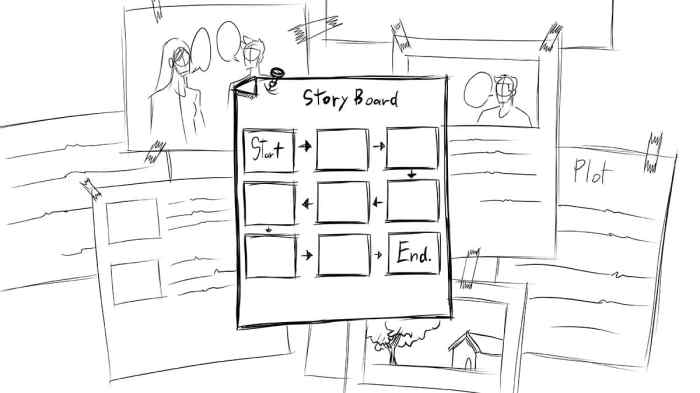
Storyboard websites offer a range of features designed to streamline the creation and collaboration on storyboards. These features extend beyond basic drawing tools, incorporating innovative functionalities that enhance the storytelling process and facilitate teamwork. The availability and sophistication of these features vary across different platforms, influencing their overall usability and appeal to different users and project needs.
The functionality of these websites significantly impacts the efficiency and effectiveness of storyboard creation. Advanced features can transform a potentially tedious process into a streamlined and creative experience. Conversely, a lack of key features can hinder the workflow and limit the possibilities for visual storytelling.
Storyboard Templates and Their Versatility
Many storyboard websites provide a variety of pre-designed templates. These templates range from simple, grid-based layouts suitable for quick sketches to more complex templates with specific scene breakdowns, character descriptions, and dialogue boxes. The versatility of these templates is significant; a simple grid might be perfect for a rapid brainstorming session, while a more detailed template is better suited for a complex film project requiring meticulous planning. For example, a website might offer templates specifically designed for animation, live-action films, commercials, or even video games, each tailored to the unique requirements of the respective medium. The ability to choose a template that aligns with the project’s scope and complexity allows for a more efficient and focused approach to the storytelling process. Users can also often customize these templates, adjusting the layout, adding or removing elements to perfectly match their creative vision.
Innovative Storyboard Features
Several websites incorporate innovative features that enhance the storyboard creation process. One example is the ability to import and integrate assets directly into the storyboard. This might involve uploading photographs, illustrations, or even 3D models to create a more visually rich and realistic representation of the final product. Imagine a filmmaker importing a concept art piece of a futuristic cityscape into their storyboard to accurately visualize a scene set in that environment. This drastically improves the visualization and allows for more precise communication of the intended visual style. Another example is the integration of AI-powered tools, such as those that can automatically generate background scenes or suggest character poses based on text prompts. This can accelerate the process significantly, especially for projects with tight deadlines. Finally, some websites offer features that allow for the easy creation of animatics – rough animated versions of the storyboard – which provides a more dynamic preview of the final product and allows for easier feedback and refinement.
Collaborative Features and Their Effectiveness
Effective collaboration is crucial in many storytelling projects. Many storyboard websites facilitate collaboration through features such as real-time co-editing, comment sections, and version history. Real-time co-editing allows multiple users to work on the same storyboard simultaneously, streamlining the feedback and revision process. Comment sections allow for specific feedback to be attached to individual panels or sections, providing more targeted and constructive criticism. The version history feature allows users to track changes, revert to previous versions if needed, and maintain a clear record of the storyboard’s evolution.
For instance, consider a team of three working on a short animated film. The director uses the website to create the initial storyboard. The animator can then access the storyboard, provide feedback in the comment section, and even directly edit certain panels to incorporate their suggestions. Meanwhile, the writer can add dialogue notes to specific scenes. The version history ensures everyone can see the evolution of the storyboard, understand the changes, and maintain a unified vision for the project. This eliminates the need for cumbersome email chains or file transfers, fostering a more efficient and cohesive workflow.
Storyboard Design Inspiration and Best Practices
Effective storyboard design is crucial for successful filmmaking, animation, and even interactive design. A well-crafted storyboard not only visually communicates the narrative but also serves as a blueprint for the entire production process, guiding the director, cinematographer, actors, and animators. Analyzing successful storyboards from various sources reveals key design principles and best practices that can elevate your own work.
Storyboards found on websites specializing in visual storytelling offer a wealth of examples showcasing diverse styles and techniques. By studying these examples, we can identify recurring patterns and develop a stronger understanding of what makes a storyboard effective. These examples, coupled with a discussion of visual styles and a step-by-step guide, provide a practical framework for creating compelling storyboards.
Examples of Effective Storyboard Designs
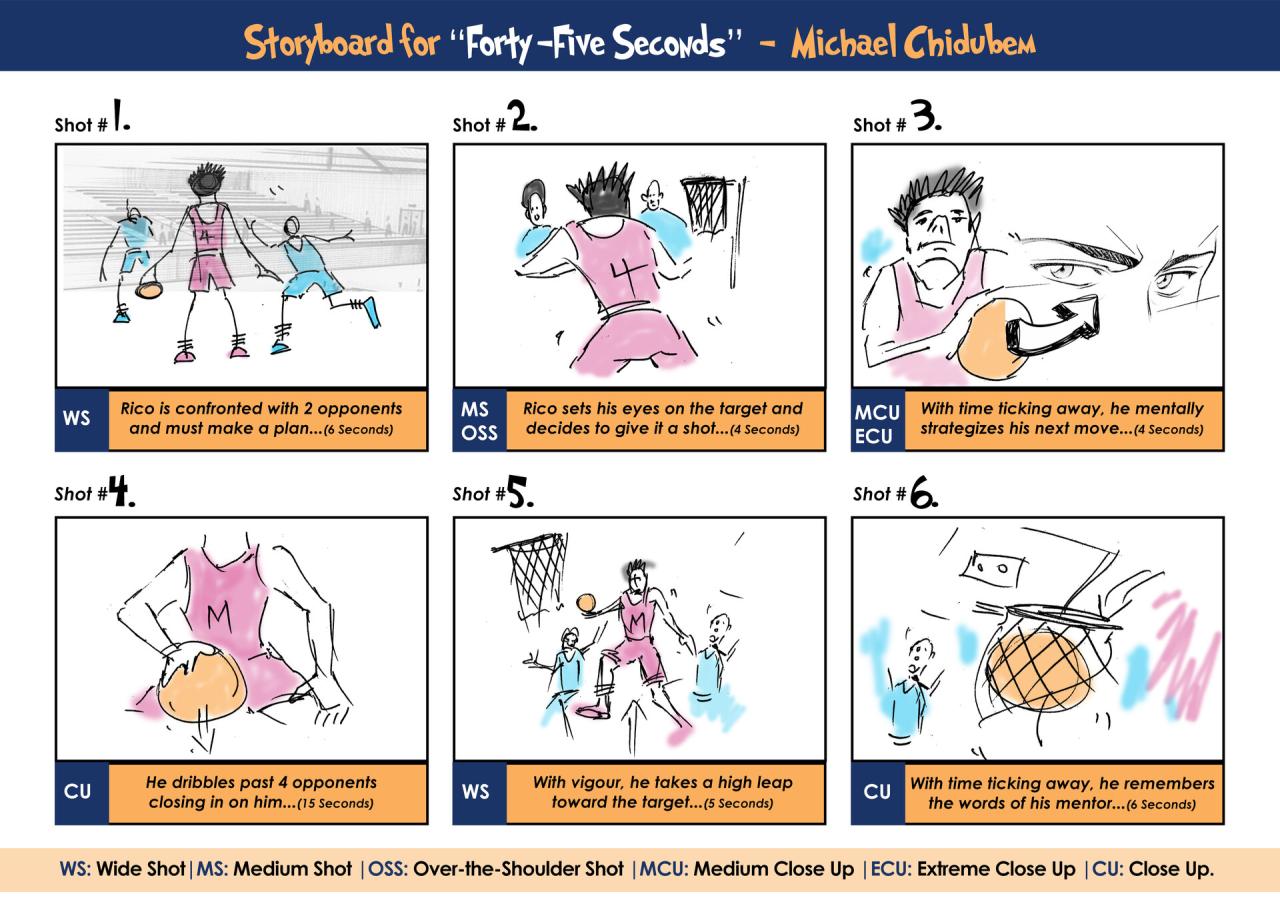
Examining storyboards from various websites reveals common design principles. Effective storyboards often prioritize clarity, consistency, and visual storytelling. They use a combination of visuals and concise annotations to effectively communicate the scene’s action, dialogue, and mood. The level of detail varies depending on the project’s needs; some may be highly detailed, while others opt for a more minimalist approach.
- Example 1 (Hypothetical Example from a Website Focused on Film Storyboarding): A storyboard panel depicting a tense confrontation between two characters in a dimly lit alley. The characters are sketched in a realistic style, with detailed expressions and body language conveying their emotions. The background is sketched with enough detail to set the scene without overwhelming the focus on the characters. Annotations clearly indicate dialogue and sound effects, adding another layer of information.
- Example 2 (Hypothetical Example from a Website Specializing in Animation Storyboarding): A storyboard panel showcasing a whimsical animated sequence. The characters are drawn in a stylized, cartoonish manner, with vibrant colors and exaggerated features. The background is simpler, focusing on key elements that support the action. Annotations concisely describe the animation style and camera movement.
- Example 3 (Hypothetical Example from a Website Featuring Interactive Design Storyboards): A storyboard panel illustrating a user interface interaction. The panel depicts a screen capture of the interface with annotations indicating user actions and corresponding system responses. The style is clean and functional, prioritizing clarity and ease of understanding.
The Impact of Different Visual Styles on Storytelling
The visual style chosen for a storyboard significantly impacts the overall tone and feel of the final product. A realistic style can create a sense of realism and groundedness, while a stylized approach can enhance creativity and visual appeal. Abstract styles can evoke emotions and ideas beyond literal representation. The choice of style should align with the project’s overall aesthetic and narrative goals.
For instance, a gritty crime thriller might benefit from a realistic, dark, and detailed style, while a lighthearted children’s animation would be better suited to a vibrant, cartoonish style. Similarly, a science fiction film might employ a futuristic, sleek, and minimalist style. The website examples demonstrate this diversity; each website tends to showcase storyboards reflecting the visual styles prevalent in the media it focuses on.
Creating a Compelling Storyboard: A Step-by-Step Guide
Crafting a compelling storyboard involves a structured approach. This process ensures consistency and clarity throughout the storytelling process.
- Understand the Narrative: Begin by thoroughly understanding the story’s plot, characters, and themes. Identify key moments and emotional beats that need to be visually represented.
- Develop a Script or Artikel: Create a detailed script or Artikel that breaks down the story into individual scenes and sequences. This provides a solid foundation for the storyboard.
- Sketch Thumbnails: Start with rough sketches (thumbnails) to quickly visualize the composition and layout of each panel. Focus on the key action and visual elements.
- Refine the Sketches: Once the thumbnails are approved, refine the sketches, adding more detail to the characters, setting, and action. Maintain consistency in style and perspective.
- Add Annotations: Include concise annotations to clarify dialogue, sound effects, camera angles, and other relevant information. Keep annotations clear and concise.
- Review and Revise: Review the completed storyboard to ensure clarity, consistency, and effectiveness. Make revisions as needed to improve the storytelling.
Closure

Ultimately, the best storyboard website depends on individual preferences and project demands. This exploration of seven leading platforms has highlighted the diverse range of features and functionalities available, from intuitive interfaces and collaborative tools to a wealth of design inspiration. By carefully considering the strengths and weaknesses of each option, creators can select the platform that best supports their creative vision and workflow, ensuring a streamlined and effective storytelling process.