Crafting a compelling storyboard is a collaborative process. Securing insightful feedback is crucial for refining your visual narrative and ensuring it resonates with your intended audience. This guide explores eight effective methods for gathering constructive criticism, from leveraging peer reviews and online communities to directly engaging your target demographic. Learn how to effectively solicit and analyze feedback to transform your storyboard from a draft into a polished, impactful visual masterpiece.
We’ll delve into practical strategies for gathering feedback, focusing on techniques to maximize the value of each interaction. From structured surveys to informal presentations, we’ll cover the nuances of each approach and provide actionable steps to implement them successfully. By the end, you’ll possess a comprehensive toolkit for refining your storyboard and achieving your storytelling goals.
Gathering Feedback from Peers and Mentors
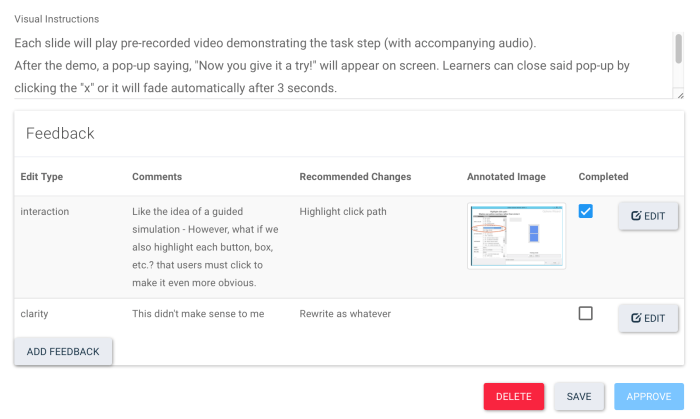
Seeking feedback from peers and mentors is crucial for refining your storyboard. A diverse range of perspectives can illuminate strengths and weaknesses you might overlook, leading to a more impactful and polished final product. Constructive criticism helps identify areas needing improvement in clarity, pacing, and overall visual storytelling.
Designing a Feedback Survey for Storyboard Review
A well-structured survey can efficiently gather valuable feedback on your storyboard. The survey should focus on key aspects like clarity, pacing, and visual storytelling. Consider including questions assessing the overall understanding of the narrative, the effectiveness of visual cues in conveying emotion and plot points, and the perceived pacing of the story. For example, questions could include: “How clear was the narrative progression?”, “Did the visuals effectively communicate the emotions of the characters?”, and “Did the pacing feel appropriate throughout the storyboard?”. Using a Likert scale (e.g., strongly agree to strongly disagree) allows for quantitative analysis of responses, while open-ended questions provide qualitative insights.
Comparing Peer and Mentor Feedback
Feedback from peers often centers on immediate understanding and relatability. Peers may highlight aspects that resonate with their own experiences and perspectives, offering insights into the storyboard’s accessibility and emotional impact on a target audience. Conversely, mentor feedback often provides a more strategic and technically-focused perspective. Mentors, with their experience, can offer guidance on narrative structure, visual composition, and industry-standard best practices. Areas of agreement between peer and mentor feedback reinforce the storyboard’s strengths, while disagreements may indicate areas needing further refinement, often highlighting the need to balance audience appeal with technical proficiency. For example, peers might praise the emotional impact of a scene, while a mentor might suggest improvements to the visual composition for better clarity.
Mentor Feedback versus Peer Feedback
Mentor feedback is typically more critical and focuses on technical aspects and industry standards. Mentors possess a broader understanding of storytelling principles and can offer valuable insights into areas that might be overlooked by peers. For instance, a mentor might point out inconsistencies in character design or suggest improvements to the overall visual language. Peer feedback, on the other hand, offers a more audience-centric perspective. Peers can provide insights into the clarity and emotional impact of the storyboard, identifying areas where the story might be confusing or emotionally ineffective for a target audience. This difference in perspective is valuable, as it allows for a holistic assessment of the storyboard’s strengths and weaknesses. The integration of both perspectives allows for a balanced approach to revisions, ensuring both technical proficiency and audience engagement.
Comparison of Feedback Methods
| Method | Pros | Cons | Example Feedback |
|---|---|---|---|
| Peer Review | Provides audience perspective, identifies relatable aspects, encourages collaborative learning. | May lack technical expertise, feedback can be subjective and inconsistent. | “The scene with the dog was really heartwarming!” |
| Mentor Feedback | Offers expert guidance, focuses on technical aspects and industry standards, provides constructive criticism. | Can be intimidating, may not always align with audience preferences. | “The perspective in panel 3 is awkward; consider adjusting the camera angle.” |
| Online Forums | Access to a wide range of perspectives, opportunity for anonymous feedback, potential for diverse viewpoints. | Feedback can be inconsistent and unreliable, may receive unhelpful or irrelevant comments. | “I found the pacing too slow in the first act.” |
Utilizing Online Platforms and Communities
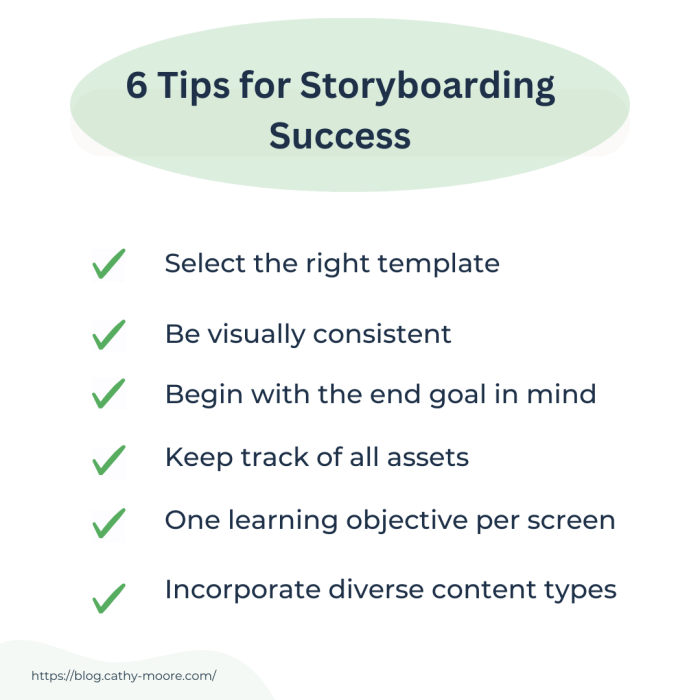
Harnessing the power of online platforms and communities offers a valuable avenue for gathering diverse feedback on your storyboard. These digital spaces provide access to a wider audience than traditional methods, allowing for a more comprehensive assessment of your work. By strategically engaging with these platforms, you can gain insightful critiques and identify areas for improvement.
The process involves sharing your storyboard on relevant online forums and soliciting feedback, specifically targeting aspects like character design and scene composition. This targeted approach ensures you receive focused critiques that directly address the core elements of your storyboard. Careful analysis of the feedback received will highlight recurring themes, offering crucial insights into potential strengths and weaknesses. This information, when categorized and prioritized, directly informs your revision process, leading to a more polished and effective final product.
Online Platforms and Their Specific Uses
Different online platforms cater to specific needs within the storyboard feedback process. For example, platforms like ArtStation, known for its professional art community, are ideal for receiving feedback on the visual aspects of your storyboard, such as character design, color palettes, and overall aesthetic appeal. The comments and critiques on such platforms tend to be more technically focused and often come from individuals with professional experience in animation or illustration. Conversely, forums dedicated to screenwriting or filmmaking might offer feedback more focused on narrative structure, pacing, and the effectiveness of the storytelling within the storyboard. The less formally structured communities on sites like Reddit, specifically subreddits dedicated to animation or filmmaking, offer a more casual environment for receiving diverse perspectives, albeit with a wider range in the quality and experience level of the feedback providers. Careful selection of the platform aligns the feedback received with your specific needs and goals for storyboard refinement.
Categorizing and Prioritizing Feedback
Once feedback is gathered from various online sources, organizing it into manageable categories is crucial for efficient revision. A simple system involves categorizing feedback as positive, negative, or suggestions. Positive feedback provides validation and identifies elements that work well, while negative feedback pinpoints areas needing improvement. Suggestions offer concrete steps for addressing identified weaknesses. Prioritizing revisions based on the frequency and severity of negative feedback, coupled with the actionable nature of suggestions, allows for a focused and efficient refinement process. For instance, consistent negative feedback regarding unclear character expressions would be prioritized over a single comment on a minor background detail. This systematic approach ensures that efforts are concentrated on the most impactful revisions.
Identifying Common Feedback Themes and Their Implications
Analyzing the collected feedback reveals recurring themes that highlight consistent areas of strength or weakness in the storyboard. For example, if multiple reviewers mention difficulty understanding the character’s motivations in a particular scene, this points to a need for clearer visual storytelling in that section. Similarly, consistent praise for a unique character design might suggest further exploration of that style. Identifying these common threads provides a roadmap for targeted revisions. Addressing these recurring issues leads to a more cohesive and effective storyboard. By focusing on the prevalent themes, the storyboard’s overall quality and clarity significantly improve.
Incorporating Feedback from Target Audience
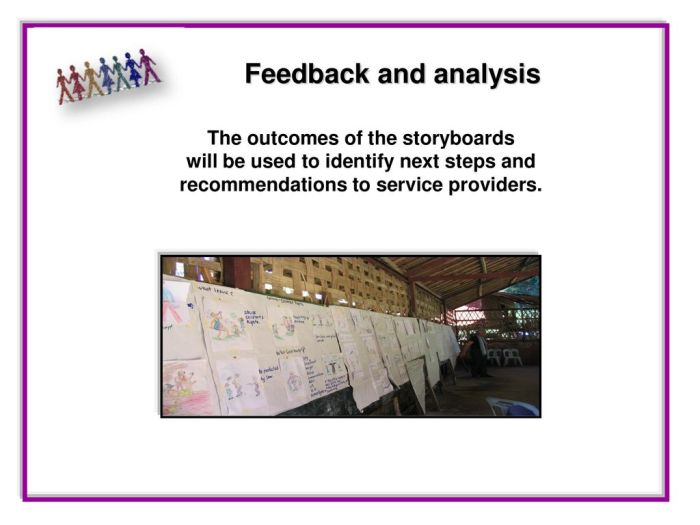
Gathering feedback directly from your target audience is crucial for ensuring your storyboard resonates with its intended viewers. Understanding their reactions and interpretations allows for targeted revisions, maximizing the storyboard’s effectiveness and impact. This process goes beyond simply asking for opinions; it involves actively observing audience responses and tailoring questions to elicit specific, actionable insights.
Directly engaging your target audience provides invaluable, real-world context that other feedback methods may lack. By observing their responses and asking targeted questions, you can identify potential areas of confusion, disconnect, or unexpected interpretations. This iterative process allows for a more refined and impactful final product, ultimately better serving the intended purpose of your storyboard.
Designing a Focused Presentation
A successful presentation to your target audience requires careful planning. Begin by selecting a representative sample of your target demographic – ensuring diversity in age, background, and experience within that group. The presentation should be concise, focusing on clear visuals from your storyboard. Avoid overwhelming the audience with excessive detail; instead, highlight key scenes and narrative points. A short, focused presentation, perhaps lasting 5-10 minutes, is ideal to maintain engagement and avoid fatigue. After the presentation, allow ample time for questions and open discussion. Observe not only verbal feedback but also non-verbal cues such as facial expressions, body language, and engagement levels. These subtle cues often reveal more than direct comments. For instance, consistent puzzled expressions during a particular scene might indicate a need for clearer visual storytelling or additional context.
Interpreting Audience Reactions
Audience reactions, both verbal and nonverbal, are vital indicators of your storyboard’s effectiveness. Verbal feedback offers direct insights into audience understanding and interpretation. For example, positive comments such as “That was exciting!” or “I understood the story perfectly” are encouraging. However, critical comments like “I didn’t get what happened here” or “This scene was confusing” pinpoint areas requiring revision. Equally important are nonverbal cues. A lack of engagement, such as disinterest or restlessness, could signal pacing issues or a lack of visual appeal. Conversely, captivated expressions and attentive body language suggest the storyboard is effectively conveying its message. Note the frequency and intensity of reactions to specific scenes – these can highlight strengths and weaknesses in your visual storytelling. For instance, a scene generating laughter where you intended suspense reveals a misalignment between your intent and audience interpretation.
Questions to Elicit Insightful Feedback
Before presenting your storyboard, prepare a series of focused questions designed to elicit specific and actionable feedback. These questions should target different aspects of your storyboard’s effectiveness.
- “What was your overall impression of the storyboard?” (Gauges general understanding and emotional response)
- “Were there any parts that were confusing or unclear?” (Identifies areas needing clarification)
- “Did the visuals effectively convey the story’s message?” (Assesses the clarity and impact of the visuals)
- “Did you find the pacing to be appropriate?” (Evaluates the rhythm and flow of the storyboard)
- “Were there any scenes that particularly stood out to you, and why?” (Highlights effective scenes and identifies areas of strength)
- “Is there anything you would change or add to the storyboard?” (Provides suggestions for improvement)
- “On a scale of 1 to 5, how engaging did you find the storyboard?” (Provides a quantifiable measure of engagement)
Adapting Storyboard to Target Audience
Adapting your storyboard based on age and cultural background is crucial for effective communication. For younger audiences (e.g., children), simplify the narrative, use brighter colors, and incorporate more dynamic visuals. Avoid complex metaphors or abstract concepts. For older audiences, you might incorporate more nuanced visuals and storytelling techniques. Consider cultural sensitivities when depicting characters, settings, and situations. What might be acceptable in one culture could be offensive or confusing in another. For example, certain colors, symbols, or gestures hold different meanings across cultures. Research your target audience’s cultural background to ensure your storyboard avoids any potential misinterpretations or unintentional offense. Consult resources like cultural sensitivity guides or experts to ensure accuracy and cultural appropriateness. A storyboard depicting a family dinner, for instance, would need to reflect the appropriate cultural norms regarding food, attire, and family interactions for the specific target audience. For example, a storyboard targeted at a Japanese audience would differ significantly from one aimed at a Western audience in terms of visual elements and storytelling conventions.
Closure
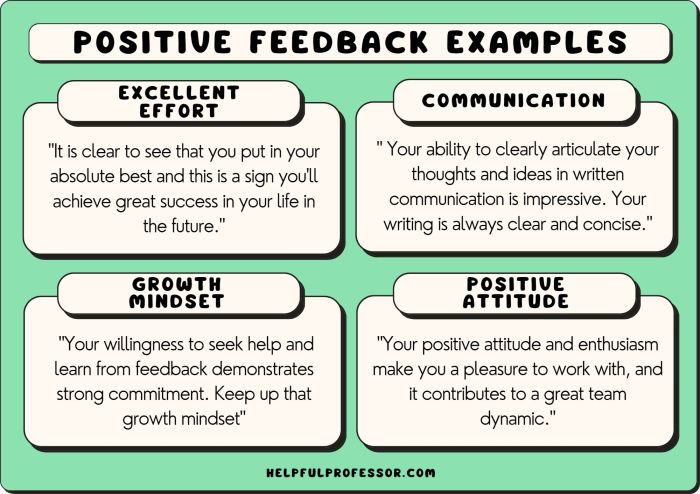
Mastering the art of soliciting and integrating feedback is paramount to creating a truly effective storyboard. By strategically employing the eight methods Artikeld above—harnessing the perspectives of peers, mentors, online communities, and your target audience—you can significantly enhance your visual storytelling. Remember that feedback is a gift, offering invaluable insights to refine your work and elevate your storytelling to new heights. Embrace the collaborative process, and watch your storyboard evolve into a powerful and resonant visual narrative.