Mastering the art of storyboarding goes beyond simply sketching out scenes; it’s about crafting a compelling visual narrative. This guide delves into three advanced techniques to elevate your storyboarding skills, transforming your static images into dynamic storytelling tools. We’ll explore advanced composition, character development through visuals, and techniques for enhancing narrative pacing and flow. Prepare to elevate your storytelling prowess to a professional level.
Through practical examples and detailed explanations, you will learn how to leverage visual elements to convey complex emotions, build suspense, and control the viewer’s experience. Whether you’re a seasoned filmmaker or just starting your journey into visual storytelling, these advanced techniques will significantly impact your ability to create engaging and memorable narratives.
Mastering Visual Storytelling
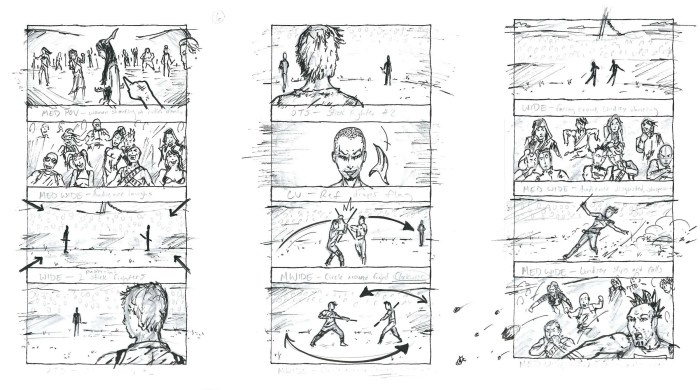
Elevating your storyboards from functional planning tools to powerful visual narratives requires a deep understanding of composition and cinematic techniques. This section delves into advanced methods for enhancing visual storytelling through careful consideration of composition, camera angles, and color palettes. By mastering these techniques, you can significantly amplify the emotional impact and clarity of your storyboards.
Rule of Thirds and its Impact on Visual Storytelling
The rule of thirds is a fundamental principle in visual composition. It suggests dividing your frame into nine equal parts using two equally-spaced horizontal lines and two equally-spaced vertical lines. Key elements within the scene should be placed along these lines or at their intersections for a more balanced and engaging composition. This avoids placing the subject directly in the center, which can often feel static and uninteresting.
Imagine a storyboard panel depicting a lone figure standing in a vast, desolate landscape. Using the rule of thirds, the figure would be positioned off-center, perhaps along the left vertical line and one-third up from the bottom horizontal line. This placement naturally draws the viewer’s eye to the figure while also highlighting the expansive emptiness of the landscape, creating a sense of isolation and vulnerability. The empty space itself becomes a powerful storytelling element.
Dynamic Camera Angles and Character Portrayal
Different camera angles significantly influence how characters are perceived and the overall mood of a scene. A high-angle shot, looking down on a character, can make them appear small, vulnerable, or insignificant. Conversely, a low-angle shot, looking up at a character, can create a sense of power, dominance, or intimidation. Eye-level shots offer a neutral perspective.
Consider a storyboard sequence showing a confrontation between two characters. The first panel shows a high-angle shot of the smaller, weaker character looking up at the larger, more imposing character. This immediately establishes a power imbalance. The second panel switches to a low-angle shot, focusing on the powerful character, emphasizing their dominance. The third panel could revert to an eye-level shot, offering a more neutral perspective during the dialogue, allowing the viewer to observe the interaction more objectively. This sequence effectively uses camera angles to manipulate the viewer’s perception of the characters and the scene’s tension.
Leading Lines and Negative Space: Guiding the Viewer’s Eye
Leading lines, such as roads, fences, or rivers, naturally draw the viewer’s eye through the composition towards a focal point. Negative space, the empty areas surrounding the subject, provides visual breathing room and can enhance the emotional impact of the scene by emphasizing the subject’s isolation or importance.
Imagine a storyboard panel depicting a lone figure standing at the end of a long, winding road disappearing into the horizon. The road acts as a strong leading line, guiding the viewer’s eye towards the figure. The vast expanse of empty sky and field surrounding the figure (negative space) emphasizes their solitude and vulnerability, enhancing the melancholic mood. The panel is primarily composed of muted blues and greys, further contributing to the feeling of loneliness. The figure is small in the frame, emphasizing the vastness of the landscape and their own insignificance within it.
Color Palettes and Mood Creation
Color palettes significantly influence the mood and atmosphere of a storyboard sequence. Warm colors like reds, oranges, and yellows typically evoke feelings of warmth, excitement, or anger. Cool colors like blues, greens, and purples often create a sense of calmness, sadness, or mystery. A monochromatic palette can create a unified, stylistic look, while contrasting colors can add tension or visual interest.
Consider a sequence depicting a character’s emotional journey. The initial panels might use warm, vibrant colors to represent the character’s happiness. As the character experiences hardship, the color palette gradually shifts to cooler tones, reflecting their growing sadness and despair. The final panel might revert to warmer colors, signifying a potential resolution or a newfound hope. This subtle shift in color subtly communicates the character’s emotional arc without relying solely on dialogue or action.
Elevating Character Development
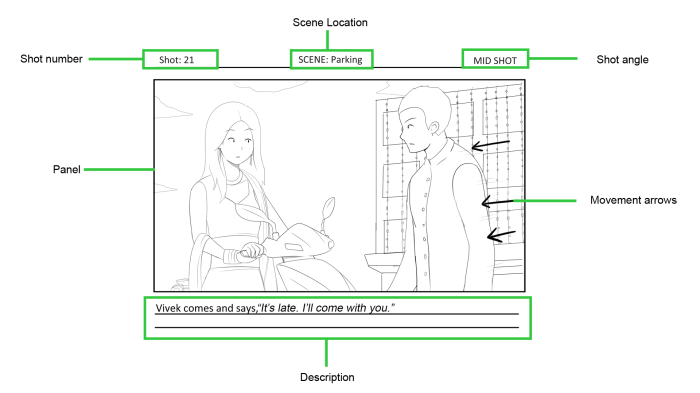
Storyboarding isn’t just about plotting action; it’s about breathing life into your characters. By skillfully utilizing visual language, you can bypass exposition and directly communicate complex emotions, relationships, and backstories, creating characters that resonate deeply with your audience. This section explores advanced techniques for elevating character development through visual storytelling in your storyboards.
Visual Conveyance of Character Emotions and Relationships
Effectively conveying character emotions and relationships relies on the subtle nuances of body language and facial expressions. Consider a scene where two characters, let’s call them Anya and Ben, are having a tense conversation. A storyboard panel showing Anya with her arms crossed, her brow furrowed, and her gaze averted from Ben, immediately communicates her defensiveness and discomfort. In contrast, Ben’s posture – shoulders slumped, head slightly bowed – suggests guilt or vulnerability. The proximity of the characters also matters; a wide distance between them visually reinforces their emotional distance, while close proximity, perhaps with a hand reaching out, could imply a desire for connection despite the tension. A series of panels can then show a shift in their body language, perhaps Anya slowly relaxing her posture as Ben offers a genuine apology, visually representing the thawing of their conflict.
Revealing Backstory Through Environmental Details
A character’s environment can act as a silent narrator, subtly revealing aspects of their past. Imagine a storyboard panel featuring a character, Elara, sitting in a sparsely furnished room. A single, worn photograph on a dusty table shows a smiling family; a faded, military-style medal hangs on the wall. These details hint at a past filled with both joy and loss, potentially suggesting a military background and the lingering impact of a family tragedy. The contrast between the simple, somewhat desolate room and the warmth of the photograph further emphasizes Elara’s inner conflict and potential resilience. This subtle approach allows the audience to infer Elara’s backstory without explicit exposition, enriching the character’s depth and intrigue.
Showcasing a Character’s Arc Through Visual Cues
Illustrating a character’s transformation requires a deliberate sequence of visual cues. Let’s consider a character, Liam, who begins the story as a timid, withdrawn individual. The initial storyboard panels might show Liam hunched over, his eyes downcast, dressed in muted colors, often isolated in the background of scenes. As Liam undergoes a transformation, the visual cues change. His posture might become straighter, his eyes more direct and confident, his clothing brighter and more expressive. He might be shown actively participating in group activities, his presence more prominent in the panels. The shift from muted to brighter colors in his clothing and surroundings can symbolize his growing self-assurance and engagement with the world. This progression, clearly depicted through a series of panels, effectively visualizes Liam’s character arc.
Depicting Internal Conflict and Emotional Turmoil
Internal conflict can be powerfully conveyed within a single storyboard panel through a variety of techniques. One method is to use contrasting imagery within the panel itself. For example, a character might be shown smiling outwardly, but their reflection in a nearby mirror reveals a face contorted in anguish, directly representing the disparity between their public persona and internal struggle. Another approach involves using visual metaphors. A character grappling with a difficult decision could be depicted with their hands clasped tightly, a storm raging outside the window mirroring the tempest within them. Finally, exaggerated visual elements, such as distorted lines or contrasting color palettes, can effectively represent the character’s internal chaos and disorientation.
Enhancing Narrative Pacing and Flow
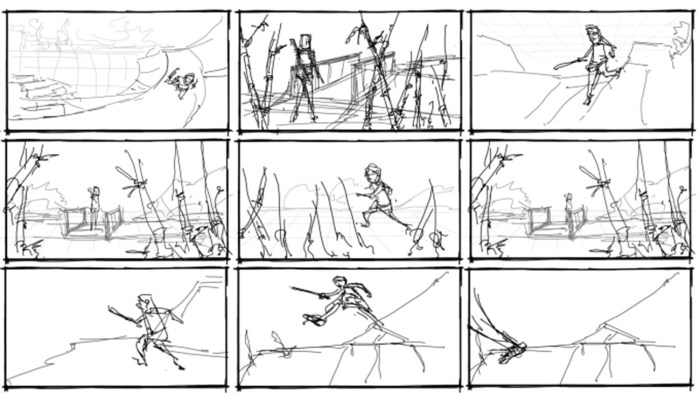
Mastering visual storytelling extends beyond compelling characters and captivating visuals; it demands a keen understanding of narrative pacing and flow. The skillful manipulation of time and visual rhythm significantly impacts the audience’s emotional engagement and overall comprehension of the narrative. This section explores advanced storyboarding techniques to achieve this control.
Effective pacing is crucial for maintaining audience interest and delivering a cohesive narrative experience. By carefully selecting and arranging visual elements, storyboard artists can control the speed at which the story unfolds, creating moments of suspense, excitement, or reflection as needed. The techniques discussed below demonstrate how to use visual language to precisely manage the narrative rhythm.
Suspense and Anticipation through Visual Techniques
Creating suspense involves gradually revealing information, building tension, and delaying gratification. In storyboarding, this can be achieved through a variety of visual techniques. For instance, a sequence might begin with a series of long shots establishing a desolate landscape, then progressively transition to closer shots focusing on a character’s apprehensive expression or a subtle movement in the background. The use of shadows, darkness, and ambiguous imagery further heightens the sense of unease and anticipation. The visual progression from wide establishing shots to increasingly tighter shots on key details creates a feeling of encroaching danger or mystery. This slow reveal, coupled with carefully chosen camera angles that emphasize the character’s vulnerability or the ominous nature of the setting, effectively builds suspense.
Manipulating Time with Jump Cuts and Editing Techniques
Jump cuts, which involve removing portions of a continuous shot, can be powerful tools for manipulating time and creating a specific rhythm. For example, a character might be shown packing a bag in one shot, then immediately in a subsequent shot, standing outside their home, ready to leave. This abrupt transition compresses time, suggesting a rapid passage of events and creating a sense of urgency. Similarly, the use of fast cuts, where shots are rapidly sequenced, can heighten tension or excitement, while slow-motion shots can emphasize a particular moment’s significance or emotional weight. The visual impact of these techniques is a dynamic and engaging narrative flow that controls the audience’s emotional response to the events depicted.
Parallel Editing to Build Tension and Reveal Information
Parallel editing, or cross-cutting, involves intercutting between two or more scenes happening simultaneously. This technique is particularly effective for building tension and revealing information concurrently. Imagine a scene where a character is being interrogated in a dimly lit room, intercut with another scene showing a bomb slowly counting down. The visual contrast between the claustrophobic interrogation and the ticking clock creates a powerful sense of urgency and impending danger. The back-and-forth cuts between these two scenes keep the audience on edge, building suspense and revealing information about both plots simultaneously, creating a compelling and impactful narrative.
Depicting the Passage of Time: Montage versus Single Shots
Storyboards can depict the passage of time in various ways. A montage might show a rapid succession of images representing the passage of days, weeks, or even years, condensing time efficiently. For instance, a series of short shots could depict a character’s transformation over time, highlighting key changes in appearance or emotional state. In contrast, a single, long shot might depict a character sitting alone, gazing into the distance, conveying a sense of extended reflection or solitude. The contrast between the dynamic visual storytelling of a montage and the stillness of a single, long shot allows storytellers to precisely control the pace and emotional impact of the time depicted. The choice between these techniques depends entirely on the narrative’s needs and the desired emotional effect.
Final Wrap-Up
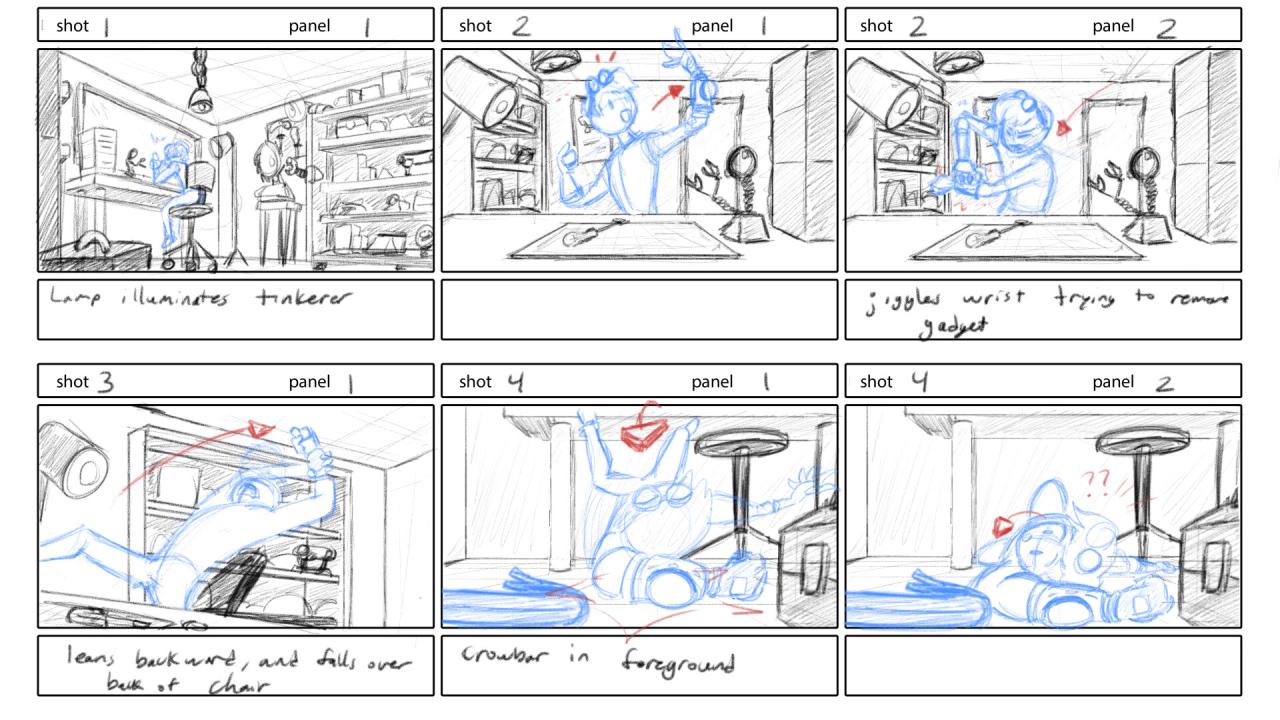
By mastering advanced composition, nuanced character development, and sophisticated pacing techniques, you can transform your storyboards from simple scene Artikels into powerful visual narratives. The techniques discussed—from utilizing the rule of thirds to employing parallel editing—provide a toolbox for creating richer, more impactful stories. Embrace these advanced approaches, and watch your storytelling capabilities soar to new heights.