Mastering camera angles is crucial for creating compelling visuals in filmmaking and storytelling. This guide delves into the art of storyboarding, focusing on nine key camera angles—extreme wide shot, wide shot, medium shot, medium close-up, close-up, extreme close-up, over-the-shoulder shot, point-of-view shot, and high-angle shot—and how to strategically employ them to enhance scene dynamics and emotional impact. We’ll explore their individual effects and demonstrate how combining them can elevate your storytelling to new heights.
Through practical examples and a step-by-step approach, you will learn to visualize scenes effectively, plan shot transitions, and ultimately craft more engaging and impactful narratives. We will examine the emotional resonance each angle evokes, the narrative pacing they influence, and the power dynamics they can subtly shift within a scene. This guide is designed to equip you with the tools to transform your storyboards from static representations to dynamic blueprints for compelling visual storytelling.
Understanding the 9 Camera Angles
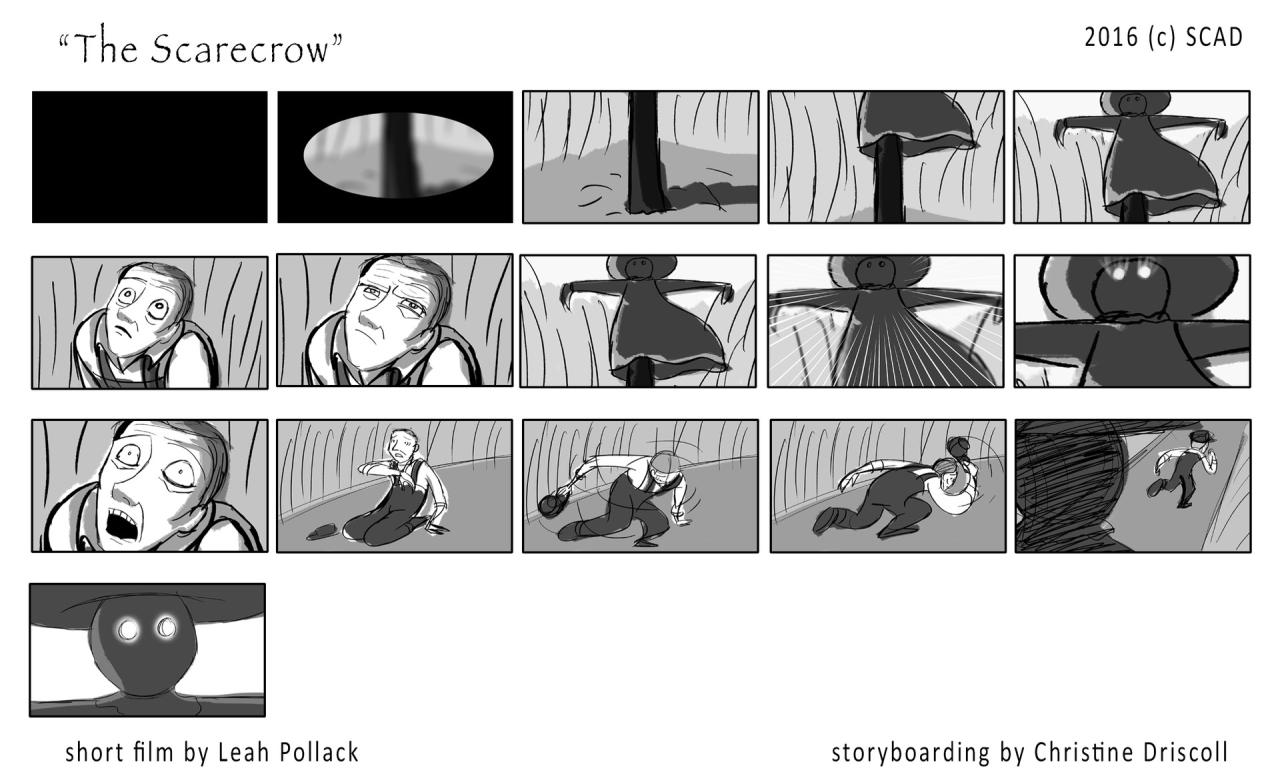
Choosing the right camera angle is crucial for effectively conveying emotion and narrative in your storyboards. Different angles create distinct perspectives and emotional responses from the viewer, impacting the overall pacing and impact of your scene. Mastering these nine fundamental camera angles allows for greater control and expressiveness in your visual storytelling.
Camera Angles and Their Emotional Impact
The following table compares nine common camera angles, outlining their typical emotional effects and providing examples of their application. Understanding these nuances is vital for creating compelling and engaging scenes.
| Camera Angle | Description | Emotional Impact | Scene Example |
|---|---|---|---|
| Extreme Wide Shot (EWS) | Shows a vast landscape or environment, with the subject appearing very small. | Emphasizes isolation, insignificance, vastness, or the overwhelming nature of a setting. | A lone figure standing on a vast, empty beach at sunset, emphasizing their loneliness. |
| Wide Shot (WS) | Shows the subject and their immediate surroundings, providing context. | Establishes setting and context, creates a sense of normalcy or objectivity. | A character walking down a busy city street, showing their environment and the flow of life around them. |
| Medium Shot (MS) | Frames the subject from the waist up, showing body language and facial expressions. | Balanced view, allows for emotional expression and interaction to be seen. | Two characters having a conversation, allowing for the display of their reactions and body language. |
| Medium Close-Up (MCU) | Frames the subject from the chest up, focusing more on facial expressions and upper body movements. | More intimate, focuses attention on emotional nuances and details. | A character reacting to surprising news, emphasizing their emotional response. |
| Close-Up (CU) | Frames the subject’s face, emphasizing facial expressions and emotions. | Intense and intimate, highlighting the subject’s inner world. | A character’s tear rolling down their cheek, showing profound sadness. |
| Extreme Close-Up (ECU) | Focuses on a specific detail, such as an eye or a mouth. | Highly dramatic and intimate, draws attention to specific details and emotions. | A character’s eye widening in fear, conveying intense terror. |
| Over-the-Shoulder Shot (OTS) | Shows one character from behind the shoulder of another character. | Creates intimacy and connection between two characters, allows for interaction and reaction shots. | Two characters arguing, showing the perspective of one character looking at the other. |
| Point-of-View Shot (POV) | Shows the scene from the subject’s perspective. | Creates empathy and immersion, allows the viewer to experience the scene through the subject’s eyes. | A character looking through a window, showcasing their view and their feelings. |
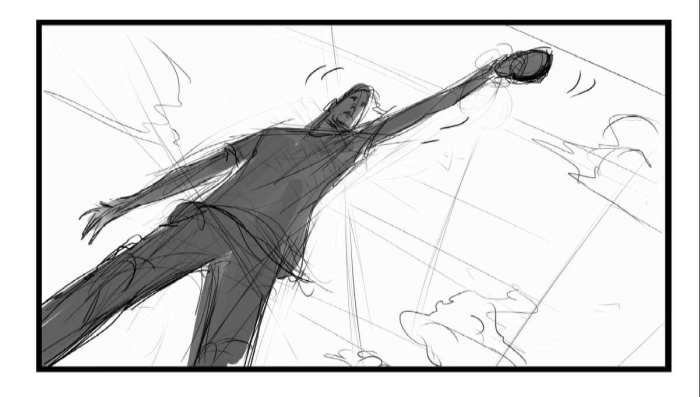
| High-Angle Shot | The camera looks down on the subject from above. | Makes the subject appear vulnerable, weak, or insignificant. | A character lying defeated on the ground after a fight, emphasizing their powerlessness. |
Situational Use of Camera Angles
Each camera angle serves a specific purpose in storytelling and pacing. Strategic use of these angles enhances narrative flow and emotional resonance.
The extreme wide shot is best used to establish a location or setting, often at the beginning of a scene to orient the viewer. Wide shots provide context and allow for a broader view of the action. Medium shots are versatile and frequently used for dialogue scenes, offering a balanced view of characters. Medium close-ups enhance emotional expression, focusing on facial details and body language. Close-ups create intimacy and draw the viewer’s attention to a specific emotion or detail. Extreme close-ups are used sparingly for maximum impact, emphasizing minute details. Over-the-shoulder shots are ideal for conversations, showing both characters’ reactions. Point-of-view shots immerse the viewer in the character’s experience. High-angle shots are often used to portray vulnerability or weakness.
Combining Camera Angles for Dynamic Sequences
Combining different camera angles creates dynamic and engaging sequences. Smooth transitions between angles can enhance the narrative flow and emotional impact. For instance, a scene might begin with an extreme wide shot establishing the setting, then transition to a wide shot showing the characters, followed by a series of medium shots and close-ups during a conversation, culminating in a high-angle shot to emphasize the character’s vulnerability at the scene’s climax. Another example would be using a series of over-the-shoulder shots during a dialogue, intercut with point-of-view shots to highlight a character’s perspective and inner thoughts. The possibilities for creative combinations are numerous.
Storyboarding Techniques Using the 9 Angles
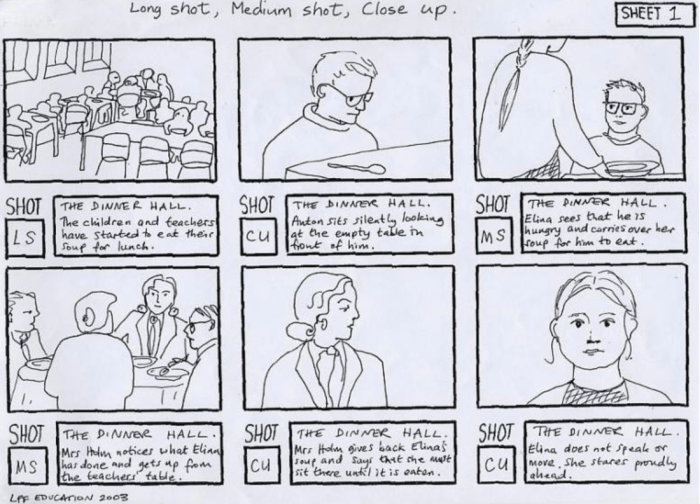
Storyboarding is a crucial pre-production step in filmmaking and animation, allowing filmmakers to visualize their shots and plan the flow of a scene before filming. Effectively utilizing various camera angles enhances storytelling, creating visual interest and conveying emotions effectively. This section will explore practical applications of nine common camera angles within storyboarding, demonstrating their impact on narrative and character portrayal.
Storyboarding a Conversational Scene
The following storyboard depicts a simple conversation between two characters, ANNA and BEN, using five different camera angles: eye-level, high-angle, low-angle, over-the-shoulder, and close-up. These angles are chosen to highlight emotional shifts and power dynamics subtly within the conversation.
- Panel 1: Eye-Level Shot. Anna and Ben are seated at a table in a cafe, facing each other. Anna is expressing concern, her body language slightly tense. Dialogue: Anna: “Are you sure about this, Ben?”
- Panel 2: Over-the-Shoulder Shot (Anna’s POV). The camera is positioned behind Anna, looking over her shoulder at Ben. Ben appears calm, almost nonchalant. Dialogue: Ben: “Yes, Anna. I’ve thought it through.”
- Panel 3: High-Angle Shot. The camera looks down on both Anna and Ben, emphasizing their vulnerability and the seriousness of the situation. Dialogue: Anna: “But what if…”
- Panel 4: Low-Angle Shot. The camera looks up at Ben, making him appear dominant and confident. Dialogue: Ben: “It will be alright.”
- Panel 5: Close-up Shot (Anna’s face). The camera focuses on Anna’s worried expression. Her eyes show a mix of apprehension and uncertainty. Dialogue: (Anna silently contemplates)
High-Angle vs. Low-Angle Shots in a Dramatic Confrontation
High-angle and low-angle shots are particularly effective in dramatic confrontations, influencing how the audience perceives the power dynamic between characters. A high-angle shot, looking down on a character, often portrays them as vulnerable, weak, or defeated. Conversely, a low-angle shot, looking up at a character, makes them appear powerful, dominant, and intimidating.
In a scene where a villain confronts a hero, a high-angle shot of the hero might be used to show their initial vulnerability. As the confrontation progresses, and the hero gains the upper hand, the camera might switch to a low-angle shot, emphasizing their newfound power and dominance over the villain. Consider the iconic showdown in a classic Western film: initially, the hero might be shown in a high angle, appearing outnumbered and outmatched. As the hero gains momentum, a low angle might be employed to show their strength and resolve as they confront the antagonist. This shift in camera angles directly mirrors the changing power dynamic.
Storyboarding a Chase Scene
A chase scene demands dynamic camera work to convey speed, movement, and tension effectively. Multiple camera angles are essential to maintain viewer engagement and build suspense.
- Panel 1: Long Shot. The protagonist is running through a city street, pursued by antagonists. This establishes the overall setting and the chase’s scope.
- Panel 2: Over-the-Shoulder Shot (Protagonist’s POV). The camera is positioned behind the protagonist, emphasizing their frantic movements and the urgency of the situation. The antagonists are visible in the distance, increasing tension.
- Panel 3: Close-Up Shot. The camera focuses on the protagonist’s determined expression, highlighting their resolve and struggle. Sweat and exertion are visible.
- Panel 4: Point-of-View Shot (from the antagonist’s car). The camera is positioned inside the pursuing vehicle, giving the audience a glimpse of the antagonists’ perspective and their relentless pursuit.
- Panel 5: Fast-paced Montage of Quick Cuts. A series of rapid shots from various angles (low angle, high angle, close ups) shows the chaotic nature of the chase, emphasizing the speed and danger.
The rapid succession of shots, combined with varying camera angles, contributes to the overall sense of urgency and panic, making the chase scene dynamic and thrilling for the viewer.
Advanced Applications and Creative Uses
Mastering the nine camera angles is just the beginning. This section explores how to leverage these tools creatively to enhance storytelling and evoke specific emotional responses from your audience. By thoughtfully combining different angles and employing advanced techniques, you can elevate your storyboarding to a professional level.
Point-of-View Shots and Emotional Immersion
Point-of-view (POV) shots offer a powerful way to place the viewer directly into the character’s experience. These shots are crucial for conveying a character’s emotional state, creating empathy, and building suspense. Imagine a scene where a character is slowly approaching a dark alleyway at night. A series of POV shots could start with a wide shot showing the alley’s ominous entrance, then transition to a close-up POV shot of the character’s apprehensive hand gripping their bag, followed by a slightly shaky POV shot showing the shadows flickering in their peripheral vision. The gradual shift from wide to close-up POV shots and the inclusion of visual details that reflect the character’s fear directly communicates their anxiety to the audience. The use of shaky camera work in the final POV shot further enhances the feeling of unease and vulnerability.
Over-the-Shoulder Shots and Intercharacter Dynamics
Over-the-shoulder shots are invaluable for depicting interactions between characters, creating intimacy or tension depending on framing and composition. For example, a close over-the-shoulder shot focusing on one character’s worried expression while the other character’s face is partially obscured in the background can create a sense of tension and uncertainty. Conversely, a wider over-the-shoulder shot, showcasing both characters’ relaxed body language and smiles, can build a sense of comfort and connection. The strategic use of shallow depth of field, blurring the background and focusing sharply on the characters’ faces, further intensifies the emotional impact.
Extreme Wide Shots and Extreme Close-Ups: Dramatic Contrast and Key Moments
The juxtaposition of extreme wide shots (establishing shots) and extreme close-ups creates a powerful visual contrast, drawing attention to key moments and building dramatic tension. Consider a scene where a lone figure stands on a vast, empty plain (extreme wide shot), establishing their isolation. Then, an extreme close-up reveals a single tear rolling down their cheek (extreme close-up), revealing their inner turmoil. This powerful contrast emphasizes the character’s vulnerability within the vastness of their surroundings. The shift between these two drastically different shots amplifies the emotional impact of the scene and highlights the character’s internal struggle against the external world. Another example could involve an extreme wide shot of a bustling city street, followed by an extreme close-up on a character’s hand nervously clutching a stolen item, immediately raising the stakes and increasing the tension.
Outcome Summary
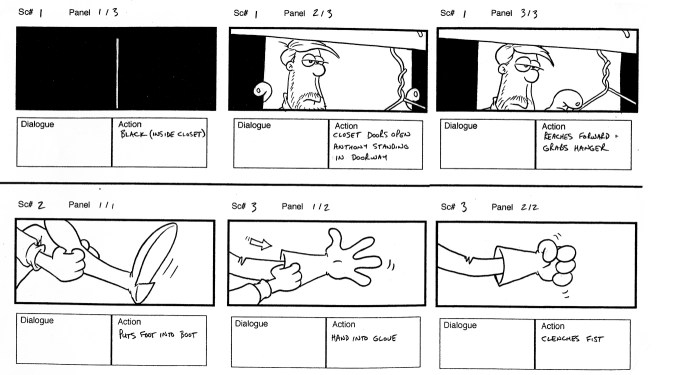
By understanding and skillfully applying these nine camera angles, filmmakers and storytellers can significantly enhance the emotional depth and narrative power of their projects. From the grand sweep of an extreme wide shot to the intimate intensity of an extreme close-up, each angle offers a unique opportunity to connect with the audience on a deeper level. Remember that the key lies not just in choosing the right angle, but in strategically sequencing them to create a visually dynamic and emotionally resonant experience for your viewers. Mastering these techniques will allow you to translate your vision into captivating cinematic sequences.