Crafting compelling narratives often hinges on effectively conveying emotion. Storyboards, the visual blueprints of filmmaking and animation, offer a powerful tool to achieve this. This guide delves into four key strategies for creating emotionally resonant storyboards, exploring techniques to evoke a wide spectrum of feelings within your audience, from profound sadness to exhilarating joy.
We’ll examine how careful consideration of visual elements – character expressions, color palettes, camera angles, and symbolic imagery – can transform a static image sequence into a dynamic emotional journey. By mastering these techniques, you can elevate your storytelling and ensure your audience connects deeply with the characters and their experiences.
Understanding Emotional Impact in Storyboards

Storyboards are not just visual Artikels; they are powerful tools for conveying emotion, setting tone, and driving narrative. A well-crafted storyboard can evoke a wide range of feelings in the viewer, influencing their understanding and engagement with the story. Mastering the art of expressing emotion through storyboarding is crucial for effective visual storytelling.
Depicting Profound Sadness in a Storyboard Scene
Consider a scene depicting profound sadness. The panel shows a character, an elderly woman named Elara, sitting alone on a park bench. Her posture is slumped, shoulders rounded, head bowed low. Her face is etched with wrinkles, her expression a mixture of weariness and grief. Tears silently track down her weathered cheeks. Her hands are clasped loosely in her lap, her fingers trembling slightly. The environment reflects her inner state: the park is overcast and grey, the leaves on the trees are bare and brown, mirroring the emptiness she feels. A single, withered flower lies forgotten at her feet. The overall palette is muted grays, browns, and deep blues, enhancing the feeling of melancholy.
Illustrating an Emotional Arc: Anger to Forgiveness
This sequence depicts a character’s emotional journey from anger to forgiveness.
Panel 1: A close-up shot of the character, MARK, his face contorted in a furious grimace. His fists are clenched, his eyes blazing with anger. The background is blurred, emphasizing his intense emotion. The color palette is dominated by fiery reds and oranges.
Panel 2: Mark is shown pacing back and forth, his body tense, his expression still angry but tinged with a hint of uncertainty. The background is slightly clearer, suggesting a shift in his focus. The colors are slightly less intense, with some muted blues creeping into the scene.
Panel 3: Mark sits alone, his head in his hands. His anger has subsided, replaced by a quiet sadness and introspection. The colors shift towards softer blues and greens, reflecting a calmer, more reflective state.
Panel 4: Mark extends a hand towards another character, ANNA, a gesture of reconciliation. His expression is one of remorse and tentative hope. The background is brighter, suggesting a change in atmosphere. The color palette incorporates warmer yellows and greens, indicating a sense of healing and resolution.
Panel 5: Anna takes Mark’s hand, a soft smile gracing her lips. The final panel shows both characters together, suggesting forgiveness and a new beginning. The color palette is bright and hopeful, with yellows, oranges, and gentle blues dominating.
Utilizing Color Palettes to Enhance Emotional Impact
Color plays a significant role in evoking emotions. A well-chosen palette can greatly enhance the emotional impact of a storyboard. For instance, warm colors like reds and oranges often convey feelings of excitement, passion, or anger. Cool colors such as blues and greens are frequently associated with calmness, sadness, or tranquility. Muted tones generally evoke feelings of nostalgia or melancholy, while bright, saturated colors suggest happiness or energy. Consider the film *The Shawshank Redemption*, where the muted, grey tones of the prison reflect the bleakness of the characters’ situation, contrasted with the warmer, brighter colors that appear as Andy Dufresne’s hope grows.
Close-Up Shots versus Wide Shots in Conveying Emotional Intensity
Close-up shots are effective in conveying intense emotions by focusing on facial expressions and minute details. They allow the viewer to connect intimately with the character’s feelings. Wide shots, on the other hand, provide context and can show the character’s relationship to their environment, often emphasizing isolation or overwhelming circumstances. For example, a close-up on a character’s tear-streaked face reveals profound sadness, while a wide shot of that same character standing alone in a vast, empty landscape emphasizes their isolation and despair. The choice between close-up and wide shots depends on the specific emotion being conveyed and the desired level of intimacy with the viewer.
Visual Storytelling Techniques for Emotions
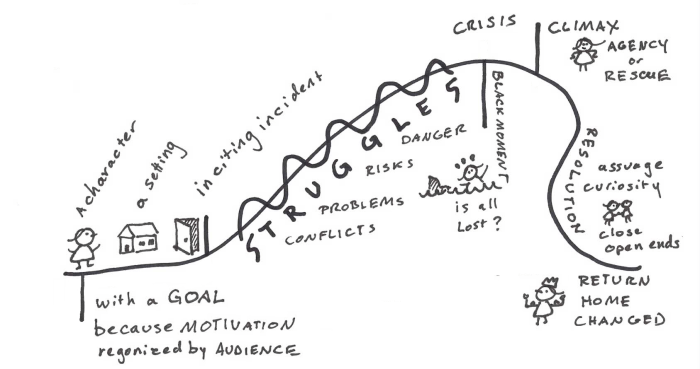
Effective visual storytelling hinges on conveying emotions convincingly. This requires a deep understanding of visual language and how it interacts with the audience’s emotional responses. By carefully choosing character poses, camera angles, and symbolic imagery, storyboard artists can powerfully communicate a wide spectrum of feelings, enriching the narrative and creating a lasting impact.
Illustrating Intense Joy Through Character Interaction and Body Language
Illustrating a moment of intense joy requires a dynamic approach to character portrayal. The key is to showcase unrestrained happiness through expressive body language and interaction. Consider a sequence of three panels. In the first panel, show two characters embracing, their bodies leaning heavily into each other. Their faces are turned upwards, mouths open in joyful laughter, eyes crinkled at the corners. Hair is slightly disheveled, adding to the sense of spontaneous exuberance. The second panel zooms in slightly on their faces, highlighting the radiant smiles and tears of joy welling up in their eyes. The third panel shows them stepping back, still holding hands, but now their joy is expressed through expansive gestures – arms raised in the air, bodies slightly swaying, and a shared, joyful gaze. The overall effect is one of infectious happiness, conveying the depth of their shared emotional experience.
Visual Representations of Fear or Suspense Using Composition and Perspective
Three distinct approaches can effectively depict fear or suspense. Firstly, a low-angle shot can be used to emphasize the overwhelming power of a looming threat. Imagine a panel showing a lone character from a low perspective, looking up at a monstrous figure silhouetted against a stormy sky. The character’s smallness against the imposing backdrop visually communicates their vulnerability and fear. Secondly, a claustrophobic composition can create a sense of confinement and anxiety. A panel depicting a character trapped in a narrow, dark corridor, with shadows obscuring the path ahead, evokes a feeling of helplessness and dread. Thirdly, the use of extreme close-ups on a character’s fearful expression, such as wide, dilated eyes and a trembling mouth, can directly communicate intense fear. This technique can be particularly effective when combined with unsettling sounds or dialogue in the accompanying script.
Using Symbolic Imagery to Convey Unspoken Emotions
Symbolic imagery adds layers of meaning to a storyboard, allowing for the subtle conveyance of unspoken emotions. For instance, a wilting flower can symbolize loss or sadness; a bright, sunny sky can represent hope and optimism; a broken mirror can signify shattered dreams or a fractured identity; a clenched fist can portray anger or determination; and a flickering candle can suggest uncertainty or impending doom. These visual metaphors bypass explicit dialogue, prompting the viewer to engage more deeply with the emotional undercurrents of the narrative. The effectiveness lies in the universality of these symbols and their ability to resonate with the audience on an intuitive level.
Storyboarding a Character’s Internal Conflict
Visual cues are essential to illustrate a character’s internal struggle. A sequence might begin with a panel showing the character alone, their posture slumped, head in their hands, reflecting their inner turmoil. The next panel could show a split-screen, one side depicting their desired outcome (perhaps a happy family scene), and the other side showing their current reality (a desolate, empty room). This visual juxtaposition highlights the stark contrast between their aspirations and their current situation. Subsequent panels could use close-ups on their conflicted facial expressions, alternating between moments of determination and despair, reflecting their internal battle. Finally, a panel showing the character making a decisive choice, regardless of the outcome, would bring closure to the sequence, visually resolving the internal conflict.
Applying Emotional Storytelling Principles
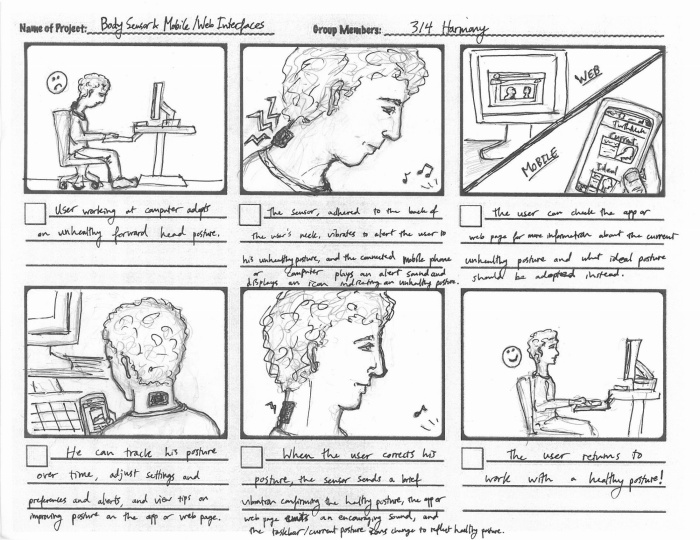
Storyboards are not just about visuals; they’re about crafting emotions. By understanding and applying core principles of emotional storytelling, you can elevate your storyboard from a simple sequence of images to a powerful narrative tool that resonates deeply with the viewer. This section explores how to leverage visual elements to evoke specific emotions within your storyboard.
Evoking Empathy Through Visuals
To create empathy for a character facing hardship, focus on close-ups that reveal their vulnerability. Imagine a scene where a character has lost their home in a fire. Instead of showing a wide shot of the burning house, focus on a close-up of their face, etched with grief and exhaustion, their eyes red and swollen. Their posture should be slumped, their shoulders drooping. Show their trembling hands clutching a single, salvaged photograph – a visual representation of their loss. The color palette should be muted and desaturated, reflecting the character’s emotional state. Use soft lighting to enhance their vulnerability and avoid harsh shadows that might distract from the emotional core. A subtle use of slow motion in these close-ups can further amplify the sense of despair and loss. The environment itself can also contribute; the charred remains of their home in the background, subtly visible, adds to the overall sense of devastation without overwhelming the focus on the character’s emotional response.
Building Suspense Through Gradual Revelation
Suspense is built through controlled pacing and the strategic withholding of information. Consider a scene where a character is being stalked. The first panel might show only a fleeting shadow moving in the periphery. The next panel could reveal a glimpse of a hand gripping a weapon, partially obscured. Subsequent panels could gradually tighten the framing, showing more detail – a glint of metal, a portion of a menacing figure’s face. The use of darkness and shadows is key; the unknown is far more terrifying than the known. Each panel should reveal just a little more, building tension slowly until the climax. The color palette can shift subtly; the initial panels might be in relatively normal lighting, slowly darkening and becoming more saturated with cool colors (blues, purples) as the threat becomes more imminent. The use of contrasting light and dark areas within the frames themselves will further heighten the suspenseful atmosphere.
Highlighting Transformation Through Emotional Contrast
Contrasting emotions highlight pivotal moments. Imagine a character who is initially arrogant and self-assured. A series of panels could depict them in their usual confident demeanor – perhaps with bold colors and dynamic poses. Then, a key event occurs that shatters their confidence. The subsequent panels could dramatically shift to muted colors, depicting a slumped posture, and a defeated expression. This stark contrast visually emphasizes the character’s internal transformation. The use of different camera angles can also contribute to this effect; the initial panels could utilize high angles to showcase their dominance, whereas the later panels could use low angles to portray their vulnerability and defeat. This visual representation of their emotional shift is much more impactful than a simple narrative description.
Visualizing Internal Monologue
Visual metaphors are crucial for depicting internal struggles. If a character is overwhelmed by guilt, you might show them surrounded by shadowy figures representing their conscience. If they are battling self-doubt, you could depict them as a small, insignificant figure dwarfed by towering obstacles. The use of surreal or abstract imagery can effectively communicate complex emotions. For example, if a character is experiencing intense anxiety, you might show their heart beating wildly, represented by a rapidly pulsating red light. Or, if they’re struggling with a difficult decision, you might visualize this internal conflict as a tug-of-war between two opposing forces. The color palette here could be vibrant and contrasting to show the intensity of the internal struggle. These visual metaphors, unlike literal depictions, allow for a deeper and more impactful portrayal of the character’s emotional turmoil.
Final Review
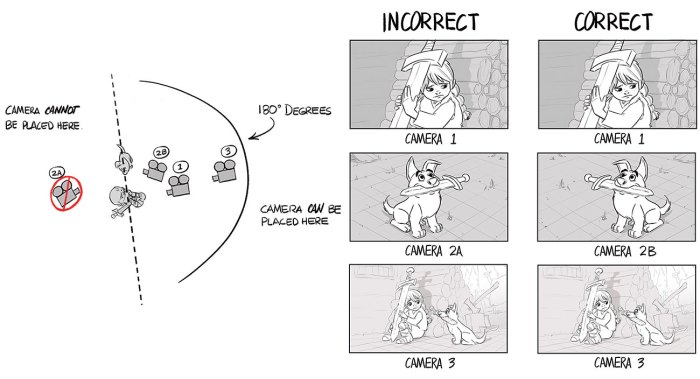
Mastering the art of emotional storytelling through storyboarding is a journey of continuous learning and refinement. By thoughtfully employing techniques that leverage visual cues, color psychology, and impactful composition, you can transform your storyboards from mere Artikels into emotionally potent narratives. Remember, the goal is to create a visual language that resonates deeply with your audience, leaving a lasting impression long after the final panel.