Storyboarding is crucial for successful advertising campaigns. It allows for visualization and refinement of concepts before production, minimizing costly revisions and ensuring a cohesive final product. This guide explores five effective strategies for creating compelling storyboards that resonate with target audiences across diverse platforms, from television commercials to engaging social media content.
We will delve into the fundamentals of storyboard creation, examining different types and techniques. We’ll then explore how to adapt strategies for various platforms, considering unique challenges and opportunities presented by each. Finally, we’ll cover refinement techniques, collaborative processes, and effective client presentations, ensuring your storyboards translate into impactful advertising campaigns.
Understanding the Fundamentals of Storyboarding for Advertising
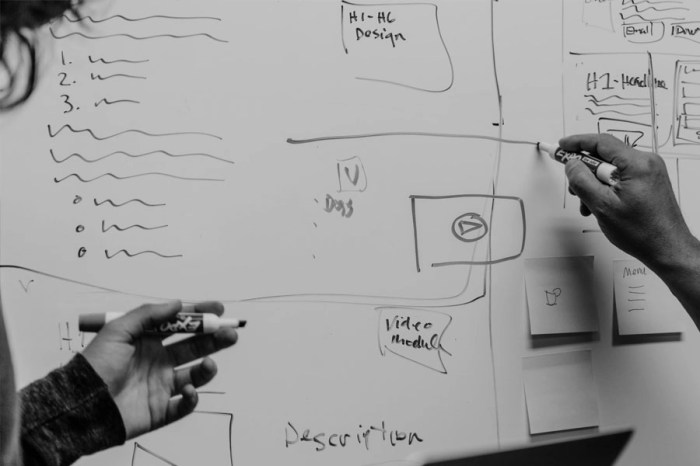
Storyboarding is a crucial pre-production phase in advertising, translating the creative vision into a visual roadmap for the final product. It serves as a collaborative tool, allowing the creative team, clients, and other stakeholders to visualize the ad’s narrative flow and identify potential issues before committing significant resources to filming or animation. A well-executed storyboard ensures everyone is on the same page, leading to a smoother and more efficient production process.
A compelling advertising storyboard effectively communicates the core message, brand identity, and desired emotional impact. It’s more than just a series of drawings; it’s a dynamic visual script that tells a story.
Core Components of a Compelling Advertising Storyboard
A successful storyboard includes several key elements. Each frame should clearly depict the scene’s action, including character placement, camera angles, and key visual details. Concise descriptions accompanying each frame provide further context, specifying dialogue, sound effects, and any other relevant information. The storyboard should also incorporate the brand’s visual identity, using consistent color palettes, logos, and typography to maintain brand cohesion. Finally, the storyboard should clearly demonstrate the ad’s narrative arc, building to a satisfying conclusion that aligns with the campaign’s overall objectives.
Types of Storyboards Used in Advertising Campaigns
Advertising utilizes various storyboard types to suit different production styles. Live-action storyboards depict scenes intended for filming with actors and real-world settings. These boards are detailed, showing camera angles, lighting, and actor positions. Animatic storyboards, on the other hand, are rough animations created from the storyboard sketches, often incorporating basic sound and music. This allows for a more dynamic preview of the final ad’s pacing and rhythm, especially useful for complex animations or VFX-heavy projects. Other types include digital storyboards created using software like Photoshop or specialized storyboarding applications, offering greater flexibility and ease of revision.
Effective Visual Storytelling Techniques in Advertising Storyboards
Effective visual storytelling employs techniques to enhance the narrative’s impact. Using strong visual metaphors and symbolism can create deeper connections with the audience. Strategic use of camera angles, like low-angle shots to emphasize power or high-angle shots to portray vulnerability, significantly influence the viewer’s perception. Careful composition, adhering to the rule of thirds or creating leading lines, enhances visual appeal and directs the viewer’s gaze. Finally, consistent visual style and color palettes help maintain brand identity and create a cohesive narrative throughout the ad. For example, a storyboard for a luxury car might use a dark, moody color palette and cinematic camera angles, while a storyboard for a children’s toy might utilize bright, playful colors and dynamic camera movements.
Storyboarding’s Role in Streamlining the Advertising Production Process
Storyboarding significantly streamlines the production process by providing a clear visual reference point for all involved. It facilitates pre-visualization, allowing the team to identify and address potential issues (e.g., logistical challenges, inconsistencies in the narrative) early on. This prevents costly re-shoots or revisions during filming. The storyboard also helps in budgeting and scheduling by providing a clear picture of the resources required, including crew, equipment, and locations. Moreover, it aids in communication, ensuring everyone understands the creative vision and facilitating smoother collaboration between the creative team, clients, and production crew. For instance, a well-defined storyboard can help prevent misunderstandings about camera angles or actor movements, leading to a more efficient shoot.
Sample Storyboard: Hypothetical Product Launch
Let’s imagine a new line of sustainable athletic wear launching. The storyboard would open with a shot of a runner in a polluted urban environment, emphasizing the problem. The next frame shows the runner transitioning to a clean, natural setting, wearing the new athletic wear. The camera focuses on the clothing’s features – breathable fabric, vibrant colors reflecting brand identity. Subsequent frames showcase diverse individuals engaged in various activities while wearing the clothing, highlighting its versatility. The final frame features the product logo and tagline, emphasizing the brand’s commitment to sustainability and performance. The overall color palette would be vibrant yet natural, reflecting the brand’s values. Each frame would include concise descriptions of the action, sound, and dialogue, such as “Sound of footsteps on pavement,” or “Voiceover: Experience the difference.” The storyboard would effectively communicate the brand’s message: high-performance athletic wear with a sustainable conscience.
Developing Effective Storyboard Strategies for Diverse Advertising Platforms
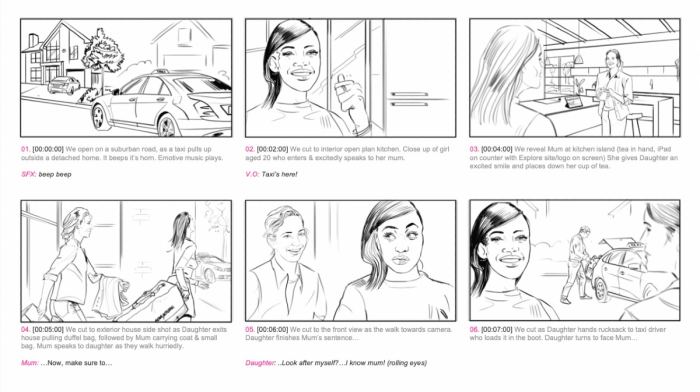
Storyboarding is crucial for successful advertising campaigns, but the approach needs to adapt significantly depending on the chosen platform. A storyboard for a 30-second television commercial will differ vastly from one designed for a fleeting Instagram Story. Understanding these platform-specific nuances is key to maximizing impact and achieving advertising goals. This section will explore effective storyboarding strategies tailored to various advertising platforms.
Television Commercials versus Social Media Ads
Television commercials typically benefit from a more cinematic approach. Storyboards for these ads often emphasize sweeping shots, strong visual narratives, and a clear beginning, middle, and end, mirroring the structure of a short film. The visual storytelling needs to be immediately engaging and easily digestible within the allocated time slot, often prioritizing emotional connection. In contrast, social media ads, particularly those on platforms like TikTok or Instagram, require a shorter, snappier style. They often rely on quick cuts, trending audio, and text overlays to capture attention within a few seconds. The focus shifts from a comprehensive narrative to delivering a concise message quickly and memorably. While television commercials often aim for a broader audience, social media ads often target specific demographics with tailored content and visual styles.
Challenges and Opportunities Across Advertising Platforms
Print advertising, while seemingly simpler, presents unique challenges in storyboarding. The storyboard must translate a visual narrative into a static image, relying heavily on composition and visual cues to communicate the message effectively. The limitations of space require careful consideration of what visual elements to prioritize. Digital advertising, encompassing banners, website ads, and interactive elements, offers more flexibility but requires storyboards that account for user interaction and various screen sizes. Out-of-home (OOH) advertising, such as billboards and posters, necessitates storyboards that are easily understood from a distance and can capture attention in a fleeting moment. The scale and viewing conditions must be carefully considered. Each platform offers specific opportunities: television provides broad reach, social media offers targeted engagement, print allows for detailed visuals, digital enables interactivity, and OOH provides high visibility in public spaces.
Adapting Storyboards to Target Audiences
Effective storyboarding necessitates understanding the target audience. For example, a storyboard for a youth-oriented product should incorporate vibrant colors, fast-paced visuals, and trendy aesthetics, while a storyboard for a luxury brand might favor sophisticated imagery, slow pacing, and a more refined aesthetic. The language used in the storyboard annotations should also reflect the target audience’s communication style. Researching the platform’s typical user demographics and analyzing successful campaigns on that platform can inform the storyboard’s style and content. Understanding cultural nuances is also vital for creating relatable and impactful ads across diverse audiences.
TikTok Video Ad Storyboard
This storyboard is for a 15-second TikTok ad for a new line of eco-friendly athletic wear.
Scene 1: (0-3 seconds) A quick montage of diverse individuals (different ages, ethnicities, body types) engaging in various athletic activities (running, yoga, weightlifting) – all wearing the new athletic wear. Fast-paced editing, upbeat music. Text overlay: “Sustainable Style. Sustainable Performance.”
Scene 2: (3-7 seconds) Close-up shots showcasing the clothing’s features: breathable fabric, recycled materials tag, stylish design. Music slightly softer. Text overlay: “Made with recycled materials.”
Scene 3: (7-12 seconds) People enjoying their activities outdoors in scenic locations, emphasizing the positive impact of eco-friendly choices. Music builds slightly in intensity. Text overlay: “Feel good. Look good. Do good.”
Scene 4: (12-15 seconds) Call to action: website address and social media handle displayed prominently. Music fades out. Text overlay: “Shop now!”
Instagram Stories versus YouTube Ads
| Visual Element | Instagram Stories | YouTube Ads | Narrative Style |
|---|---|---|---|
| Video Length | Short (up to 15 seconds) | Variable (can be longer) | Narrative Style |
| Visual Style | Fast-paced, vertical video, bright colors, text overlays | More cinematic, can be longer shots, diverse aspect ratios | Storytelling |
| Sound | Often uses trending audio or music | Can include voiceovers, sound effects, and background music | Storytelling |
| Call to Action | Swipe up, tap to shop | End screen with website URL or other interactive elements | Storytelling |
Refining and Implementing Storyboards for Maximum Impact
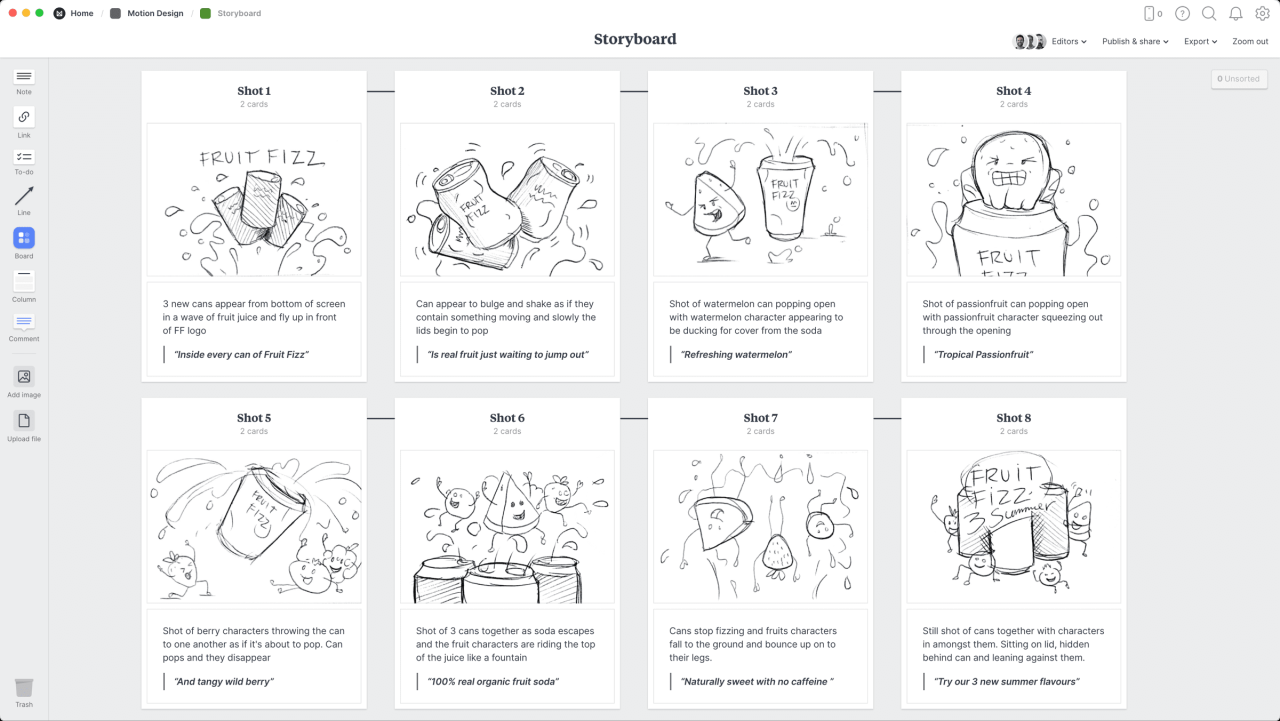
Creating a compelling storyboard is only half the battle; refining it and implementing it effectively ensures your advertising campaign resonates with its target audience. This stage involves meticulous review, collaboration, and a keen eye for detail to translate the initial concept into a visually stunning and impactful final product. Ignoring this crucial phase can lead to a disconnect between the storyboard’s promise and the final advertisement’s delivery.
Successful implementation hinges on avoiding common pitfalls, fostering effective collaboration, and seamlessly integrating sound and music. A well-defined process for translating the storyboard into the final campaign, along with a confident presentation to clients, are also essential elements for achieving maximum impact.
Common Pitfalls in Storyboard Creation
Ignoring potential production limitations during the storyboard phase is a frequent mistake. For example, a storyboard might depict a complex, sweeping camera shot that is practically impossible or prohibitively expensive to execute. Similarly, neglecting the nuances of the target audience and their cultural context can lead to misinterpretations and a lack of engagement. Overly ambitious storyboards, lacking practicality or feasibility, are also a common pitfall. Failing to clearly define the call to action within the storyboard itself is another issue; the intended message might be lost in the visuals. Finally, a lack of clear visual hierarchy, where the most important elements aren’t readily apparent, can diminish the storyboard’s effectiveness.
Collaboration and Feedback in Storyboard Development
Effective collaboration is paramount throughout the storyboard process. Open communication between the creative team, the client, and other stakeholders ensures that everyone is on the same page. Regular feedback sessions allow for the identification and resolution of potential issues early on, preventing costly revisions later. Constructive criticism, coupled with a collaborative spirit, helps refine the storyboard, ensuring it accurately reflects the campaign’s objectives and aligns with the client’s vision. This iterative process allows for the incorporation of diverse perspectives, leading to a more robust and impactful final product. For instance, a feedback session might reveal a need for a more emotionally resonant scene, or perhaps a simpler visual to improve clarity.
Incorporating Sound Design and Music Cues into Storyboards
Sound design and music are integral components of a successful advertising campaign, yet they are often an afterthought in storyboard development. Effectively incorporating these elements requires careful consideration of the overall mood and message. The storyboard should include annotations indicating the type of music, sound effects, and voiceover needed for each scene. For example, a scene depicting a fast-paced action sequence would require energetic music and sound effects, while a scene focusing on emotional connection might utilize softer music and ambient sounds. These annotations guide the production team and ensure consistency between the storyboard and the final advertisement.
Translating Storyboards into Finished Advertising Campaigns
The transition from storyboard to finished advertisement involves several key steps. First, the storyboard serves as a blueprint for the production team, outlining the shots, camera angles, and overall visual style. Next, the script is finalized, incorporating the sound design and music cues indicated in the storyboard. Then, the filming and editing processes take place, guided by the storyboard’s visual framework. Finally, post-production work, such as color correction and special effects, refines the final product. Throughout this process, consistent communication between the storyboard artist and the production team is crucial to ensure fidelity to the original vision.
Presenting Storyboards to Clients or Stakeholders
Presenting a storyboard to clients or stakeholders requires a well-structured approach. Begin with a brief overview of the campaign’s objectives and target audience. Then, present the storyboard itself, highlighting key scenes and explaining the rationale behind each visual choice. Use clear and concise language, avoiding jargon. Incorporate visual aids, such as annotated versions of the storyboard or mood boards, to enhance understanding. Conclude with a call to action, outlining the next steps in the process. For instance, a persuasive presentation might emphasize the storyboard’s alignment with market research data, demonstrating its potential to resonate with the target demographic. This systematic approach ensures a clear and effective communication of the storyboard’s merits and its potential to contribute to a successful advertising campaign.
Closure
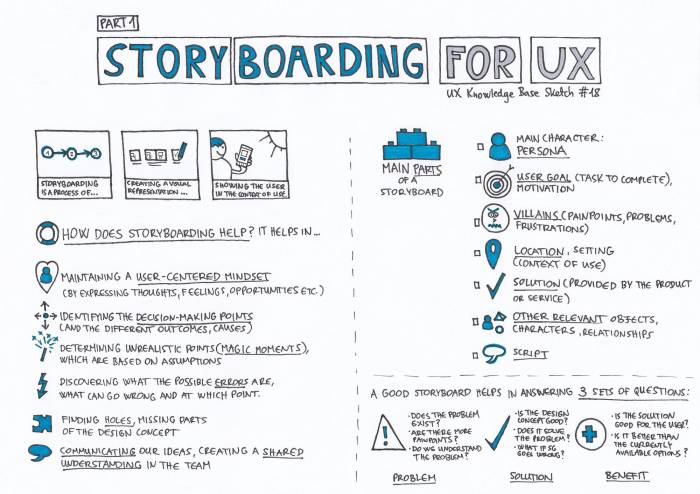
By mastering the art of storyboarding, advertisers can significantly enhance their campaigns’ effectiveness. Through careful planning, strategic adaptation to different platforms, and iterative refinement, a compelling visual narrative can be crafted. This process ensures a clear vision is shared among the creative team and clients, leading to a more efficient and ultimately more successful advertising campaign. Remember that consistent collaboration and a keen understanding of the target audience are key to creating storyboards that truly resonate.