Storyboarding is a powerful tool for crafting engaging educational content. By visually outlining the flow of information, educators can create more effective and memorable learning experiences. This guide provides six key tips to help you leverage storyboarding techniques to improve the clarity, engagement, and overall impact of your educational materials, whether you’re creating videos, presentations, or interactive lessons.
We’ll explore the fundamental principles of storyboarding, examining different techniques tailored to various learning styles. We’ll also delve into the practical aspects of creating compelling narratives, incorporating interactive elements, and utilizing visual aids to simplify complex concepts. Finally, we’ll discuss how to effectively integrate and evaluate storyboards within the educational content development process.
Crafting Engaging Educational Storyboards
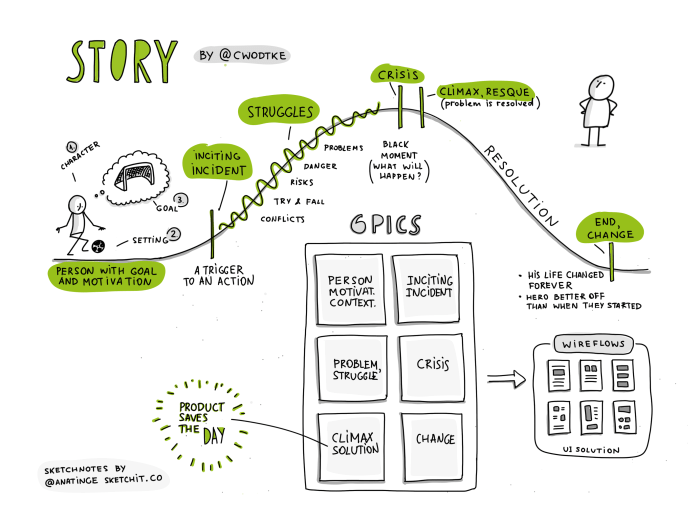
Creating effective educational storyboards goes beyond simply illustrating a sequence of events. It involves crafting a compelling narrative that captures learners’ attention and facilitates understanding. This requires careful consideration of narrative structure, interactive elements, and effective visual communication techniques.
A compelling narrative structure is crucial for maintaining learner engagement. A well-structured storyboard guides the learner through a logical progression of information, ensuring that each scene builds upon the previous one and contributes to the overall learning objective. This is achieved through a clear beginning, middle, and end, with a defined problem or question that is addressed and resolved throughout the narrative.
Incorporating Interactive Elements
Interactive elements significantly enhance learner engagement and knowledge retention. These can include quizzes embedded within the storyboard, branching narratives that allow learners to make choices and see the consequences, clickable elements that reveal additional information, and animations that bring static visuals to life. Consider using interactive elements strategically to reinforce key concepts and provide opportunities for active learning. For example, a simple multiple-choice question after a key concept is explained can immediately assess understanding and provide immediate feedback.
Storyboard Example: The American Revolution
The following storyboard illustrates a lesson on the American Revolution, incorporating visual aids and concise text.
| Scene | Description | Visuals | Audio/Narration |
|---|---|---|---|
| 1 | Introduction: The growing tensions between Great Britain and its American colonies. | A map of the thirteen colonies, highlighting key locations. A depiction of colonial life, showing both prosperity and underlying discontent. | Upbeat, introductory music. Narration: “In the mid-1700s, thirteen British colonies thrived along the eastern coast of North America…” |
| 2 | The Stamp Act and other taxes imposed by Britain. | An illustration of the Stamp Act, showing the tax stamp. Images of colonists protesting, displaying signs reading “No taxation without representation!” | Narration: “However, increasing taxes imposed by the British government without colonial representation ignited widespread resistance…” |
| 3 | The Boston Tea Party. | A depiction of colonists dumping tea into Boston Harbor. Close-up images of tea chests being thrown overboard. | Dramatic music. Narration: “The Boston Tea Party, a pivotal moment of defiance, further escalated tensions…” |
| 4 | The Battles of Lexington and Concord. | Illustrations of the battles, showing soldiers firing muskets. Images of the early fighting and casualties. | More intense music. Narration: “The first shots of the Revolutionary War were fired at Lexington and Concord…” |
| 5 | Declaration of Independence. | An image of the Declaration of Independence being signed. Portraits of key figures like Thomas Jefferson and Benjamin Franklin. | Solemn music. Narration: “The Declaration of Independence, a bold statement of self-governance, marked a turning point…” |
| 6 | The American Victory and its Significance. | A map of the United States, highlighting the newly independent nation. Images of celebrations and newfound freedom. | Uplifting music. Narration: “The American victory secured independence and established a new nation founded on principles of liberty and self-government.” |
Using Visual Metaphors and Analogies
Visual metaphors and analogies are powerful tools for simplifying complex ideas and making them more accessible to learners. For instance, explaining the concept of photosynthesis can be made easier by using a visual metaphor of a plant as a solar-powered food factory, with sunlight as the energy source, water and carbon dioxide as the raw materials, and glucose as the finished product. Similarly, an analogy comparing the human brain to a computer can help explain its different functions and processes. These visual representations create memorable connections and facilitate a deeper understanding of abstract concepts.
Implementing and Evaluating Storyboards in Educational Settings
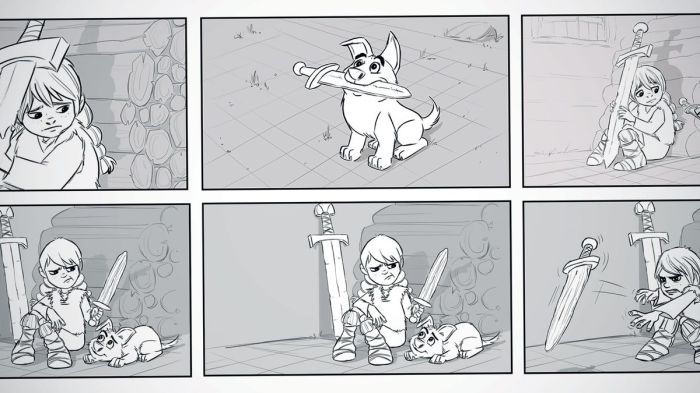
Storyboarding is a powerful tool for visualizing and planning educational content, ensuring a cohesive and engaging learning experience. Effective implementation requires a structured approach, careful consideration of potential challenges, and a robust evaluation process. This section details a practical guide to integrating storyboards into your educational content development, addressing potential hurdles, and emphasizing the importance of iterative refinement.
Integrating Storyboards into the Educational Content Development Process offers a systematic approach to creating effective educational materials. A step-by-step guide ensures a smooth and efficient workflow, maximizing the benefits of this visual planning tool.
Step-by-Step Guide for Storyboard Integration
A well-defined process is crucial for successful storyboard implementation. This step-by-step guide Artikels the key stages involved in integrating storyboards into your educational content creation workflow.
- Define Learning Objectives: Clearly articulate the specific knowledge, skills, or attitudes students should acquire after engaging with the content. This forms the foundation for your storyboard.
- Target Audience Analysis: Understand your learners’ prior knowledge, learning styles, and preferences. This informs the design of your storyboard, ensuring its relevance and accessibility.
- Storyboard Creation: Develop a visual representation of your content, outlining each scene, including visuals, narration, and interactive elements. Consider using software or even hand-drawn sketches.
- Review and Feedback: Share the storyboard with colleagues, subject matter experts, or even potential learners for feedback. This collaborative process ensures accuracy and effectiveness.
- Content Development: Based on the approved storyboard, create the actual educational content, incorporating the visuals, narration, and interactive elements Artikeld in the storyboard.
- Pilot Testing: Test the developed content with a small group of learners to identify any areas needing improvement or refinement.
- Revision and Refinement: Incorporate feedback from the pilot testing and make necessary adjustments to the content based on the results.
Challenges and Solutions in Using Storyboards for Educational Content
While storyboarding offers numerous benefits, certain challenges may arise during implementation. Addressing these proactively ensures a smoother process and a higher-quality final product.
- Time Constraints: Creating detailed storyboards can be time-consuming. Solution: Prioritize key scenes and focus on core learning objectives. Use simpler storyboarding techniques for less critical sections.
- Lack of Design Skills: Developing visually appealing and effective storyboards requires some design skills. Solution: Utilize user-friendly storyboard software or collaborate with a graphic designer.
- Resistance to Change: Some educators may be hesitant to adopt new methods. Solution: Provide training and demonstrate the benefits of storyboarding through successful examples.
- Maintaining Consistency: Ensuring consistent visual style and messaging across the entire storyboard can be difficult. Solution: Develop a style guide and use templates to maintain uniformity.
Feedback and Iteration in Refining Educational Storyboards
Continuous feedback and iteration are crucial for creating effective educational storyboards. This iterative process ensures the storyboard aligns with learning objectives and engages the target audience.
Regular feedback loops, incorporating input from various stakeholders, are vital. This iterative approach ensures alignment with learning objectives and audience engagement. For instance, feedback from pilot testing might reveal that a particular scene is confusing or fails to engage learners. This feedback informs revisions, leading to a more effective learning experience.
Checklist for Evaluating Educational Storyboards
A structured evaluation process ensures the storyboard meets the required standards of clarity, engagement, and learning outcomes. This checklist provides a framework for a comprehensive assessment.
| Criterion | Excellent | Good | Needs Improvement |
|---|---|---|---|
| Clarity of Learning Objectives | Clearly stated and easily understood. | Mostly clear, minor ambiguities. | Unclear or missing learning objectives. |
| Visual Appeal and Engagement | Visually engaging and stimulating; appropriate for target audience. | Mostly engaging, some areas could be improved. | Visually unappealing or inappropriate for target audience. |
| Logical Flow and Sequencing | Logical and coherent sequence of scenes. | Mostly logical, minor sequencing issues. | Disjointed or illogical sequence of scenes. |
| Accuracy and Completeness | Accurate and complete representation of content. | Mostly accurate, minor inaccuracies or omissions. | Significant inaccuracies or omissions. |
| Accessibility and Inclusivity | Accessible and inclusive for all learners. | Mostly accessible, minor accessibility issues. | Significant accessibility barriers. |
Concluding Remarks
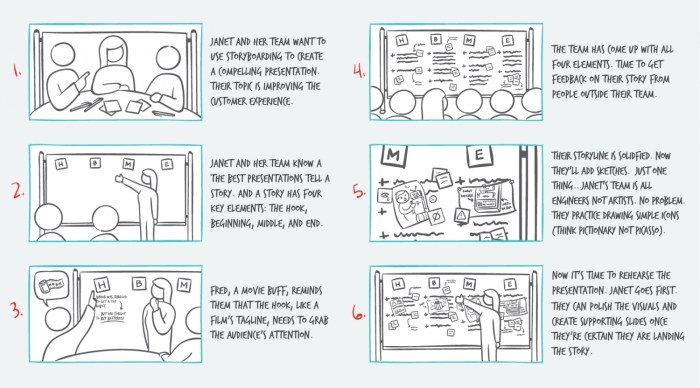
Mastering the art of storyboarding for educational content significantly enhances the learning process. By thoughtfully planning the visual and narrative flow, you can create materials that are not only informative but also engaging and memorable for your students. Remember to iterate and seek feedback throughout the process to refine your storyboards and maximize their impact. Through careful consideration of learning styles, effective use of visuals, and a clear narrative structure, your storyboards can transform complex information into easily digestible and impactful learning experiences.