Mastering the art of storyboarding action sequences requires a keen eye for visual storytelling and a deep understanding of movement and pacing. This guide delves into eight essential tips, transforming your static panels into dynamic narratives filled with impactful action and emotion. From meticulous pre-visualization to seamlessly integrating sound design, we’ll explore techniques to elevate your action scenes to a new level of cinematic excitement.
Whether you’re a seasoned animator or just starting out, these tips will provide a practical framework for crafting compelling action sequences that captivate your audience. We’ll cover planning, character movement, visual effects integration, and more, providing concrete examples and actionable advice to help you bring your action scenes to life.
Planning & Pre-Visualization
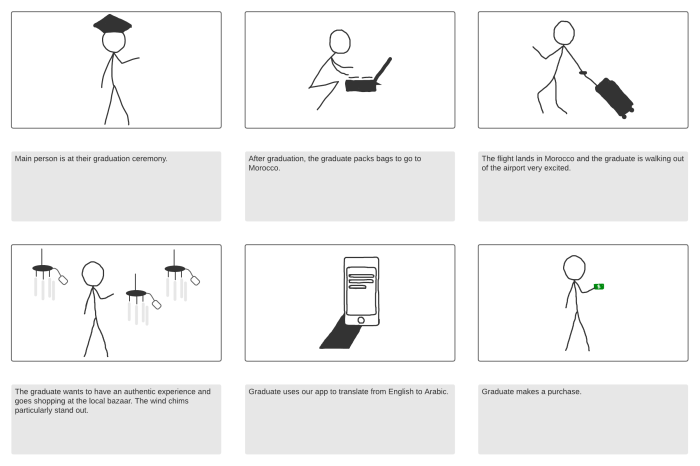
Effective storyboarding of action sequences relies heavily on meticulous planning and pre-visualization. Before a single panel is drawn, a clear understanding of the action, the characters involved, and the desired emotional impact is crucial. This phase involves not just outlining the plot points but also visualizing the scene’s flow, pacing, and visual storytelling elements.
Pre-visualization helps anticipate potential challenges, streamline the production process, and ensures a cohesive and impactful final product. It’s the foundation upon which a successful action sequence is built.
Storyboard Layout: Fight Scene Camera Angles
A well-planned fight scene utilizes diverse camera angles to enhance the dynamism and clarity of the action. Consider a scene where two characters, Alex and Ben, engage in a hand-to-hand combat. The storyboard might begin with a wide shot establishing the environment – a dimly lit alleyway. Then, a medium shot shows Alex throwing the first punch, followed by a close-up on Ben’s face registering surprise. A low angle shot from Ben’s perspective emphasizes Alex’s power. A high angle shot, during a moment of Alex being momentarily on the defensive, shows his vulnerability. Finally, a fast-paced series of alternating close-ups and medium shots showcase rapid exchanges of blows, culminating in a wide shot showing the final outcome. This varied approach prevents monotony and keeps the viewer engaged.
Chase Sequence Description: Character Movements and Environmental Obstacles
Imagine a chase sequence featuring a thief, escaping through a bustling marketplace. The thief, agile and quick, weaves through a crowded street, dodging vendors’ stalls and shoppers. The pursuing officer, initially maintaining a steady pace, is forced to slow down and navigate obstacles such as overturned carts and spilled produce. The storyboard would depict the thief utilizing parkour-like movements – leaping over obstacles, sliding under low-hanging awnings, and using the environment to his advantage. The officer, meanwhile, is shown using more direct routes, occasionally stumbling or being momentarily hindered. The scene’s tension builds as the distance between them fluctuates, creating a sense of urgency and suspense. The marketplace’s chaotic nature, with its throngs of people and numerous obstacles, is crucial in establishing the scene’s high-stakes environment.
Visual Storytelling Techniques for Action Scenes
Visual storytelling is paramount in action sequences. Techniques like dynamic composition, leading lines, and color palettes can significantly enhance the impact. For instance, the use of diagonal lines can create a sense of movement and energy. Leading lines, such as a street extending into the distance during a chase, can guide the viewer’s eye and create a sense of depth. A shift in color saturation – perhaps a sudden burst of bright red during a violent moment – can amplify the emotional impact. Similarly, the use of shadows and lighting can create suspense and highlight key moments, adding depth and complexity to the scene’s narrative. These techniques work in conjunction to build a visceral and engaging experience for the audience.
Panel Size and Composition for Dynamic Movement and Tension
Panel size directly influences the pacing and emphasis within an action sequence. Larger panels can slow down the action, allowing viewers to absorb details and appreciate the characters’ expressions. Smaller panels, conversely, accelerate the pace, suggesting rapid movements and heightened tension. For example, a large panel showing a character poised before a decisive move can create anticipation. A series of small panels depicting a flurry of blows during a fight communicates the intensity and speed of the combat. Composition also plays a crucial role; placing the character off-center in a panel can create visual interest and a sense of imbalance, reflecting the chaotic nature of the action. The strategic use of both size and composition creates a dynamic and engaging visual narrative.
Action Staging & Character Movement

Effective action staging and character movement are crucial for conveying the energy and impact of a sequence. A well-staged action scene not only shows *what* is happening but also *how* it feels, enhancing the emotional resonance of the narrative. The key lies in understanding how to use both static poses and dynamic lines to illustrate movement and emotion.
Understanding the nuances of character movement allows storyboards to transcend mere depictions of events and instead become powerful tools for communicating the emotional core of the action. This involves understanding the interplay between poses, line of action, and body language.
Depicting Character Movement: Static Poses and Dynamic Action Lines
Static poses, while seemingly simple, can be surprisingly effective in conveying a sense of action when used strategically. A strong, well-defined pose can freeze a moment of peak action, emphasizing the character’s strength, tension, or vulnerability. However, relying solely on static poses can lead to a static feel. This is where dynamic action lines come in. Action lines, often depicted as blurred lines or streaks, suggest motion and momentum, adding a sense of speed and fluidity to the sequence. They can be used to show the character’s trajectory, the impact of a blow, or the force of an explosion. The most effective approach often involves a combination of both: using static poses to highlight key moments and action lines to bridge the gaps and suggest movement between those poses.
Showcasing a Character’s Emotional State Through Body Language
A character’s emotional state is rarely expressed solely through dialogue. Body language plays a crucial role, subtly communicating fear, determination, anger, or exhaustion. In an action sequence, subtle shifts in posture, facial expressions, and even the way a character holds their weapon can significantly impact the viewer’s understanding of their emotional journey. For instance, a character’s hunched posture and guarded stance might indicate fear, while a wide stance and clenched fists suggest aggression. Careful attention to these details in your storyboard panels can greatly enrich the narrative and deepen the audience’s connection with the character.
Storyboard Panel: Complex Acrobatic Move
Imagine a panel depicting a character executing a backflip kick. The panel would show three key poses. The first pose shows the character in mid-air, legs bent at a 90-degree angle, body arched backward, with the arms extended for balance. This pose captures the peak of the upward motion. The second pose shows the character at the apex of the backflip, body momentarily straight, before the downward motion begins. This pose showcases the character’s control and balance. The third pose shows the character’s legs extending downward as they begin their landing, one leg leading for impact absorption, and the other following. This pose shows the impact and the transition back to a stable position. The action lines surrounding the character would be blurred and dynamic, emphasizing the speed and fluidity of the move.
Storyboard Panels: Sword Fight Sequence
This sequence would comprise a series of panels showing a rapid exchange. Panel 1: Character A lunges forward, sword raised for a high strike, while Character B is in a defensive posture, sword held high. Panel 2: Character B parries Character A’s strike, their swords clashing. Panel 3: Character B swiftly counters with a low sweep, Character A reacting defensively. Panel 4: Character A blocks the sweep, stumbling slightly, creating an opening. Panel 5: Character B capitalizes on the opening, delivering a decisive thrust. The timing and flow are crucial here. Each panel depicts a distinct moment in the fight, showcasing the rhythm of attacks and defenses, building tension, and culminating in a satisfying resolution. The use of dynamic action lines around the swords would emphasize the speed and force of the blows.
Visual Effects & Sound Design Integration
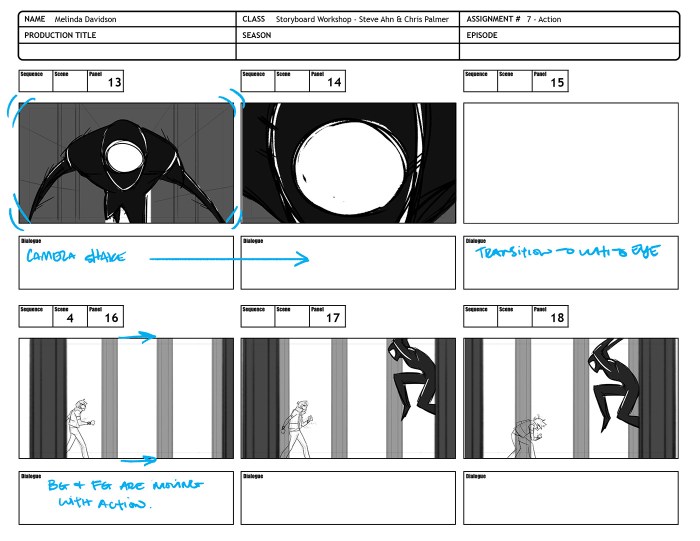
Storyboarding action sequences isn’t just about the visuals; it’s about crafting a cohesive experience that leverages both sight and sound. Effective integration of visual effects (VFX) and sound design elevates the impact of your action, making it more visceral and engaging for the viewer. This section explores techniques for seamlessly blending these elements into your storyboard.
Visual effects, like explosions or slow-motion, should be planned meticulously within the storyboard. They aren’t mere additions; they are integral parts of the narrative, emphasizing key moments and enhancing the emotional resonance. Think of slow-motion as a tool to highlight a crucial detail, a fleeting expression, or a powerful impact. Conversely, a rapid montage can create a sense of urgency and chaos. Explosions, gunfire, and other high-impact effects require careful consideration of their scale, intensity, and placement within the frame to avoid overwhelming the scene or detracting from the action’s core elements. Storyboard panels should clearly indicate the type, extent, and timing of each VFX element, providing clear visual cues for the VFX team.
Visual Effects Implementation
Storyboard panels should clearly depict the desired visual effects. For instance, an explosion might be represented by a burst of light and debris, with annotations indicating the size and intensity. Slow-motion sequences should be explicitly marked, perhaps with a notation like “SLOW MOTION” across the panel, along with a description of the specific action to be slowed. Similarly, digital effects, such as bullet trails or energy blasts, should be sketched or represented symbolically, with clear annotations specifying their characteristics. Remember, clarity is key; the more precise your storyboard, the easier it will be for the VFX team to realize your vision.
Sound Design Integration Table
Sound effects play a crucial role in enhancing the impact of action sequences. They amplify the emotional response and provide a layer of realism that visual elements alone can’t achieve. The following table demonstrates how different sound effects can be used to enhance specific actions:
| Action | Sound Effect | Description | Impact |
|---|---|---|---|
| Punch | Blunt impact | A deep, resonant thud | Emphasizes the force and physicality of the blow |
| Gunshot | Sharp crack, followed by echo | A high-pitched crack, followed by a reverberation depending on the environment | Creates a sense of danger and immediate threat |
| Car Crash | Crushing metal, screeching tires, breaking glass | A cacophony of sounds reflecting the severity of the impact | Heightens the intensity and visceral impact of the collision |
| Sword Clash | Metallic clang, sharp ringing | A sharp, ringing sound with metallic overtones | Adds a sense of weight and impact to the fight |
Visual Cues for Sound Effects
Visual cues are essential for conveying sound effects, particularly in a storyboard where sound isn’t directly audible. A gunshot, for instance, might be represented by a small starburst or a line indicating the trajectory of the bullet, combined with an annotation specifying the “Gunshot” sound effect. The visual cue provides context and enhances the understanding of the action sequence. Similarly, a visual representation of a shattering window – cracks radiating outward – would effectively communicate the associated sound effect. These visual cues provide a bridge between the visual and auditory aspects of the scene, creating a richer and more immersive experience for the viewer.
Visual Metaphors for Abstract Sounds
Abstract sounds, such as a sonic boom or a powerful magical incantation, require creative visual metaphors in the storyboard. A sonic boom might be depicted by a visual representation of a shockwave, a ripple effect expanding outwards from the source. The intensity of the boom could be conveyed by the size and strength of the visual representation. For a magical incantation, consider visual elements such as swirling energy, glowing runes, or a distortion of the surrounding environment. These visual metaphors help to ground abstract sounds in the visual language of the storyboard, making them more comprehensible and engaging.
Epilogue
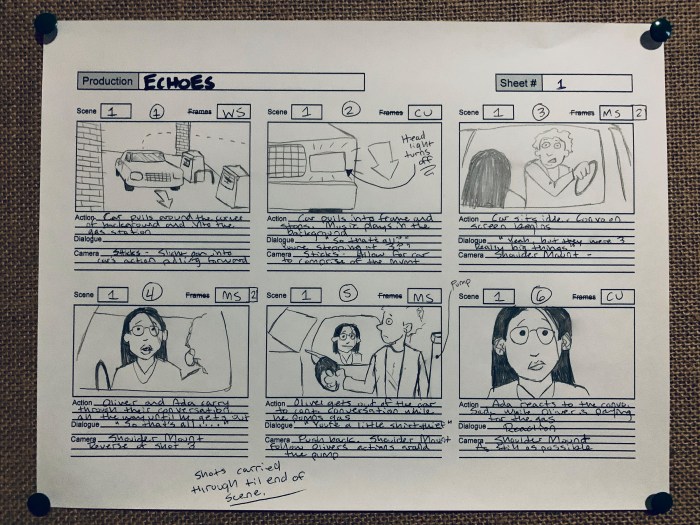
Storyboarding action sequences effectively is a blend of meticulous planning, creative visualization, and technical understanding. By carefully considering camera angles, character movements, and the integration of visual and sound effects, you can transform your storyboard from a simple Artikel into a powerful tool for creating dynamic and engaging action scenes. Remember, the key is to create a clear and compelling visual narrative that keeps the audience on the edge of their seats. Practice these tips, experiment with different approaches, and watch your action scenes come alive!