Crafting compelling documentaries requires a strong visual narrative, and storyboarding is the key. This guide delves into the art of storyboarding specifically for documentary filmmaking, offering practical advice and techniques to help you effectively plan your shots, structure your narrative, and ultimately, create a more impactful film. We’ll explore the nuances of documentary storyboarding, contrasting it with fiction filmmaking, and provide actionable steps to translate your vision onto the page—or screen.
From outlining your narrative arc to choosing the right storyboard style and utilizing available software, we’ll equip you with the tools to streamline your documentary production. We will also address the unique challenges posed by the unpredictable nature of documentary shoots and provide solutions for incorporating real-world elements into your pre-production planning. By the end, you’ll be ready to transform your documentary concept into a visually engaging and narratively cohesive masterpiece.
Understanding Documentary Storyboarding Fundamentals
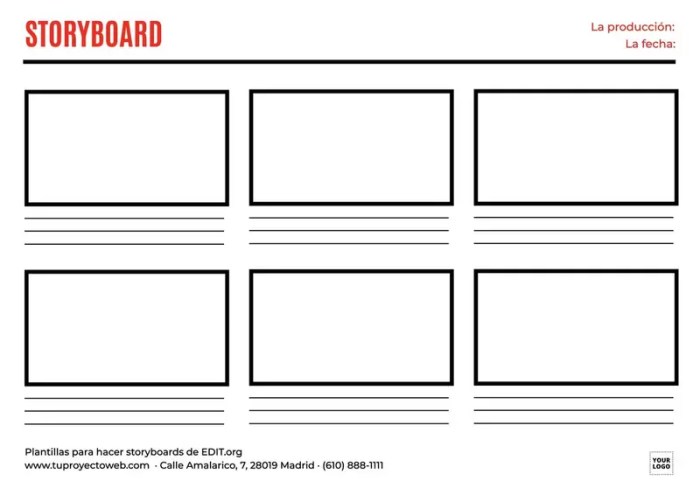
Storyboarding is a crucial pre-production step for both fiction and documentary filmmaking, helping to visualize the narrative and plan the shoot effectively. However, the approach differs significantly between these two genres. Fiction storyboards meticulously plan every shot, often adhering closely to a pre-written script. Documentary storyboards, conversely, are more flexible and adaptable, serving as a guide rather than a rigid blueprint. They allow for improvisation and the incorporation of unexpected events that often unfold during filming.
Documentary storyboarding focuses on capturing the essence of the story, emphasizing the emotional arc and the flow of information. It’s a tool for organizing thoughts, visualizing interviews, and planning sequences, ensuring a coherent and compelling narrative. The process allows filmmakers to anticipate challenges and streamline production, ultimately saving time and resources.
Core Differences Between Fiction and Documentary Storyboarding
Fiction films often utilize detailed storyboards with precise camera angles, shot compositions, and actor movements, mirroring the scripted narrative. Documentary storyboards, in contrast, are more fluid and suggestive. They might Artikel key interview moments, anticipated visuals, or the desired emotional tone of a scene, leaving room for spontaneity and discovery during filming. This flexibility is crucial for adapting to the unpredictable nature of documentary shoots. While a fiction film might storyboard a specific reaction shot from an actor, a documentary might storyboard a more general concept, like “Interviewee reflects on childhood,” leaving the exact visual execution to be determined during filming.
Essential Elements of a Documentary Storyboard Panel
Each panel should concisely convey the visual and audio aspects of a particular shot or sequence. Essential elements include a visual representation (a sketch, photo, or even a simple description), a brief description of the scene’s content, and notes on the desired audio. Additionally, including camera angles, shot type (wide, medium, close-up), and any relevant movement (e.g., zoom, pan) adds valuable detail. The goal is to capture the essence of the scene, guiding the crew during filming and helping maintain consistency throughout the documentary.
Sample Storyboard Panel: Interview Sequence
Let’s imagine a panel depicting an interview with a war veteran.
Visual: A simple sketch of the veteran sitting in a comfortable chair, facing the camera. The background is suggested with a few lines representing a dimly lit room. The camera is indicated as a slightly low angle shot, emphasizing the veteran’s stature and experience.
Audio: “Veteran reflects on his experiences during the war, voice slightly trembling at times. Sound of quiet background ambience.”
Description: Medium shot, low angle. Veteran recounts a pivotal moment in his wartime experiences, exhibiting emotional vulnerability. Focus on his facial expressions and body language.
Comparison of Documentary Storyboard Styles
Different styles of storyboarding can be beneficial depending on the filmmaker’s needs and the documentary’s style. A streamlined approach might suffice for some documentaries, while others might benefit from highly detailed visuals.
| Storyboard Style | Description | Pros | Cons |
|---|---|---|---|
| Shot List | A simple list of shots with brief descriptions. | Quick and efficient for basic planning. | Lacks visual detail and may not capture the overall flow. |
| Detailed Sketch | Includes detailed drawings, camera angles, and shot composition. | Provides a clear visual representation of the scene. | Time-consuming and requires artistic skill. |
| Photo-Based | Uses photographs as a base for planning shots and compositions. | Provides a realistic visual reference. | Requires access to relevant photography. |
| Hybrid Approach | Combines elements of different styles, using sketches for key scenes and lists for simpler shots. | Offers a balance between detail and efficiency. | Requires careful planning to ensure consistency. |
Developing a Compelling Narrative Through Storyboards
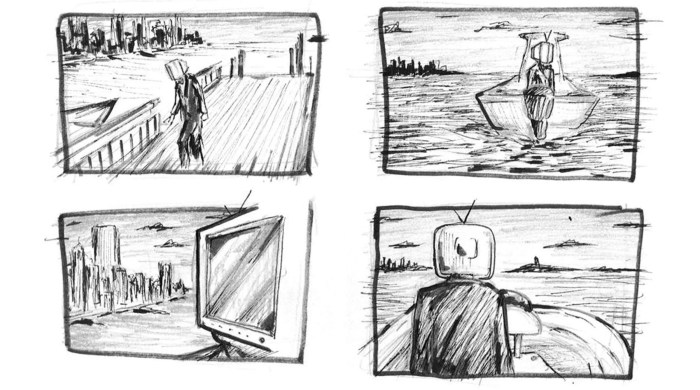
Storyboarding for documentaries isn’t just about visualizing shots; it’s about crafting a compelling narrative that resonates with the audience. A well-structured storyboard guides the editing process, ensuring a clear and emotionally impactful film. It allows for pre-visualization of pacing, tone, and the overall flow of the story, ultimately enhancing the documentary’s effectiveness.
A strong documentary narrative, even before storyboarding, requires a solid foundation. This involves careful planning and structuring of the information. A clear understanding of the central theme and the intended message is crucial. This stage focuses on building a narrative arc that engages the audience from beginning to end.
Outlining a Documentary Narrative Before Storyboarding
Before putting pencil to paper (or finger to tablet), meticulously Artikel your documentary’s narrative. This involves several key steps: First, define your central theme and the core message you want to convey. Second, identify the key events, characters, and supporting evidence that will support this theme. Third, arrange these elements chronologically or thematically to create a logical sequence. Finally, consider the emotional arc you want to create, identifying moments of tension, revelation, and resolution. For example, a documentary about climate change might begin with a visually striking image of a melting glacier, building tension through interviews with affected communities and scientists, and concluding with a call to action, offering a hopeful yet realistic perspective. This structured approach ensures that the storyboard accurately reflects the intended narrative flow.
Effective Visual Storytelling Techniques in Documentary Storyboards
Documentary storyboards benefit from a variety of visual storytelling techniques. Juxtaposition, for instance, can be powerfully employed to compare and contrast different perspectives or situations. A storyboard panel showing a bustling city could be immediately followed by a panel of a desolate landscape impacted by pollution, visually highlighting the contrast. Similarly, the use of close-ups can create intimacy and emotional connection with the subjects, while wide shots can establish context and scale. Consider using a series of close-up shots on a farmer’s weathered hands, followed by a wide shot of his vast, drought-stricken field, to convey the devastating impact of climate change. This layered approach allows for nuanced and impactful storytelling.
Visually Representing Abstract Concepts or Complex Information
Representing abstract concepts or complex information in a storyboard requires creative problem-solving. Metaphors and visual analogies can be particularly effective. For instance, a documentary about the complexities of the financial system might use a maze or a complex web to visually represent its intricacies. Charts and graphs, simplified for visual clarity, can also be incorporated, although it’s important to ensure they are easily understandable within the context of the storyboard. Consider using a series of increasingly complex diagrams to illustrate the growth of a company, progressing from a simple line graph to a more intricate organizational chart. Remember, simplicity and clarity are key; the goal is to convey information effectively, not to overwhelm the viewer.
Storyboarding a Narrative Arc: Building Tension and Emotional Impact
A well-structured storyboard should visually depict a narrative arc, building tension and emotional impact throughout the documentary. This is achieved by carefully sequencing shots to create a sense of rising action, climax, and resolution. For example, a documentary about a social justice movement might begin with establishing shots of peaceful protests, then progress to increasingly tense scenes of police intervention, culminating in a powerful image of a significant victory or a poignant reflection on the ongoing struggle. The storyboard should visually guide the viewer through this emotional journey, ensuring that the pacing and visual elements effectively enhance the narrative. Careful consideration of shot composition, framing, and the use of visual metaphors are crucial to achieving this impact.
Practical Tips for Efficient Documentary Storyboarding
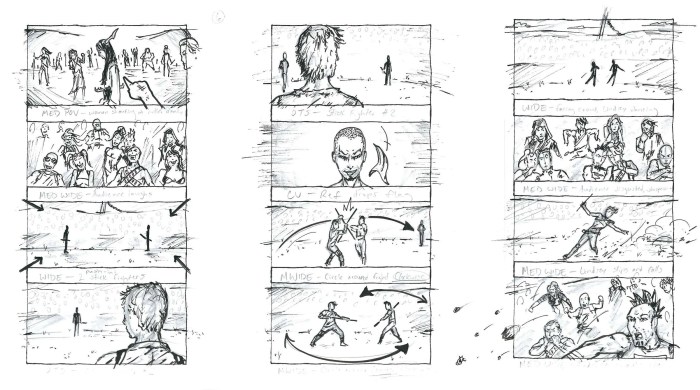
Storyboarding for documentaries presents unique challenges compared to narrative filmmaking. The fluid, often unpredictable nature of documentary production necessitates adaptable strategies and efficient workflows. This section will explore practical tips to streamline your documentary storyboarding process, maximizing its effectiveness while minimizing wasted time and effort.
Storyboard Software and Methods: Digital vs. Paper
The choice between digital and paper storyboarding depends largely on personal preference and project needs. Digital storyboarding software offers advantages in terms of revision ease, collaboration, and integration with other production tools. Programs like Storyboarder, Adobe Photoshop, and even PowerPoint can be effectively used. They allow for quick adjustments, easy sharing with the team, and the potential to incorporate video clips or audio notes directly into the storyboard. Conversely, paper storyboarding provides a tactile experience that some find more conducive to creative brainstorming. Sketching quickly on paper can allow for faster ideation and a less rigid approach to visualization. Ultimately, the best method is the one that best suits your workflow and creative process. Consider experimenting with both to find what works best for you.
Addressing Unpredictability in Documentary Storyboarding
Documentaries inherently involve a degree of uncertainty. Unexpected events, changes in interview direction, or newly discovered footage can disrupt even the most meticulously planned storyboard. To mitigate this, it’s crucial to build flexibility into your storyboard. Instead of rigidly adhering to a specific shot list, focus on key narrative moments and emotional beats. Use placeholder frames to represent sections where the final footage is yet to be determined. Label these placeholders clearly, noting the intended purpose or content. For example, a placeholder might be labeled “Interview: Subject X reflects on childhood trauma,” leaving space for specific shots to be added once the interview is completed and reviewed. This approach allows for adaptation without requiring a complete storyboard overhaul.
Integrating Location Scouting Notes and Interview Transcripts
Integrating information gathered during location scouting and interviews is crucial for a cohesive and accurate storyboard. Location scouting notes can be incorporated directly into the storyboard by sketching the intended shot composition, noting relevant lighting conditions, and indicating potential obstacles. For example, a sketch might show a wide shot of a bustling marketplace, noting “bright sunlight, potential for crowd noise.” Similarly, interview transcripts can be invaluable. By annotating your storyboard with key quotes or emotional moments from the transcripts, you can visually link specific shots to their narrative context. This ensures that your visual plan aligns with the narrative flow revealed during the interviews.
Documentary Storyboard Review Checklist
Before finalizing your storyboard, a thorough review is essential. This checklist can ensure a polished and effective visual plan:
- Narrative Flow: Does the storyboard tell a clear and compelling story? Are the transitions smooth and logical?
- Visual Consistency: Are the shots consistent in style and tone? Do they effectively convey the desired mood and atmosphere?
- Shot Variety: Is there a sufficient variety of shots (wide, medium, close-up) to maintain viewer engagement?
- Technical Feasibility: Are the shots realistically achievable given the available resources and time constraints?
- Accuracy: Does the storyboard accurately reflect the content of the interviews and location scouting notes?
- Clarity: Is the storyboard easy to understand and follow for all members of the production team?
Final Review
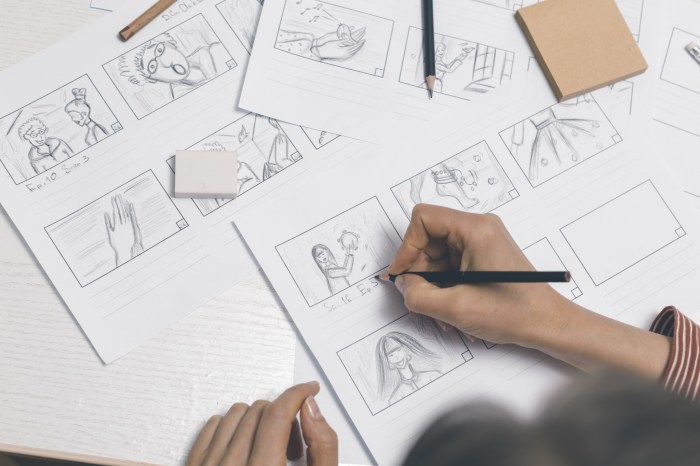
Mastering documentary storyboarding isn’t just about sketching out shots; it’s about crafting a compelling visual narrative that complements your documentary’s message. By understanding the core principles, adapting to the unique challenges of documentary filmmaking, and utilizing efficient methods, you can elevate your filmmaking process significantly. Remember to iterate, refine, and most importantly, let your storyboard serve as a dynamic roadmap guiding you towards a powerful and unforgettable cinematic experience. The time spent meticulously planning your shots will undoubtedly translate into a more efficient and effective production.