Mastering the art of comic book storyboarding is key to crafting compelling narratives. This guide delves into the essential techniques, from understanding fundamental panel composition and sequencing to employing visual storytelling strategies that elevate your work. We’ll explore the unique aspects of comic book storyboarding, contrasting it with filmmaking techniques, and providing practical tips for creating dynamic and engaging visuals.
Through clear explanations and practical examples, you’ll learn how to effectively convey emotion, build suspense, and guide the reader’s eye through your story. Whether you’re a seasoned artist or just starting out, these ten tips will significantly enhance your ability to translate your ideas into powerful visual narratives.
Understanding the Fundamentals of Storyboarding for Comics
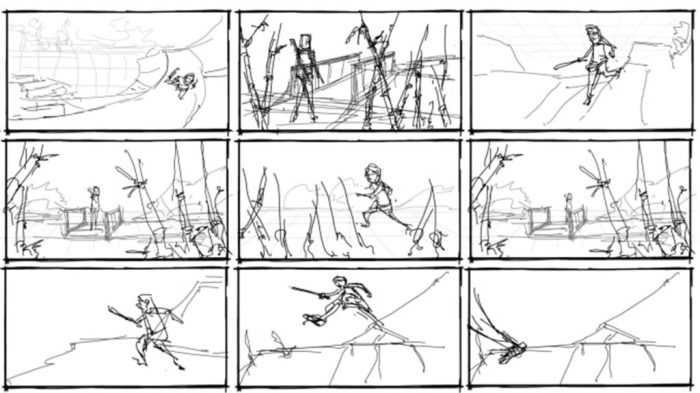
Storyboarding for comics, while sharing similarities with film storyboarding, possesses unique characteristics crucial for effectively translating a narrative into the sequential art form. Understanding these fundamentals allows for clear communication of the story’s pacing, visual style, and emotional impact. This section will explore the key elements of comic book storyboarding, offering practical guidance for creating compelling visual narratives.
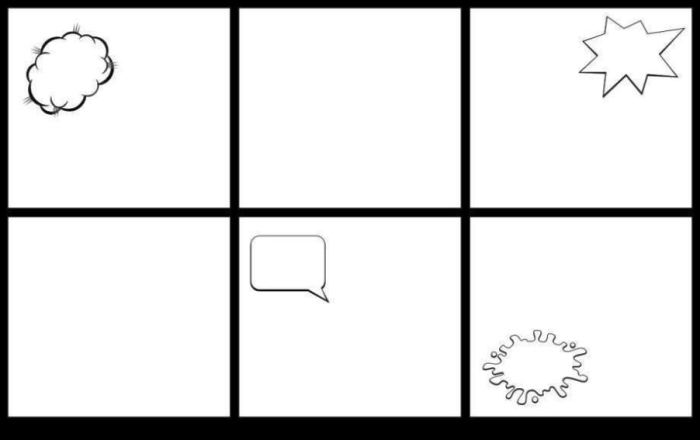
A comic book storyboard panel functions as a miniature representation of a single page or a portion of a page. Each panel should contribute to the overall flow and rhythm of the story. Effective composition, precise dialogue placement, and dynamic action lines are essential elements. The composition within each panel guides the reader’s eye, emphasizing key elements and creating visual interest. Dialogue placement should be clear and unobtrusive, enhancing readability without disrupting the visual flow. Action lines, when used judiciously, enhance the sense of movement and energy within the panel.
Comic Book Storyboard Panel Elements
A well-designed comic book storyboard panel considers several key factors. Composition involves arranging elements within the panel to create visual balance and guide the reader’s eye. This often involves the rule of thirds, leading lines, and focal points. Dialogue is typically placed within word balloons, carefully positioned to avoid cluttering the artwork or obscuring important details. Action lines, short, dynamic lines indicating movement, add a sense of energy and clarity to the action depicted. These elements work together to create a cohesive and engaging visual narrative within the confines of each panel.
Creating a Thumbnail Sketch for a Comic Book Page
Creating a thumbnail sketch is the first step in planning a comic book page. This process involves rapidly sketching out the layout of the page, focusing on the overall composition and panel arrangement before delving into detailed artwork. This allows for quick iteration and adjustments to the pacing and visual flow of the story.
- Establish the Page’s Layout: Begin by lightly sketching the overall dimensions of the page and roughly dividing it into potential panel areas.
- Panel Arrangement: Determine the number and size of panels, considering the pacing and importance of each scene. Experiment with different panel arrangements to find the most effective visual rhythm.
- Thumbnail Sketches: Within each panel area, create very rough sketches of the key action or dialogue. Focus on the essential elements and composition, not detailed artwork.
- Review and Refine: Step back and assess the overall flow and visual impact of the page. Make adjustments to panel sizes, arrangement, and content as needed to improve the narrative’s clarity and impact.
- Incorporate Dialogue and Captions: Add rough indications of dialogue placement and captions to further refine the page layout.
Storyboarding a Character’s Emotional Reaction
This example demonstrates conveying emotion without explicitly showing the character’s face. The focus is on body language and environmental details to express the character’s internal state.
Panel Description: The panel depicts a lone figure standing amidst a field of wilted flowers, their back to the viewer. The figure’s shoulders are slumped, their arms hanging loosely at their sides. The setting sun casts long, somber shadows, mirroring the character’s internal state. A gentle breeze rustles the withered petals, creating a sense of fragility and loss. The overall tone is one of profound sadness and despair, conveyed through the character’s posture, the environment, and the subtle movement of the wind.
Differences Between Film and Comic Book Storyboarding
While both mediums utilize storyboards to plan visuals, significant differences exist. Film storyboards focus on camera angles, shot composition, and movement within a continuous flow. Comic book storyboards emphasize panel arrangement, sequential storytelling, and the visual impact of individual panels. Film storyboards often incorporate detailed descriptions of camera movement and lighting, whereas comic book storyboards prioritize the visual narrative within the constraints of the page layout and panel design.
Developing Effective Storyboard Layouts and Panel Sequencing
Effective storyboard layouts and panel sequencing are crucial for conveying a narrative’s flow and impact in comic books. The arrangement of panels, their size, and their relationship to each other significantly influence the reader’s experience, shaping their understanding of time, space, and emotion within the story. Careful consideration of these elements can elevate a comic from a simple sequence of images to a powerful and engaging visual narrative.
Panel arrangement significantly impacts pacing and reader engagement. Different approaches offer unique storytelling possibilities.
Grid Layouts and Their Impact on Storytelling
Grid layouts, characterized by consistent panel sizes and arrangements, often create a sense of order and predictability. This can be effective for establishing routine or building suspense through a slow, methodical unfolding of events. A tightly structured grid might emphasize the mundane or the claustrophobic, while a looser grid can provide a sense of openness and freedom. Conversely, irregular grid layouts, with varying panel sizes and shapes, can disrupt this predictability, creating visual interest and highlighting specific moments or emotions. A large panel might emphasize a dramatic moment, while smaller panels could depict fleeting thoughts or background details. Consider a scene in a detective novel where a grid layout depicts the methodical search of a crime scene, contrasted with a splash page revealing the killer’s identity. The shift from the orderly grid to the large, impactful splash page immediately alters the pace and emotional weight of the story.
Splash Pages and Their Dramatic Effect
Splash pages, single, large panels that dominate a page, are ideal for dramatic moments, establishing a setting, or introducing a character. Their impact stems from their size and the opportunity for detailed artwork. A splash page showing a vast battlefield before a climactic battle immediately sets the scene and scale of the conflict. However, overuse can lead to a lack of visual dynamism and a monotonous reading experience. The strategic placement of splash pages is therefore essential for maximizing their impact.
Storyboarding a Climactic Fight Scene
Let’s consider a climactic fight scene between two superheroes. The sequence begins with a series of smaller panels showing the initial clash, emphasizing the speed and intensity of the fight using dynamic lines and action poses. As the fight progresses, panels gradually increase in size, culminating in a large panel depicting a decisive blow. Following this, smaller panels illustrate the aftermath, with a final, smaller panel showing the victor standing over the defeated opponent. The pacing is controlled by the panel size and arrangement; smaller panels for fast-paced action, larger panels for impactful moments, and smaller panels again for a slower resolution. This controlled variation keeps the reader engaged and allows for a dynamic visual representation of the scene’s intensity.
Visualizing Internal Monologue Through Panel Composition
To depict a character’s internal monologue, we can use a variety of techniques. One approach involves incorporating smaller panels within larger panels, showing the character’s external actions in the larger panel and their thoughts in smaller, inset panels. Another technique is to use thought bubbles, but these should be used sparingly to avoid cluttering the page. A more subtle approach might involve using visual metaphors within the main panel to represent the character’s internal state; for example, distorted perspectives or surreal imagery could reflect a character’s confusion or distress. Consider a scene where a character is outwardly calm but internally panicking. The main panel might show them speaking to someone, while smaller panels interspersed depict fragmented, anxious images reflecting their inner turmoil.
Refining Rough Sketches into Polished Storyboard Panels
The process of refining rough sketches involves several steps. First, the rough sketches are reviewed to ensure the narrative flow is clear and impactful. Then, the composition of each panel is adjusted to improve readability and visual appeal. Next, the linework is cleaned up, making it sharper and more precise. Finally, basic shading and details are added to enhance the visual quality and convey the mood of the scene. This iterative process allows for the development of clean, professional-looking storyboards from initial, rough ideas. The refinement process mirrors the steps of creating a finished comic page, albeit on a smaller scale.
Visual Storytelling Techniques and Practical Tips
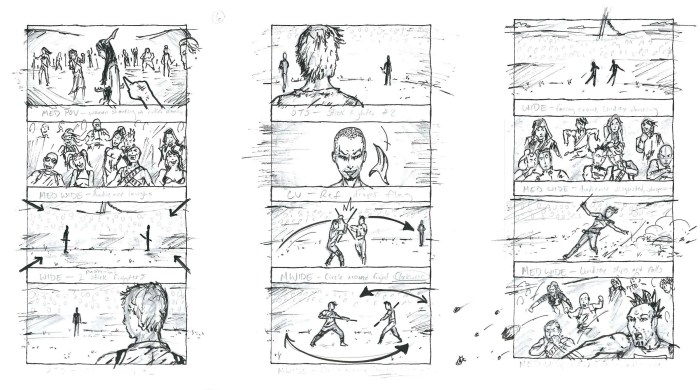
Effective visual storytelling in comic books transcends simply presenting a narrative; it’s about crafting a visceral experience for the reader. Mastering visual techniques allows creators to convey emotion, build suspense, and deepen the reader’s connection with the characters and the story’s world. This section will explore key techniques and practical applications to elevate your comic book storyboarding.
Visual storytelling in comics relies heavily on the interplay between visuals and text. Unlike film, where continuous action is presented, comic books use individual panels to construct a narrative flow. The arrangement, composition, and visual elements within each panel contribute to the overall storytelling experience. Effective use of techniques such as perspective, framing, and symbolism can dramatically impact a reader’s understanding and emotional response to the story.
Examples of Effective Visual Storytelling Techniques
Many popular comic books masterfully utilize visual storytelling. Consider Frank Miller’s *Dark Knight Returns*. Miller’s stark, almost expressionistic style, characterized by heavy blacks and dramatic contrasts, perfectly complements the gritty, noirish tone of the story. The use of exaggerated anatomy and dynamic action sequences enhances the sense of power and violence. In contrast, the intricate linework and vibrant colors of *Scott Pilgrim’s Precious Little Life* by Bryan Lee O’Malley create a distinctly different atmosphere, mirroring the lighthearted and energetic nature of the narrative. The stylistic choices in both examples directly contribute to the reader’s emotional engagement and interpretation of the story. Another excellent example is the use of varied panel sizes and shapes in *Watchmen* by Alan Moore and Dave Gibbons. The panels themselves become a visual narrative element, reflecting the fragmented and complex nature of the story.
Key Elements of a Compelling Comic Book Panel
A compelling comic book panel isn’t just a picture; it’s a carefully constructed microcosm of the story. Several key elements contribute to its effectiveness. Firstly, strong composition is crucial. The arrangement of elements within the panel, guided by principles of visual design, draws the reader’s eye and guides their interpretation. Secondly, the use of line weight and shading adds depth and texture, enhancing the visual impact. A careful balance of negative space also enhances the panel’s overall aesthetic appeal and readability. Finally, the choice of color palette plays a vital role in setting the mood and atmosphere.
Visual Metaphors and Symbolism in Comic Book Storyboarding
Visual metaphors and symbolism are powerful tools for enriching the narrative beyond the literal. A recurring motif, such as a specific object or color, can subtly represent a character’s inner turmoil or foreshadow future events. For instance, a constantly recurring image of a wilting flower could symbolize a character’s deteriorating mental state or a failing relationship. Similarly, the use of specific colors can evoke emotions – red for anger or passion, blue for sadness or tranquility. The skillful use of these elements adds layers of meaning and depth, enhancing the reader’s engagement with the story.
Camera Angles and Perspectives in Storyboard Panels
Different camera angles and perspectives dramatically influence the reader’s perception of the scene and the characters.
- High Angle Shot: A high angle shot, where the camera looks down on the subject, can make a character appear vulnerable, small, or insignificant. Imagine a character standing alone in a vast, empty landscape, viewed from a high angle. This immediately conveys feelings of loneliness and isolation.
- Low Angle Shot: Conversely, a low angle shot, where the camera looks up at the subject, can make a character appear powerful, imposing, or threatening. Consider a villain standing over a defeated hero, viewed from a low angle. The upward perspective accentuates the villain’s dominance and the hero’s defeat.
- Eye-Level Shot: An eye-level shot, where the camera is at the same height as the subject, creates a sense of connection and intimacy. This angle allows for a more neutral and relatable portrayal of the character, facilitating empathy and understanding from the reader.
Last Recap
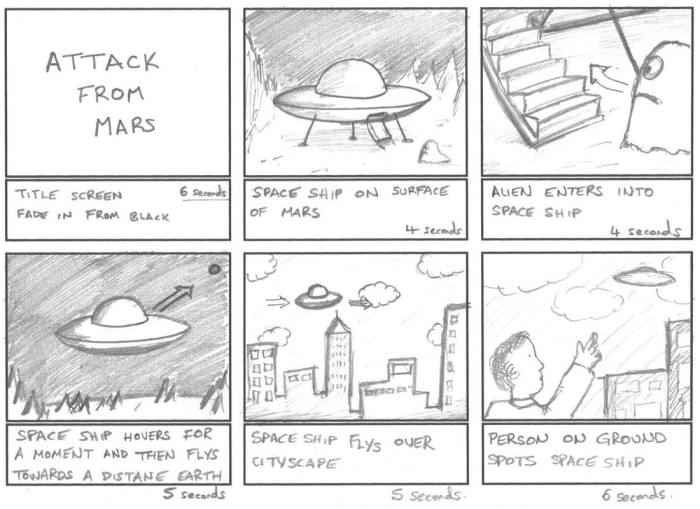
By understanding the fundamental principles of panel composition, effective sequencing, and impactful visual storytelling, you can transform your comic book ideas into dynamic and engaging visual narratives. Remember to experiment with different layouts, perspectives, and visual metaphors to find your unique storytelling voice. With practice and a keen eye for visual detail, you’ll be well on your way to creating captivating comic books that resonate with readers.