Crafting compelling sci-fi films requires a strong visual foundation, and storyboarding is the crucial first step. This guide delves into seven essential tips for creating dynamic and believable sci-fi storyboards, from understanding the genre’s unique visual language to effectively depicting complex action sequences and alien worlds. We’ll explore techniques for visualizing futuristic settings, designing believable alien species, and showcasing innovative technologies, all within the framework of a well-structured storyboard.
By mastering these techniques, filmmakers can translate their imaginative visions into clear, concise visuals that guide the entire production process. This guide will equip you with the tools to bring your sci-fi narratives to life, ensuring your film’s visual storytelling is as captivating as its narrative.
Understanding the Sci-Fi Genre and its Visual Language
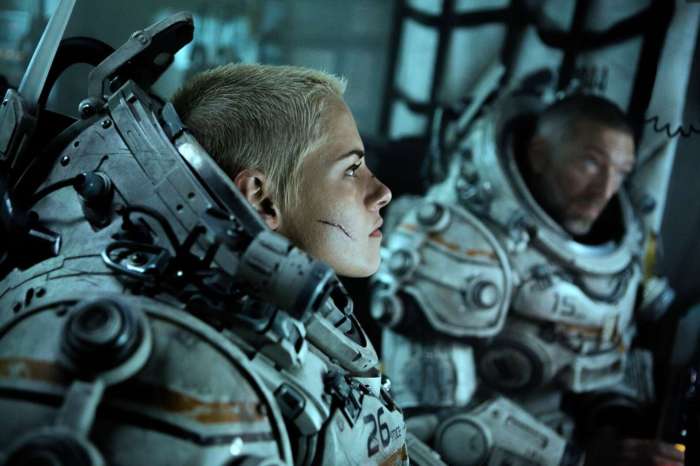
Sci-fi filmmaking relies heavily on visual storytelling to transport audiences to other worlds and explore imaginative concepts. Unlike genres grounded in realism, sci-fi utilizes distinct visual elements to establish its unique atmosphere and convey its themes. Understanding these visual cues is crucial for creating compelling sci-fi storyboards.
Sci-fi’s visual language is characterized by a departure from the familiar. It often involves futuristic technology, unique architectural styles, and otherworldly landscapes. These elements work together to create a sense of wonder, unease, or even dystopian dread, depending on the narrative’s goals. The effective use of lighting and color further enhances these moods, guiding the viewer’s emotional response.
Iconic Sci-Fi Imagery and Their Impact
Iconic sci-fi imagery significantly contributes to the genre’s visual vocabulary. These images, often repeated and reinterpreted across various films, become shorthand for specific themes or technological advancements. For instance, the imposing, towering architecture of Blade Runner 2049’s Los Angeles evokes a sense of overwhelming corporate power and societal decay. The sleek, chrome aesthetic of the spaceship designs in Star Wars represents advanced technology and a sense of adventure. Conversely, the gritty, decaying urban landscapes in films like Mad Max: Fury Road convey a post-apocalyptic world ravaged by environmental collapse and societal breakdown. These visual choices are not arbitrary; they directly impact the audience’s understanding and emotional engagement with the story.
Futuristic Cityscape Storyboard Panel
Imagine a storyboard panel depicting a futuristic cityscape at night. The architecture is a blend of towering, sleek skyscrapers with organic, bioluminescent elements interwoven into their structures. Flying vehicles, resembling sleek, metallic insects, zip between the buildings, leaving trails of neon light. The skyscrapers themselves are composed of reflective materials, creating a dazzling display of light and shadow. Below, the streets are illuminated by holographic advertisements that shimmer and shift, advertising products and services of a technologically advanced society. The overall style is a mixture of Art Deco influences, combined with smooth, bio-organic forms and advanced technological details, reflecting a technologically advanced yet somewhat chaotic urban environment.
Lighting and Color Palettes in Sci-Fi
Lighting and color palettes are essential tools for establishing mood and atmosphere in sci-fi films. Cool blues and greens can evoke feelings of isolation, coldness, or technological sterility, often seen in space-faring scenes or futuristic dystopias. Conversely, warm oranges and yellows can suggest hope, warmth, or a sense of community, often used in scenes showcasing utopian societies or moments of human connection. The use of neon lighting, a staple of cyberpunk aesthetics, creates a gritty, high-contrast environment, highlighting the disparity between the wealthy elite and the struggling masses. In contrast, the use of subdued, muted colors can create a sense of mystery or unease, hinting at hidden dangers or unresolved conflicts. The skillful manipulation of lighting and color significantly impacts the overall tone and emotional resonance of a sci-fi scene.
Storyboarding Techniques for Sci-Fi Action Sequences
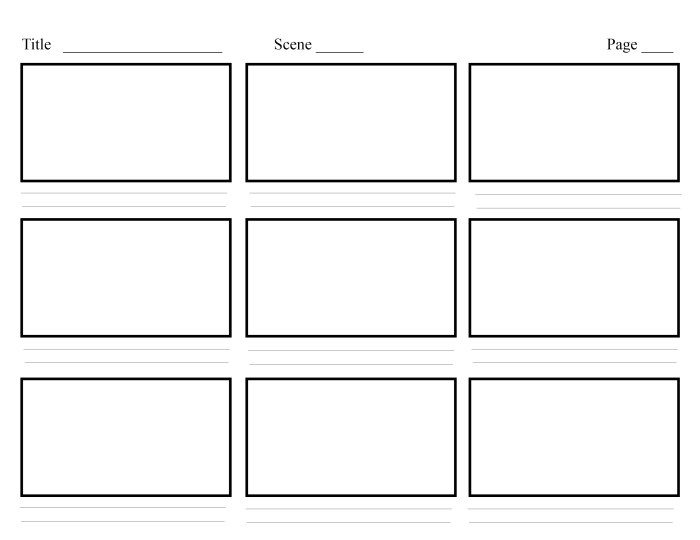
Storyboarding sci-fi action sequences presents unique challenges due to the often fantastical elements and complex visual effects involved. Effective storyboarding in this genre requires a strong understanding of visual storytelling, a clear grasp of the action, and the ability to convey complex ideas in a concise and understandable manner. This section will explore techniques for depicting high-speed chases, visualizing special effects, and building suspense within a climactic battle scene.
Depicting a High-Speed Spaceship Chase
A high-speed spaceship chase can be effectively storyboarded by focusing on dynamic camera angles and clear character movements. Consider starting with a long shot establishing the overall environment, perhaps a nebula or asteroid field. Then, switch to a series of shots from the perspective of the pursuing ship, using fast-paced camera movements to convey speed. Close-ups on the pilot’s face, showing concentration and tension, can add emotional depth. Intercut these shots with shots from the pursued ship, showing damage and the desperate attempts of the crew to evade capture. The sequence should culminate in a dramatic close-up of the two ships as they narrowly miss colliding. For example, panel one could show a wide shot of two spaceships streaking through an asteroid field. Panel two would be a close-up from the cockpit of the pursuing ship, showing the pilot’s tense expression. Panel three could show a shot from behind the pursued ship, emphasizing its damaged engines. The sequence should build tension through careful selection of shots and angles.
Visualizing Complex Special Effects
Visualizing complex special effects in a storyboard requires using clear visual shorthand. Instead of trying to draw incredibly detailed depictions of explosions or energy blasts, focus on conveying the essential elements. For example, use simple shapes and lines to represent energy blasts, indicating their direction and intensity. For explosions, use radiating lines and bursts of light, suggesting the scale and impact. It is important to annotate the storyboard with clear descriptions of the effects, specifying colors, sizes, and special characteristics. Different methods can be used; for instance, a simple sketch with notes might be sufficient for initial planning, while a more detailed rendering might be necessary for complex effects that require precise coordination between different departments. Comparing these methods highlights the trade-off between speed and precision.
Visual Shorthand for Sci-Fi Elements
Effective visual shorthand is crucial for representing sci-fi elements concisely. Energy blasts can be represented by radiating lines or glowing shapes, with annotations indicating their power and color. Explosions can be simplified to bursts of light and debris, focusing on the impact and scale. Alien creatures can be sketched with simplified forms, focusing on key features and silhouettes. Advanced technology can be suggested through glowing interfaces and intricate designs, rather than detailed renderings. The key is to convey the essential information without unnecessary detail, allowing the artist to focus on the overall narrative flow. For example, a simple, jagged line could represent a laser blast, while a circle with radiating lines could depict an energy shield.
Organizing a Storyboard for Suspense and Plot Revelation
Building suspense and revealing key plot points in a climactic battle scene requires careful organization of the storyboard panels. Start with establishing shots that set the scene and introduce the key players. Then, use a series of increasingly intense shots to build tension. Close-ups on characters’ faces can highlight their emotions and internal conflicts. Intercut action shots with moments of quiet reflection to create a sense of anticipation. Crucially, strategically placed panels should reveal key plot points gradually, allowing the audience to piece together the narrative. A well-organized storyboard can build the emotional impact of the battle and leave a lasting impression on the viewer. Consider using a mix of wide shots to show the scope of the battle and close-ups to focus on individual moments of conflict. The pacing of the shots should reflect the intensity of the action, with faster cuts used during more intense moments.
Visualizing Sci-Fi Worlds and Characters
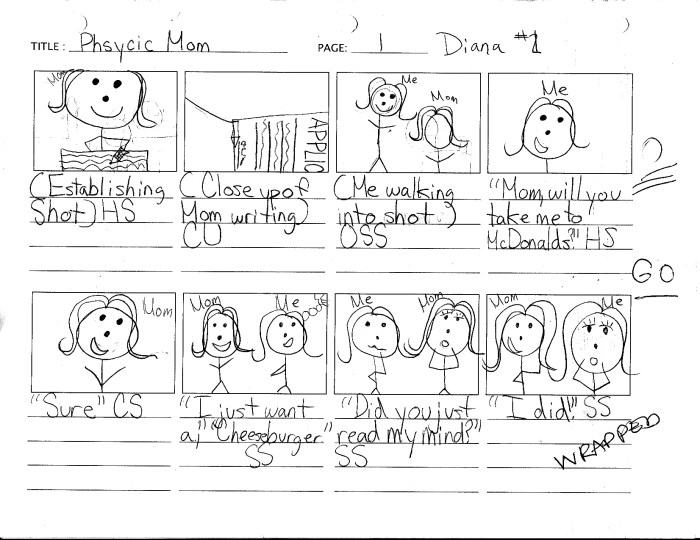
Creating believable and engaging sci-fi worlds and characters is crucial for a successful film. Storyboards provide the perfect medium to visualize these elements before production begins, allowing for thorough planning and efficient collaboration. This section will explore techniques for designing alien species, building immersive environments, showcasing unique technology, and effectively portraying futuristic attire and props.
Designing Believable Alien Species
The design of alien species should be grounded in biological plausibility, even within the context of science fiction. Consider evolutionary pressures, environmental adaptations, and ecological niches. Avoid simply humanoids with minor cosmetic changes. Instead, focus on unique physical features directly related to their environment and lifestyle. For instance, an alien species inhabiting a high-gravity planet might possess dense, stocky builds and powerful musculature. A species evolving in a perpetually dark environment could develop heightened senses like echolocation or bioluminescence. Detailed anatomical sketches, focusing on skeletal structures, musculature, and skin texture, are invaluable during this stage. Consider incorporating diverse forms of locomotion, sensory organs, and reproductive strategies to enrich the design. Examples of successful alien design include the Na’vi from Avatar (their symbiotic relationship with their environment) and the various species in Star Wars (each with unique physical characteristics and cultural nuances).
Effective World-Building Techniques in Sci-Fi Storyboards
World-building in sci-fi storyboards involves meticulously detailing environmental aspects to create an immersive atmosphere. This includes architectural styles reflecting the society and technology level, the overall color palette reflecting the environment’s lighting and atmosphere (e.g., a cold, desolate planet might be depicted in shades of blue and grey), and the inclusion of flora and fauna unique to that world. Consider the level of technological advancement, showing the impact on the environment and the inhabitants’ lifestyle. A decaying, post-apocalyptic world will have a vastly different visual language than a utopian space colony. Storyboards can effectively convey the scale and grandeur of a world through strategic camera angles and the inclusion of significant landmarks. For example, a wide shot of a sprawling futuristic city with towering skyscrapers conveys a sense of scale and technological advancement, while a close-up on decaying structures in a desolate landscape effectively conveys a post-apocalyptic setting.
Storyboarding Unique Alien Technology
This panel depicts a “Temporal Displacement Unit,” a device resembling a large, multifaceted crystal sphere emitting faint, pulsating light. Its surface is covered in intricate, glowing glyphs that shift and rearrange themselves subtly. The device is supported by a complex network of thin, metallic cables connected to a central power source. Its functionality is to create temporary rifts in spacetime, allowing for short-range teleportation. The visual design emphasizes both its technological sophistication and its mystical, almost otherworldly nature. The panel would show a character interacting with the device, perhaps activating it with a gesture, highlighting the interaction between the technology and its user.
Depicting Futuristic Costumes and Props
Effectively portraying futuristic costumes and props in storyboards involves conveying their material and technological properties. This can be achieved through detailed linework, shading, and texture indications. Consider the materials used – are they metallic, organic, or a combination? How does the clothing or prop interact with light? For example, a futuristic suit might be depicted with reflective surfaces, suggesting a material with high technological properties. A worn-out, repurposed tool could be depicted with scratches, dents, and rust, conveying its history and functionality. The level of detail should be sufficient to clearly communicate the design and functionality without overwhelming the storyboard’s overall aesthetic. Remember to consider the relationship between costume and environment; a spacesuit designed for a harsh environment would look vastly different from clothing designed for a temperate, enclosed space station.
Concluding Remarks
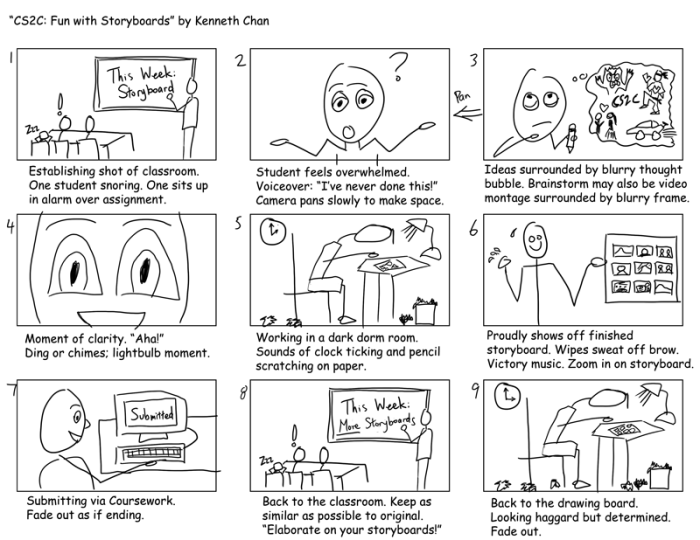
Storyboarding sci-fi films presents unique challenges, demanding a balance between technical precision and creative imagination. By understanding the visual language of the genre, mastering techniques for depicting action and special effects, and focusing on world-building and character design, you can create compelling storyboards that serve as a roadmap for your production. This guide provides a strong foundation for crafting visually stunning and narratively impactful sci-fi films, ensuring your project’s visual storytelling resonates with audiences.