Mastering the art of visual storytelling in thriller films requires a unique approach. Unlike genres focusing on dialogue or broad comedy, thrillers rely heavily on visual cues to build suspense, create tension, and deliver impactful plot twists. This guide delves into six key tips, transforming your storyboard from a simple Artikel into a powerful tool for conveying the chilling atmosphere and edge-of-your-seat excitement that define the thriller genre. We will explore techniques to visually represent internal conflict, utilize lighting and shadow to enhance mood, and design sequences that maximize the impact of crucial plot points.
From understanding fundamental storyboarding principles specific to thrillers to refining your work and presenting it effectively, this guide provides a comprehensive roadmap. We’ll examine practical examples, address common pitfalls, and offer solutions for adapting your storyboard to evolving production needs. Whether you’re a seasoned filmmaker or just starting, this resource offers actionable strategies to elevate your thriller storytelling.
Understanding Thriller Storyboarding Fundamentals
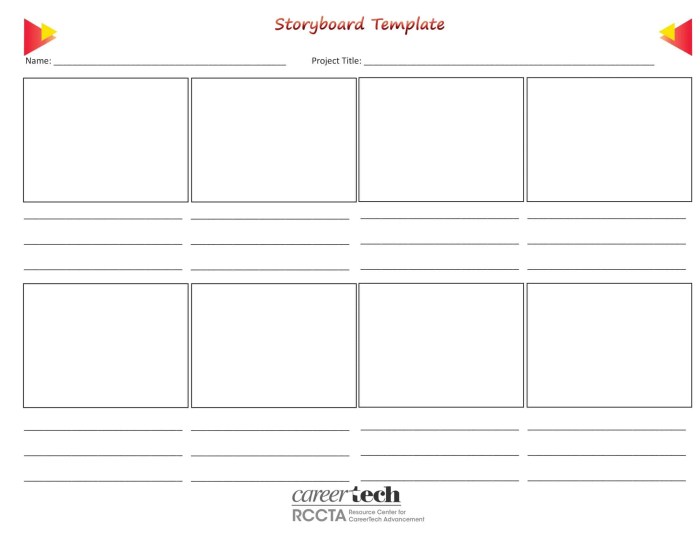
Storyboarding for thriller films presents unique challenges compared to other genres. The emphasis on suspense, unexpected twists, and psychological tension demands a precise visual language that can effectively communicate these elements without giving away crucial plot points. Unlike genres that might rely on clear-cut action sequences or emotional displays, thrillers often thrive on ambiguity and the unspoken, making effective storyboarding crucial for maintaining audience engagement and building a compelling narrative.
Thriller storyboards must prioritize pacing and suspense. The deliberate manipulation of time and the careful construction of visual cues are key to creating a sense of unease and anticipation. A well-crafted storyboard will guide the viewer through a carefully orchestrated sequence of events, building tension gradually and strategically releasing it at key moments. This careful control of pacing is essential to maintaining the audience’s engagement and maximizing the impact of the narrative’s twists and turns.
Thriller Storyboarding Techniques for Building Tension
Several techniques are commonly employed in thriller storyboards to effectively build tension. These include the use of close-ups to emphasize character expressions and reactions, low-angle shots to create a sense of vulnerability or power imbalance, and strategically placed shadows or darkness to evoke a feeling of mystery and unease. The use of point-of-view shots can also place the viewer directly into the protagonist’s perspective, increasing their emotional investment and heightening the suspense. Furthermore, the careful arrangement of objects within the frame, or the use of specific color palettes, can subtly contribute to the overall mood and atmosphere of the scene.
Example of a High-Suspense Storyboard Panel
Imagine a panel depicting a character alone in a dimly lit room. The camera angle is a low, slightly canted shot looking up at the character, who is sitting in a chair, their face partially obscured by shadow. Their body language conveys fear and apprehension; their hands are clenched, and their eyes are wide with anxiety. A single, flickering light bulb casts long, distorted shadows across the walls, adding to the overall sense of unease. The setting itself is claustrophobic, with the walls closing in on the character, emphasizing their vulnerability. The overall effect is one of intense suspense, leaving the viewer wondering what will happen next.
Comparative Analysis of Storyboarding Approaches for a Plot Twist
Consider a crucial plot twist: the reveal of a seemingly innocent character as the villain. One storyboarding approach might focus on gradually revealing clues through subtle visual cues – a fleeting expression, a subtly misplaced object, a quick cut to a significant detail in the background. This approach builds suspense slowly, allowing the audience to piece together the truth alongside the protagonist. A contrasting approach might use a sudden shift in visual style – a jarring change in lighting, a dramatic shift in camera angle, or a sudden close-up on a telling piece of evidence – to shock the audience with the revelation. The first approach relies on gradual build-up and subtle hints, while the second employs immediate impact and visual surprise. Both approaches are effective, but the choice depends on the desired effect and the overall tone of the film.
Developing Compelling Thriller Storyboard Scenes
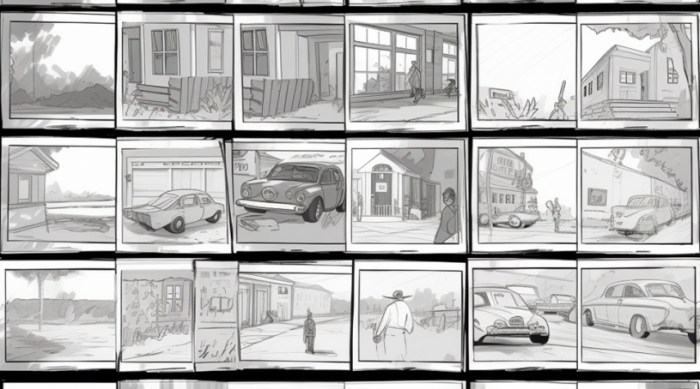
Creating compelling storyboard scenes for thriller films requires a keen understanding of visual storytelling and the emotional impact of imagery. The goal is to translate the script’s suspense, tension, and psychological elements into a visually arresting sequence that captivates the audience and keeps them on the edge of their seats. This involves more than just depicting the action; it’s about crafting a visual narrative that resonates on a deeper level.
Visual Representations of Internal Conflict
Effectively portraying internal conflict is crucial in a thriller. The audience needs to understand the protagonist’s struggle, their anxieties, and their internal battles. This can be achieved through various visual techniques in the storyboard.
- Close-ups on expressive eyes: A close-up shot focusing on the character’s eyes, reflecting fear, doubt, or determination, can powerfully convey internal turmoil. For example, a character staring blankly ahead, their eyes dilated with fear, can effectively communicate their apprehension in a tense situation.
- Juxtaposition of serene and chaotic imagery: Show a calm exterior against a backdrop of a chaotic or threatening environment. This contrast highlights the internal struggle between composure and fear. Imagine a character calmly sipping tea, but the background shows a shadowy figure lurking in the distance.
- Use of fragmented or distorted imagery: Distorted reflections, fractured mirrors, or dreamlike sequences can visually represent the character’s fractured mental state. A scene where a character sees their own reflection morph into a menacing figure would effectively communicate their internal conflict.
- Internal monologues visualized: Represent the character’s thoughts and anxieties through visual metaphors. For example, flashbacks, superimposed images, or visual hallucinations can showcase the character’s internal battles.
- Body language and micro-expressions: Subtle shifts in posture, fidgeting, or fleeting expressions of fear or anxiety can subtly yet effectively communicate internal conflict. A character constantly adjusting their collar, or nervously tapping their fingers, would indicate hidden stress and tension.
Utilizing Shadows, Lighting, and Color Palettes
Light and shadow are powerful tools for creating atmosphere in thriller storyboards. Careful manipulation of these elements can drastically alter the mood and enhance the suspense.
The use of shadows can create mystery and foreboding. Deep, contrasting shadows can hide threats, emphasize vulnerability, and heighten suspense. Conversely, bright, harsh lighting can be used to reveal crucial details, emphasize a character’s vulnerability, or create a sense of unease. Color palettes also play a significant role; dark, muted tones can enhance feelings of dread and isolation, while brighter, more saturated colors might suggest a false sense of security before a sudden twist. For example, a scene bathed in cool blues and greens might suddenly shift to a warm, ominous red as danger approaches.
Designing a Chase Scene Storyboard Sequence
A chase scene storyboard needs to convey a sense of urgency and dynamism. This requires careful planning of camera angles and character movements.
The sequence should start with establishing shots to set the scene and context, followed by a series of shots showcasing the chase from various angles: wide shots to establish the overall pursuit, medium shots to focus on the characters’ actions and expressions, and close-ups to highlight moments of tension or vulnerability. Dynamic camera movements, such as handheld shots, whip pans, and tracking shots, are essential to convey the sense of speed and chaos. Character actions should be carefully choreographed to maintain suspense and build towards a climax. For example, the camera could track alongside the fleeing character, highlighting their desperate struggle to escape, before switching to a close-up of their pursuer’s determined face.
Illustrating a Jump Scare
A jump scare storyboard requires a careful balance of anticipation and sudden shock. The key is to build tension gradually before unleashing the unexpected.
The sequence should begin with establishing shots creating a sense of unease. Then, a series of increasingly close-up shots on seemingly innocuous details might build tension before the sudden, unexpected appearance of a frightening element. The payoff should be visually striking and designed to startle the audience. For example, a quiet, dark scene could slowly transition to a close-up on a creaking door before abruptly showing a terrifying figure emerging from the shadows.
Symbolism and Visual Metaphors in Thriller Storyboards
Symbolism and visual metaphors add layers of meaning and subtext to a thriller storyboard. They can enhance the narrative’s complexity and deepen the audience’s engagement.
These can be subtly woven into the visuals to convey deeper themes or foreshadow events. For example, a recurring motif of broken glass could symbolize the protagonist’s fractured mental state, while a constantly present shadow might represent an unseen threat. These visual cues enrich the story and encourage the audience to engage with the narrative on a more profound level.
Refining and Presenting Your Thriller Storyboard
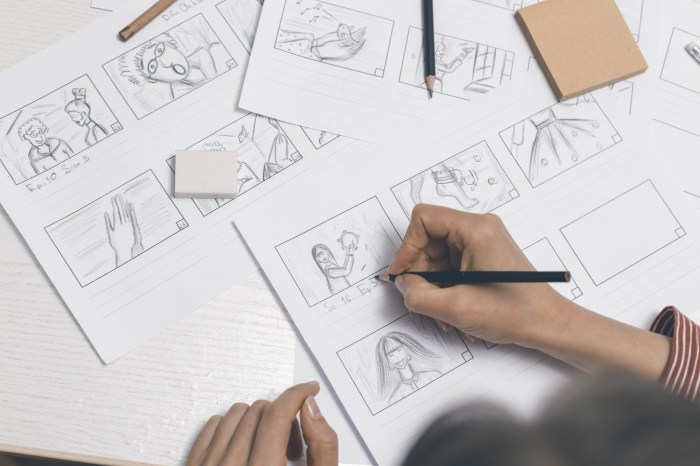
Creating a compelling thriller storyboard isn’t just about drawing exciting scenes; it’s about effectively communicating your vision to the production team. This final stage involves refining your work, presenting it professionally, and being prepared to adapt to potential changes. This section will guide you through this crucial process.
Common Pitfalls in Thriller Storyboarding
Avoiding common mistakes can significantly improve the quality and impact of your storyboard. Three frequent pitfalls are a lack of clarity in conveying key emotional beats, inconsistent visual style throughout the storyboard, and neglecting the pacing and rhythm of the scene. Clarity ensures everyone understands the scene’s intention, a consistent style creates visual unity, and thoughtful pacing keeps the audience engaged.
Collaboration and Feedback in Storyboarding
Collaboration is vital for a successful storyboard. Sharing your work with others—directors, producers, cinematographers, and even fellow artists—provides invaluable perspectives. Feedback helps identify areas for improvement, ensuring the storyboard accurately reflects the script’s intent and the overall vision of the project. Constructive criticism should be welcomed as an opportunity for growth and refinement. Consider organizing feedback sessions with clear goals and a structured approach. For instance, you might ask for feedback on specific aspects such as the clarity of action, emotional impact, or visual coherence.
Presenting Your Finished Storyboard
Presenting your finished storyboard requires a structured approach. Begin by providing a brief overview of the project and your creative vision. Then, walk through the storyboard panel by panel, explaining the action, camera angles, and key emotional moments. Use clear and concise language, focusing on the visual storytelling aspects. Have a printed copy available for everyone to follow along and encourage questions and discussions. The goal is not just to present the work but to foster a collaborative understanding of the scenes.
Comparison of Storyboard Software
Choosing the right software can streamline the storyboarding process. The following table compares popular options:
| Software | Features | Benefits | Drawbacks |
|---|---|---|---|
| Storyboard Pro | Powerful animation tools, extensive library of assets, collaboration features | Professional-grade results, efficient workflow | Steeper learning curve, higher cost |
| Photoshop | Versatile image editing capabilities, widely accessible | Familiar interface for many users, great for detailed illustrations | Less intuitive for storyboarding specifically, can be time-consuming |
| Celtx | Integrated scriptwriting and storyboarding tools, cloud-based collaboration | Streamlines the entire production process, good for teamwork | Can feel less robust for complex visual effects |
| FrameForge | 3D modeling capabilities, pre-visualization tools | Excellent for complex scenes and special effects planning | High learning curve, resource-intensive |
Adapting Your Storyboard to Changes
Flexibility is key. Script revisions, budget constraints, or scheduling changes are common occurrences. Adapting your storyboard requires a systematic approach. Identify the affected scenes, assess the necessary modifications, and update your panels accordingly. Maintain consistent visual style and pacing throughout the revisions. Clearly communicate the changes to the production team to ensure everyone is on the same page. For example, if a scene is cut, simply remove those panels from your presentation and document the changes in a separate document for the team’s reference. If a scene is rewritten, redraw the necessary panels to reflect the new dialogue and action, ensuring the visual style remains consistent with the rest of the storyboard.
Wrap-Up
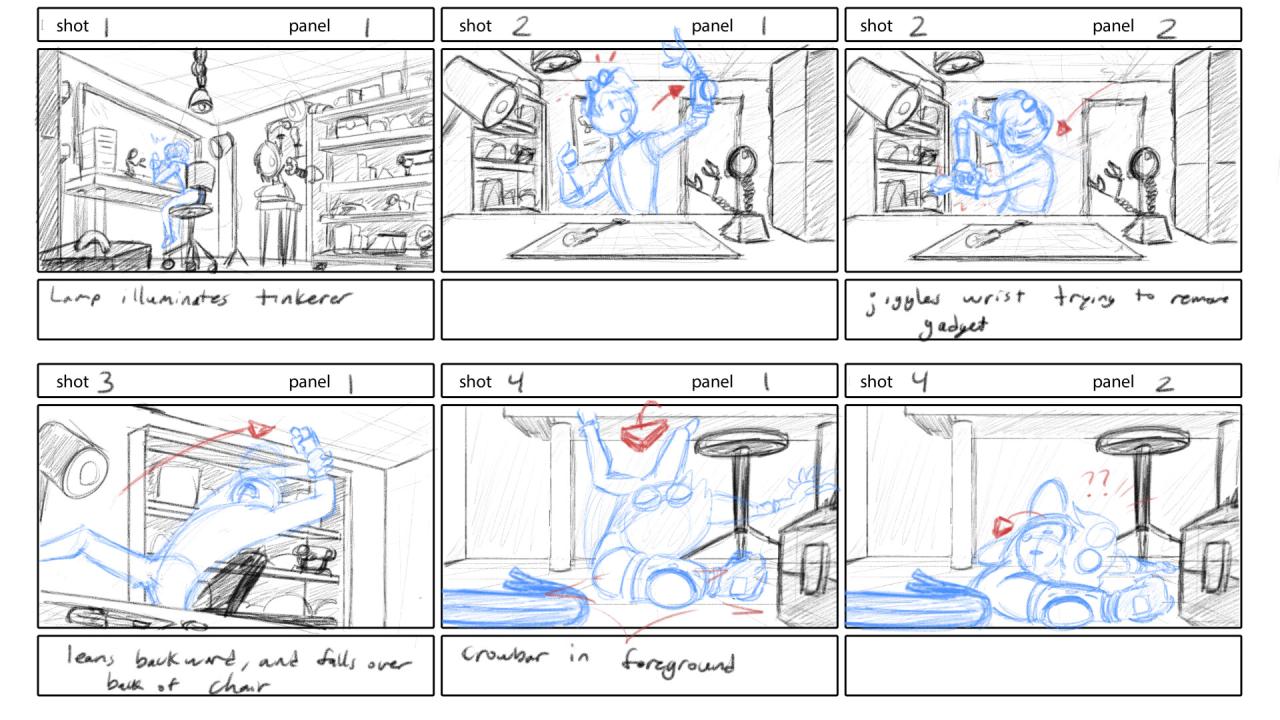
By understanding the unique challenges and opportunities presented by the thriller genre, and by applying the techniques Artikeld in this guide, you can craft storyboards that effectively communicate the suspense, tension, and emotional impact of your narrative. Remember that effective storyboarding is an iterative process; embrace feedback, refine your approach, and strive to create visuals that resonate with your audience, leaving them on the edge of their seats anticipating the next thrilling development. The power of visual storytelling in thrillers is immense – use it wisely.