Visualizing narratives before production is crucial, and storyboarding offers a powerful method to achieve this. This guide explores the art of storyboarding, focusing on six exceptional free software options. We’ll delve into their features, ease of use, and suitability for diverse projects, from short films to animated sequences and presentations. Mastering these tools empowers creators to bring their visions to life with clarity and precision.
We’ll examine the workflow, from initial concept sketching to refining panel layouts and incorporating effective visual cues. This comprehensive guide equips you with the knowledge and resources to create compelling storyboards, regardless of your experience level or project scope. Prepare to unlock your creative potential and streamline your storytelling process.
Top 6 Free Storyboard Software Options
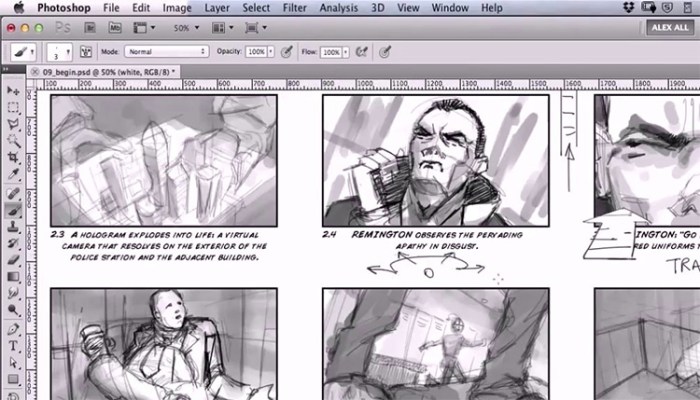
Choosing the right storyboard software can significantly impact your workflow. This section compares six popular free options, examining their features, user interfaces, and overall usability. Understanding their strengths and weaknesses will help you select the tool best suited to your needs and project complexity.
Free Storyboard Software Comparison
The following table summarizes the key features, pros, and cons of six popular free storyboard software options. Note that “free” often means limitations on features or export capabilities in comparison to paid versions.
| Software Name | Key Features | Pros | Cons |
|---|---|---|---|
| Storyboarder | Intuitive interface, collaboration features, easy export options, supports various aspect ratios. | User-friendly, excellent for collaboration, strong export capabilities. | Limited advanced features compared to paid software. |
| Shottr | Simple interface, quick creation of storyboards, easy sharing. | Extremely easy to learn and use, ideal for quick storyboarding. | Lacks advanced features like detailed panel customization. |
| PowerPoint (with add-ins) | Widely accessible, versatile, customizable with add-ins. | Already installed on most computers, familiar interface. | Can be less intuitive for storyboarding specifically; requires learning curve for add-ins. |
| Google Slides (with templates) | Collaboration features, cloud-based access, readily available templates. | Excellent for collaboration, easy access from anywhere. | Can lack the specialized tools of dedicated storyboard software. |
| Boords | Cloud-based, collaboration features, various export options, integrated feedback tools. | Strong collaboration features, good for team projects. | Free plan may have limitations on project size and features. |
| Celtx | Comprehensive screenwriting and storyboarding tool, includes scriptwriting features. | All-in-one solution for scriptwriting and storyboarding. | Steeper learning curve than simpler options. |
User Interface Analysis
Understanding the user interface is crucial for efficient storyboarding. Each software offers a different approach to design and functionality.
The user interfaces vary significantly. Storyboarder, for instance, prioritizes a clean, intuitive workspace with drag-and-drop functionality and readily accessible tools for adding images, text, and annotations. Its key UI elements include a panel creation area, a toolbar for adding elements, and a panel management section. In contrast, Shottr emphasizes simplicity, featuring a minimal interface focused on quick panel creation and sharing. Its UI is largely based on a single canvas and a limited set of tools. PowerPoint, being a general-purpose presentation software, requires leveraging its features in a specific way for storyboarding, resulting in a less streamlined experience compared to dedicated storyboard software. This involves using shapes, images, and text boxes to represent scenes and actions. Google Slides mirrors this approach, relying on its existing features rather than dedicated storyboard tools. Boords provides a more structured interface with tools for organizing panels, adding annotations, and sharing with collaborators. Celtx, with its integrated screenwriting features, presents a more complex UI with separate sections for script writing and storyboarding.
Storyboard Example using Storyboarder
This example uses Storyboarder to illustrate a simple scene.
The scene depicts a character, Alex, walking down a rain-soaked street at night. The storyboard consists of three panels.
- Panel 1: Wide shot. Alex, wearing a trench coat, walks down a dimly lit street. Rain falls heavily. The background features dark buildings and flickering streetlights. Purpose: Sets the scene and establishes the mood.
- Panel 2: Medium shot. Alex stops, looking up at a building. A single window is lit. Purpose: Creates suspense and introduces a potential point of interest.
- Panel 3: Close-up. Alex’s face, showing a mix of curiosity and apprehension. Purpose: Focuses on the character’s internal state and foreshadows the next event.
Storyboard Creation Techniques and Best Practices
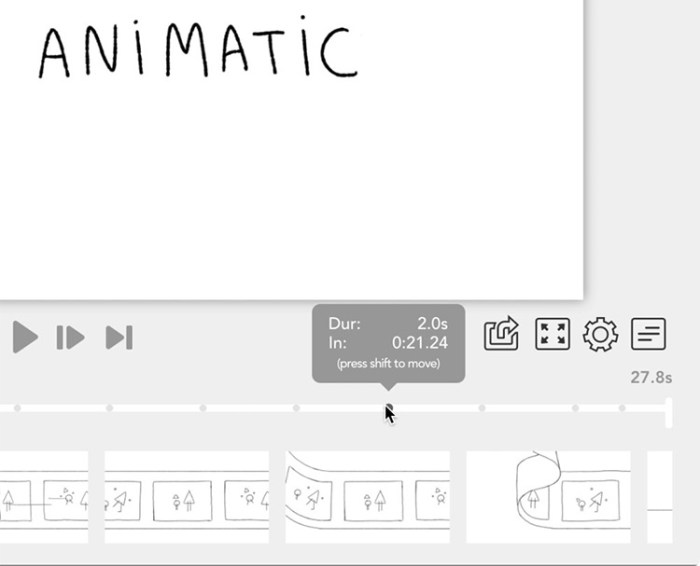
Creating effective storyboards involves a methodical approach, transforming a narrative concept into a visual blueprint for filmmakers, animators, and other creatives. This process ensures clarity, consistency, and facilitates efficient collaboration throughout the production process. Mastering storyboard techniques elevates the quality of the final product by providing a strong foundation for visual storytelling.
The creation of a storyboard is a multi-step process that requires careful planning and execution. A well-executed storyboard serves as a crucial communication tool between the creative team and ensures a shared understanding of the visual narrative.
Storyboard Creation Process
The process of creating a storyboard can be broken down into several key steps, each building upon the previous one to create a cohesive and effective visual narrative.
- Concept Development: Begin with a clear understanding of the story’s narrative, including the plot, characters, and overall tone. This stage involves outlining the key scenes and their emotional impact.
- Scene Breakdown: Divide the story into individual scenes, identifying the key actions and dialogue within each. This helps determine the number of panels needed in the storyboard.
- Thumbnailing: Create quick, rough sketches of each scene, focusing on the composition and key action. These thumbnails serve as a preliminary visual roadmap.
- Panel Layout: Determine the arrangement of panels on the page, considering pacing and visual flow. Different layouts can emphasize different aspects of the story (see section on Storyboard Layouts).
- Detailed Sketching: Refine the thumbnails into more detailed sketches, including character expressions, camera angles, and key visual elements. Add annotations to clarify details.
- Revision and Refinement: Review and revise the storyboard, ensuring clarity and consistency. Collaborate with others to gather feedback and make necessary adjustments.
- Final Draft: Create a clean, polished version of the storyboard, ready for presentation and production.
Storyboard Layouts and Panel Arrangements
The arrangement of panels significantly impacts the storytelling rhythm and emphasis. Different layouts cater to diverse narrative needs.
- Standard Layout: A simple, linear arrangement, often used for straightforward narratives. Imagine a series of rectangular panels arranged in a single row or column, each showing a sequential moment in the story. This layout is effective for conveying a clear and concise narrative flow.
- Multi-Panel Layout: This uses multiple panels within a single frame to show simultaneous actions or different perspectives on the same event. Visualize a large panel divided into four smaller panels, each showing a different character’s reaction to a central event. This is ideal for showing parallel actions or contrasting viewpoints.
- Wide-Panel Layout: A single large panel emphasizes a significant moment or establishes a setting. Picture a single, expansive panel showcasing a sweeping landscape, establishing the environment for the scene that follows. This effectively conveys scale and atmosphere.
- Vertical Layout: Panels arranged vertically often emphasize a sense of progression or rising action. Imagine a series of panels stacked vertically, each showing a step in a character’s journey, building towards a climax. This layout can create a strong sense of movement and momentum.
- Horizontal Layout: Horizontal arrangements can suggest a sense of breadth or simultaneous action across a wide space. Picture a series of panels arranged horizontally, each depicting a different aspect of a large-scale event unfolding simultaneously across a battlefield. This layout is effective for depicting expansive scenes or events.
Best Practices for Clear and Concise Storyboards
Creating effective storyboards requires attention to detail and adherence to certain best practices that enhance clarity and visual appeal.
- Clear Visual Cues: Use clear lines, shapes, and symbols to represent actions, movement, and camera angles. For example, arrows can indicate movement, while different line weights can differentiate foreground and background elements.
- Concise Annotations: Keep annotations brief and to the point, focusing on essential details such as dialogue, sound effects, and camera directions. Avoid unnecessary clutter.
- Consistent Style: Maintain a consistent visual style throughout the storyboard, ensuring uniformity in character design, setting details, and overall aesthetic.
- Visual Hierarchy: Use size and placement of panels to emphasize key moments and guide the viewer’s eye through the narrative. Larger panels can highlight important scenes, while smaller panels can show transitional moments.
- Consider the Target Audience: Tailor the level of detail and complexity of the storyboard to the target audience and the production requirements. A storyboard for a complex animated film will be more detailed than one for a simple commercial.
Utilizing Free Storyboard Software for Different Projects
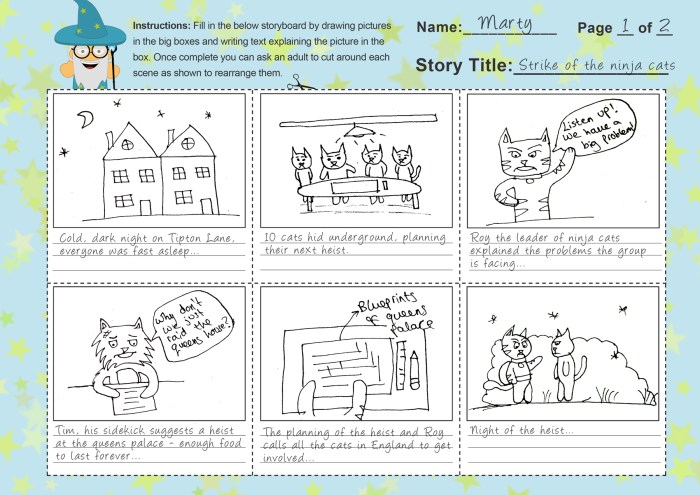
Free storyboard software offers a powerful and accessible toolset for visualizing projects across various media. Its ease of use makes it ideal for beginners, while its versatility caters to professionals needing a quick and efficient way to plan their creative endeavors. This section explores how different free software options can be effectively employed for short films, animated videos, and presentations.
The choice of software often depends on the specific needs of a project. For example, software with robust animation features might be preferable for animated video storyboarding, while a program prioritizing clean layouts and text integration might be better suited for presentations. Understanding these nuances allows for optimized workflow and efficient project management.
Storyboard Software Application for Short Films
Short films often benefit from software that allows for quick sketching and iteration. A program with easy-to-use drawing tools and the ability to quickly arrange panels is crucial. Free software like Storyboarder excels in this area due to its intuitive interface and focus on efficient panel creation. Its streamlined approach allows filmmakers to rapidly sketch out scenes, focusing on composition and pacing without being bogged down by complex features. The ability to easily adjust panel sizes and layouts is particularly beneficial for adapting to changing scene requirements. For example, a director might initially plan a wide shot, but later decide a closer shot is needed; Storyboarder allows for this seamless adjustment.
Storyboard Software Application for Animated Videos
Animated videos demand a storyboard software that facilitates the planning of complex animation sequences. Software that supports layering, annotations, and potentially even basic animation capabilities can be extremely helpful. While many free options lack advanced animation tools, their ability to organize and annotate frames for complex scenes remains valuable. For instance, software that allows the user to easily label action notes directly onto the storyboard panels (like the “notes” feature in many programs) is crucial for communicating the desired animation to the animation team. This detailed breakdown helps in planning timing, character movements, and camera angles before the animation process even begins.
Storyboard Software Application for Presentations
Presentations require a different approach. Software that emphasizes clean layouts, easy text integration, and image import capabilities is most effective. Many free presentation software packages (often already installed on computers) offer the basic functionality needed for creating visually appealing storyboards for presentations. The focus here shifts from detailed visual storytelling to outlining the key points and visual aids for a clear and engaging presentation. Features such as the ability to easily add transitions between slides and incorporate various media elements are valuable in crafting a dynamic and informative storyboard for a presentation.
Specific Software Features and Their Suitability
The following list highlights how specific features in free storyboard software align with different project types:
- Easy Panel Creation and Arrangement: Ideal for short films, allowing for quick iteration and scene adjustments.
- Layering and Annotation Tools: Essential for animated videos, facilitating detailed planning of complex animation sequences.
- Text Integration and Clean Layouts: Crucial for presentations, ensuring clear communication of key points and visual aids.
- Image Import Capabilities: Useful for all project types, enabling the incorporation of reference images and pre-existing assets.
- Export Options: The ability to export in various formats (e.g., PDF, image sequences) is important for sharing and collaboration across different project teams.
Creating a Storyboard for a Short Animated Sequence
Let’s imagine a short animated sequence showing a cat chasing a laser pointer. We’ll use a hypothetical free software program with basic drawing and animation tools.
Design Phase Decisions: The animation style will be simple, using bold Artikels and flat colors. The cat will be a stylized cartoon, and the laser pointer will be a simple red dot. The scene will take place in a living room, represented by simple shapes for furniture. The animation will use a limited number of frames per second to maintain a smooth but not overly complex animation.
Storyboard Panels:
- Panel 1: Wide shot of a living room. A cat is sleeping on a couch (represented by a simple rectangle). A hand (represented by a simple shape) holds a laser pointer off-screen.
- Panel 2: Close-up on the cat’s face as the laser pointer appears, its eyes opening wide.
- Panel 3: The cat jumps off the couch, its body slightly elongated to convey motion.
- Panel 4: The cat is chasing the laser pointer across the floor, its body stretched out and legs moving quickly. The red dot of the laser pointer moves erratically across the floor.
- Panel 5: The cat leaps onto a chair (simple shape), trying to catch the laser pointer.
- Panel 6: The cat sits on the chair, panting, with the laser pointer disappearing off-screen.
Animation Techniques: The animation would primarily use frame-by-frame animation for the cat’s movements. Simple transformations and shape tweening could be used for the laser pointer’s movement. The background would remain static, focusing the animation on the cat’s actions. The color palette would be limited to a few key colors to maintain a consistent and easily readable animation.
Final Wrap-Up
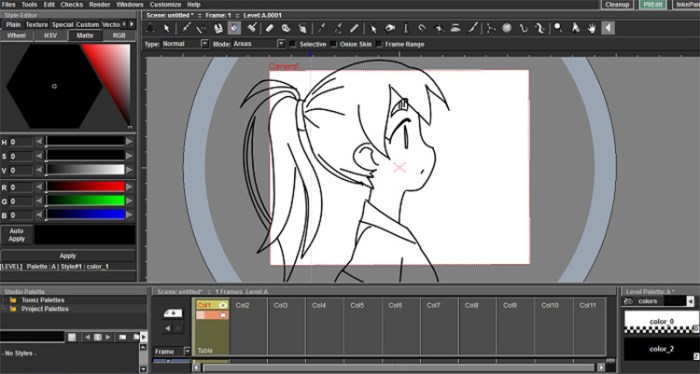
Creating effective storyboards significantly enhances the pre-production phase, leading to smoother productions and more polished final products. By understanding the process, utilizing appropriate software, and adhering to best practices, you can elevate your storytelling capabilities. The six free software options highlighted provide accessible entry points for individuals and teams alike to begin crafting compelling visual narratives. Embrace the power of pre-visualization and transform your creative vision into a tangible roadmap.