Storyboarding is a crucial skill for visual communication, essential for filmmakers, animators, and designers alike. A strong storyboard portfolio can significantly boost your career prospects, showcasing your creative vision and technical abilities to potential clients and employers. This guide provides five key tips to elevate your storyboarding skills and build a portfolio that truly stands out.
We’ll explore fundamental storyboarding principles, delve into techniques for crafting compelling visual narratives, and offer practical advice on creating a professional portfolio that highlights your unique style and expertise. From understanding thumbnail sketching to mastering visual cues and effective portfolio presentation, this guide provides a comprehensive roadmap to success.
Understanding Storyboarding Fundamentals
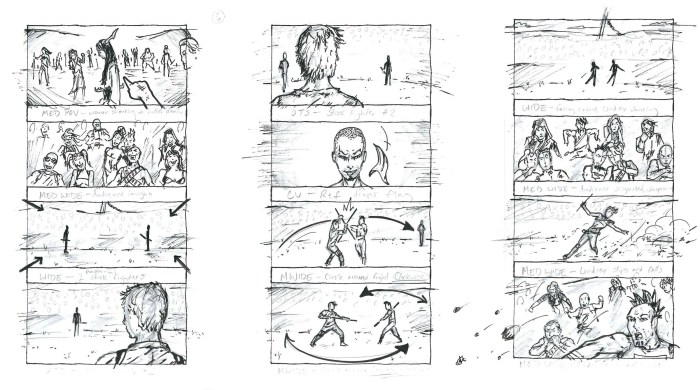
Storyboarding is a crucial pre-production process for any visual medium, from film and animation to commercials and video games. It allows creators to visualize their narrative flow, experiment with shot composition, and effectively communicate their vision to a team. Mastering storyboarding techniques is essential for building a strong portfolio that showcases your creative storytelling abilities and technical skills.
Effective storyboarding hinges on clarity, conciseness, and a strong understanding of visual storytelling principles. Each frame should tell a part of the story, contributing to the overall narrative arc. Consider pacing, camera angles, character movement, and overall visual style to create a dynamic and engaging storyboard. The goal is to create a visual script that is easily understood by anyone, regardless of their background in filmmaking or animation.
Storyboarding Styles
Different projects benefit from different storyboarding approaches. Choosing the right style enhances communication and streamlines the production process.
- Film Style: This style uses detailed drawings, often resembling the final product’s look and feel. Strengths include precise visual communication and a strong sense of cinematic atmosphere. Weaknesses include being time-consuming and potentially inflexible to changes.
- Animation Style: Similar to film style but often more stylized and less realistic. Strengths include conveying character animation and exaggerated movements effectively. Weaknesses can be the high level of artistic skill required and potential limitations in representing complex environments.
- Comic Book Style: Emphasizes visual storytelling through panels and speech bubbles. Strengths include clear narrative flow and quick comprehension. Weaknesses might be the lack of detailed camera work and lighting information.
- Rough Sketch Style: Prioritizes quick sketching and idea generation over detailed visuals. Strengths include speed and flexibility, allowing for rapid iteration and experimentation. Weaknesses include potential ambiguity and lack of visual polish.
- Photo Storyboard: Uses photographs to represent scenes, often employing real-life locations and props. Strengths include a realistic representation of the setting and potential cost savings. Weaknesses can be the difficulty in depicting complex action sequences or fantastical elements.
Storyboard Example: Coffee Machine Commercial
This storyboard Artikels a 30-second commercial for a new coffee machine.
| Scene | Purpose | Key Visual Elements | Notes |
|---|---|---|---|
| 1 | Introduce the problem: Busy morning routine | Close-up of a stressed person rushing in the morning, messy kitchen | Fast-paced, slightly chaotic |
| 2 | Introduce the solution: New coffee machine | Stylish coffee machine, highlighting its sleek design | Slow motion, emphasizing the machine’s elegance |
| 3 | Demonstrate ease of use | Person easily operating the machine, simple interface | Clear, concise steps |
| 4 | Showcase the delicious coffee | Close-up of steaming coffee, rich color and texture | Focus on aroma and visual appeal |
| 5 | Happy ending: Enjoying coffee | Person relaxed, enjoying their coffee | Calm, peaceful atmosphere |
Thumbnail Sketching
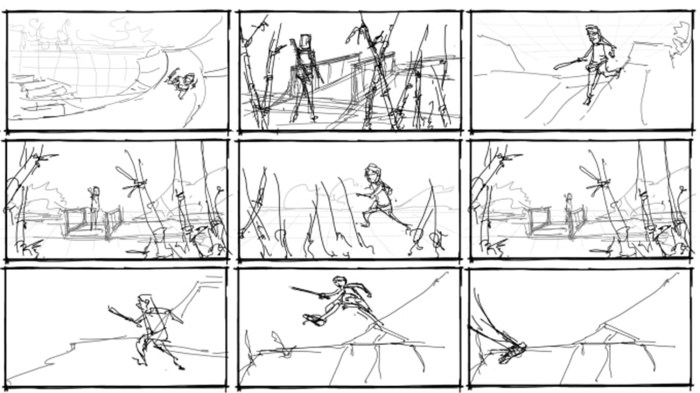
Thumbnail sketching is a critical initial step in storyboarding. These small, quick sketches help visualize the overall narrative flow and experiment with different shot compositions before investing time in detailed drawings. They act as a roadmap for the storyboard, allowing for quick iterations and adjustments. Thumbnail sketches enable you to explore multiple ideas rapidly, identify potential problems early on, and ultimately create a more effective and polished final storyboard. This process saves time and resources by eliminating the need for extensive redrawing of detailed scenes that might not work in the final narrative.
Crafting Compelling Visual Narratives
Storyboarding isn’t just about sketching out scenes; it’s about crafting a visual narrative that captivates the viewer and effectively communicates your story. A strong storyboard translates the script’s essence into a dynamic visual language, guiding the director and crew towards a shared creative vision. This section will explore techniques to elevate your storyboards from simple sketches to compelling visual narratives.
Developing visually engaging storyboards involves more than just depicting the action; it’s about understanding the power of visual storytelling to enhance emotional impact and narrative clarity. This requires careful consideration of composition, camera angles, and the overall flow of the visuals to create a cohesive and captivating experience for the viewer.
Techniques for Creating Visually Engaging Storyboards
Three key techniques contribute significantly to creating visually engaging storyboards. These techniques, when used effectively, can transform a simple sequence of images into a powerful visual narrative.
- Dynamic Composition: Avoid centering the subject in every frame. Experiment with the rule of thirds, leading lines, and negative space to create visually interesting and balanced compositions. For example, placing a character off-center, using a diagonal line to lead the viewer’s eye, or strategically leaving empty space around a subject can significantly impact the mood and visual interest of a scene.
- Strategic Use of Camera Angles: Different camera angles evoke distinct emotional responses and perspectives. A low angle shot can make a character appear powerful, while a high angle shot can make them seem vulnerable. Varying camera angles throughout the storyboard keeps the visuals dynamic and engaging, mirroring the emotional shifts within the narrative. For instance, shifting from a high-angle shot during a character’s moment of defeat to a low-angle shot as they regain their resolve creates a powerful visual representation of their emotional journey.
- Visual Metaphors and Symbolism: Incorporate visual metaphors and symbols to add layers of meaning and enhance the storytelling. A recurring visual motif, such as a specific color or object, can subtly communicate a theme or character trait throughout the storyboard. For example, consistently using a specific color associated with a particular character’s emotional state reinforces that state visually throughout the narrative.
Developing a Storyboard from a Script
Transforming a script into a compelling storyboard involves a multi-step process focused on visual storytelling. It’s crucial to move beyond simply illustrating the dialogue and focus on conveying the underlying emotions and narrative progression through visuals.
- Analyze the Script: Identify key moments, emotional beats, and the overall narrative arc. Pay attention not just to what is said, but also to what is implied and felt.
- Sketch Thumbnails: Create quick, rough sketches to visualize each scene. Focus on composition, camera angles, and character placement. These thumbnails serve as a blueprint for the more detailed storyboards.
- Develop Detailed Storyboards: Refine your thumbnails into more detailed sketches, adding visual details, character expressions, and any necessary annotations regarding camera movement, lighting, and sound effects.
- Review and Revise: Review your storyboard for clarity, consistency, and visual impact. Make revisions as needed to ensure the storyboard effectively communicates the story’s vision.
Storyboarding: Scene Progression and Emotional Arc
Organizing a storyboard into a cohesive narrative requires a clear understanding of scene progression and emotional arc. The following table demonstrates a simple example, showing how to track these elements.
| Scene | Description | Camera Angle | Emotional Arc |
|---|---|---|---|
| 1 | Character wakes up in a dark room | High angle, establishing shot | Fear, confusion |
| 2 | Character cautiously explores the room | Over-the-shoulder shot, following character | Anxiety, suspense |
| 3 | Character finds a window and sees a bright sunrise | Low angle, emphasizing the light | Hope, relief |
| 4 | Character walks towards the window, sunlight on their face | Close-up, focusing on character’s expression | Determination, optimism |
Using Visual Cues to Enhance the Story
Visual cues, such as camera angles and composition, are crucial for enhancing the story and guiding the viewer’s emotional response. These elements contribute to the overall impact and effectiveness of the storyboard.
For example, a low-angle shot of a character can convey power and dominance, while a high-angle shot can suggest vulnerability or insignificance. Similarly, using a wide shot can establish the setting and context, while a close-up can focus attention on a character’s expression or a specific detail. Mastering these techniques allows storyboards to communicate far more than just what is happening; they communicate the *feeling* of the scene, thus enhancing the narrative’s overall impact.
Building a Strong Storyboard Portfolio

A compelling storyboard portfolio is crucial for showcasing your skills and securing work in the animation, film, or advertising industries. It’s more than just a collection of your work; it’s a curated presentation of your artistic abilities and storytelling prowess, designed to leave a lasting impression on potential clients and employers. A well-structured portfolio demonstrates not only technical skill but also your understanding of visual narrative and your ability to effectively communicate ideas through images.
Portfolio Page Sample: Three Diverse Storyboards
This sample portfolio page presents three distinct storyboards, each highlighting a different skill set. The first storyboard showcases strong character design, focusing on expressive characters and detailed costume design. Imagine a scene from a fantasy film: a fierce warrior princess, with intricate armor and a determined expression, faces down a fearsome dragon. The storyboard panels meticulously depict her posture, the details of her weaponry, and the subtle shifts in her facial expression, highlighting the character’s inner strength. The second storyboard demonstrates proficiency in action sequences, showcasing dynamic movement and clear staging. This could be a chase scene from an action movie, with cars careening through city streets, emphasizing speed and impact through the careful use of camera angles and panel composition. Finally, the third storyboard demonstrates skill in emotional storytelling, using visual cues to convey a poignant narrative. The example could be a quiet moment between two characters in a drama; a single tear rolling down one character’s cheek, a hesitant hand reaching out, and the subtle shift in lighting creates a deeply emotional scene. These three examples, though diverse in style and subject matter, collectively demonstrate a versatile skill set.
Key Elements of a Compelling Portfolio
A successful storyboard portfolio isn’t just about the quality of individual storyboards; it’s about the overall presentation. Key elements include clear and concise thumbnails, consistent visual style, a well-organized layout, and a professional presentation. High-resolution images are essential for showcasing detail, while a clean and uncluttered design allows the storyboards to speak for themselves. Including a brief artist statement that explains your approach and style can also add a personal touch. Furthermore, testimonials or positive feedback from previous clients can significantly boost credibility and attract potential employers. Finally, showcasing a range of styles and genres demonstrates versatility, appealing to a wider range of clients.
Comparison of Presentation Styles: Two Successful Storyboard Artists
Let’s compare the portfolio styles of two hypothetical successful storyboard artists. Artist A, known for their vibrant and expressive style, features large, bold thumbnails with a consistent color palette throughout their portfolio. Their work tends towards fantasy and adventure genres, and their portfolio reflects this through the use of dynamic compositions and richly detailed backgrounds. Their online portfolio uses a clean, grid-based layout, making it easy to navigate and browse. In contrast, Artist B, known for their realistic and detailed style, presents their work with smaller, more refined thumbnails, emphasizing subtle details and nuanced character expressions. Their portfolio showcases a range of genres, from historical dramas to science fiction, and their presentation style reflects this diversity. They opt for a more minimalist portfolio design, letting the quality of their artwork take center stage. Both artists successfully showcase their unique styles and skills, demonstrating the versatility of portfolio design.
Sample Portfolio Page HTML
“`html
body font-family: sans-serif;
.project display: flex; margin-bottom: 2em;
.project img max-width: 300px; margin-right: 1em;
.project-details flex: 1;

Fantasy Adventure
Demonstrates character design and world-building skills.
Action Sequence
Highlights dynamic movement and clear staging.
Emotional Drama
Showcases skill in conveying emotion through visual storytelling.
“Exceptional storytelling and stunning visuals!” – Client Testimonial
“`
Final Conclusion
Mastering the art of storyboarding involves understanding fundamental principles, developing strong visual storytelling skills, and presenting your work effectively. By implementing the tips Artikeld in this guide, you can create a compelling storyboard portfolio that showcases your talent and secures future opportunities. Remember that consistent practice and a keen eye for visual detail are key to achieving success in this creative field.