Mastering the art of storytelling hinges on effectively conveying emotion. This exploration delves into the powerful technique of storyboarding, specifically how to leverage visual narratives to create impactful emotional resonance. We’ll unpack seven key techniques, examining how visual elements, color palettes, camera angles, and sound design contribute to a compelling emotional journey for your audience. From film and animation to interactive narratives and virtual reality, we’ll explore how these principles translate across diverse media.
Through practical examples and insightful analysis, we’ll guide you through the process of designing storyboards that evoke specific feelings, whether it’s the joy of a heartwarming moment or the suspense of a thrilling climax. Understanding how to manipulate visual cues to elicit the desired emotional response is crucial for any storyteller, and this guide provides the tools to achieve precisely that.
Understanding Emotional Resonance in Storyboarding
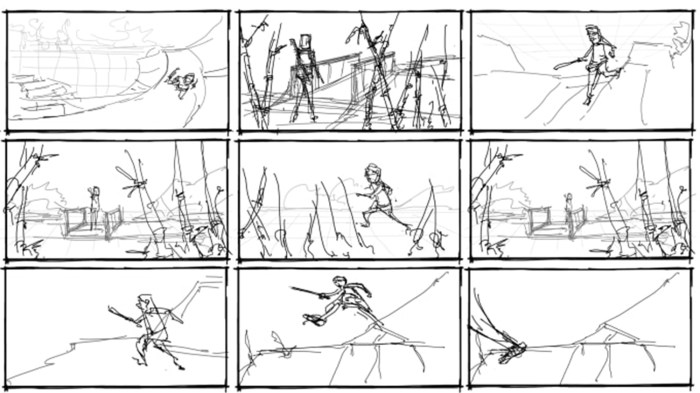
Storyboarding isn’t just about visualizing a sequence of events; it’s about crafting an emotional journey for the viewer. Effective storyboards tap into our feelings, creating a deeper connection with the narrative. This involves a nuanced understanding of visual language, color theory, and the subtle power of camera angles and sound.
Evoking Joy Through Visual Elements
A storyboard depicting pure joy could showcase a child leaping in the air, arms outstretched, against a backdrop of a vibrant, sun-drenched park. The child’s expression would be one of unadulterated glee, their eyes wide and sparkling. The lines in the storyboard would be energetic and flowing, reflecting the movement and excitement. Bright, saturated colors would dominate the scene, enhancing the feeling of happiness and energy. The overall composition would be dynamic, with the child positioned centrally, drawing the viewer’s eye to their joyful expression.
Depicting Sadness Through Visual Choices
A scene depicting sadness might show a lone figure sitting on a park bench, hunched over, in the twilight. The figure’s posture would be slumped, their head bowed. The background would be muted and desaturated, perhaps featuring overcast skies and bare trees. The color palette would consist of cool tones like blues and grays, contributing to the overall feeling of melancholy. The character’s facial expression would be downcast, perhaps with tears subtly visible. The use of a low angle shot could emphasize their vulnerability and isolation.
Color Palettes and Emotional Responses
Color palettes play a crucial role in shaping emotional responses. Warm colors like reds, oranges, and yellows often evoke feelings of happiness, excitement, and energy. Conversely, cool colors like blues, greens, and purples can create a sense of calmness, sadness, or even fear, depending on their saturation and intensity. For instance, a scene with predominantly dark blues and grays could suggest a feeling of mystery or suspense, while a scene dominated by bright, cheerful yellows and oranges would convey a sense of optimism and joy. The strategic use of color contrast can also be effective; for example, using a stark red object against a cool background can draw attention and emphasize a particular emotion.
Emotional Impact of Camera Angles
Different camera angles significantly influence the emotional impact of a scene. A low-angle shot can make a character appear powerful and dominant, while a high-angle shot can make them seem vulnerable or insignificant. Eye-level shots create a sense of connection and intimacy, allowing the viewer to empathize with the character. A sequence showing a character initially from a high angle, gradually transitioning to eye-level as they gain confidence, effectively communicates their emotional arc. The shifting perspective subtly reflects the character’s emotional growth.
Enhancing Emotional Resonance with Sound Effects
Sound effects are often overlooked but can powerfully enhance emotional resonance. In a scene depicting a peaceful moment, the inclusion of gentle, calming sounds like birdsong or flowing water can reinforce the feeling of tranquility. Conversely, harsh, jarring sounds like breaking glass or thunder can heighten the sense of tension or fear. A scene of joyful celebration could be amplified by adding the sounds of laughter, cheering, and celebratory music. The careful selection and integration of sound effects can significantly amplify the emotional impact of a storyboard, creating a more immersive and engaging experience for the viewer.
Seven Key Storyboarding Techniques for Impact
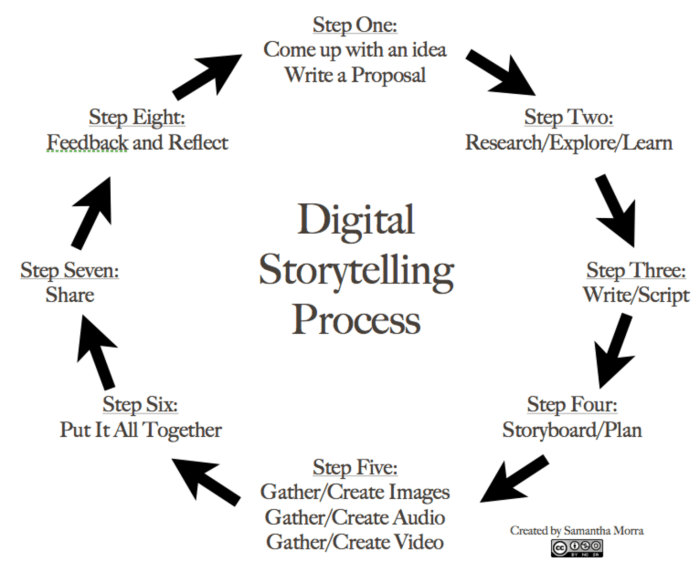
Effective storyboarding isn’t just about sketching out scenes; it’s about crafting a visual narrative that resonates deeply with the audience. By strategically employing specific techniques, storyboard artists can guide the viewer’s emotional journey, creating a powerful and memorable experience. This section will explore seven key techniques that contribute significantly to a storyboard’s emotional impact.
Seven Key Storyboarding Techniques
The following table Artikels seven distinct storyboarding techniques, illustrating how each contributes to emotional resonance. Mastering these techniques allows for greater control over the emotional arc of your story.
| Technique | Description | Emotional Effect | Example Scene |
|---|---|---|---|
| Camera Angle | Manipulating camera angles (high, low, eye-level, etc.) alters the viewer’s perspective and emotional response to the subject. | Power, vulnerability, empathy, intimidation | A low-angle shot of a hero facing a menacing villain creates a sense of intimidation and vulnerability for the hero, while a high-angle shot of a villain looking down on a defeated protagonist underscores the villain’s power. |
| Character Positioning and Body Language | The placement and posture of characters within a frame communicate unspoken emotions and relationships. | Tension, intimacy, isolation, conflict | Two characters standing shoulder-to-shoulder convey intimacy, while characters positioned far apart might illustrate isolation or conflict. A character hunched over with their head down might suggest sadness or defeat. |
| Color Palette | Strategic use of color evokes specific moods and feelings. Warm colors (reds, oranges, yellows) often suggest excitement or danger, while cool colors (blues, greens, purples) can convey calmness or sadness. | Joy, fear, serenity, anxiety | A scene bathed in warm, golden light might evoke feelings of joy and warmth, while a scene dominated by dark blues and greys could create a sense of unease and anxiety. |
| Lighting | Similar to color, lighting significantly impacts mood. High-key lighting feels optimistic, while low-key lighting creates shadows and mystery. | Hope, suspense, revelation, mystery | A brightly lit scene suggests openness and hope, whereas a scene shrouded in darkness and punctuated by sharp beams of light builds suspense and mystery. A sudden burst of light could reveal a crucial piece of information. |
| Framing and Composition | The arrangement of elements within the frame guides the viewer’s eye and creates a specific emotional impact. Rule of thirds, leading lines, and other compositional techniques are key. | Focus, tension, balance, unease | A character isolated in a wide shot can highlight their loneliness, while a tight close-up creates intimacy and tension. A balanced composition might suggest stability, while an unbalanced one can create unease. |
| Visual Metaphors and Symbolism | Using symbolic imagery adds layers of meaning and enhances emotional depth. A wilting flower could represent loss, while a rising sun could symbolize hope. | Subtlety, depth, thematic resonance | A recurring image of a caged bird could symbolize a character’s feeling of confinement or oppression, adding a layer of emotional resonance beyond the literal narrative. |
| Pacing and Rhythm | The sequence and speed of panels create a rhythm that influences the emotional tempo of the story. Quick cuts build tension, while slower pacing allows for reflection. | Suspense, anticipation, calmness, reflection | A rapid succession of panels showing a chase scene creates a sense of urgency and suspense, while longer shots of a character contemplating a decision allow for reflection and emotional depth. |
Using Symbolism and Metaphors Effectively
Symbolism and metaphors in storyboards work by creating visual shortcuts to complex emotions. Instead of explicitly showing sadness, a wilting flower in a character’s hand immediately conveys a sense of loss or despair. Similarly, a recurring motif of shadows could symbolize an unseen threat or a character’s inner darkness. The key is to ensure the symbolism is consistent and easily understood within the context of the story. Overuse can be confusing, so select symbols carefully.
Creating Suspense and Anticipation Through Strategic Storyboard Pacing
Suspense and anticipation are built by strategically controlling the pacing of the storyboard. Rapid cuts, close-ups of crucial details, and the strategic use of empty space between panels can heighten tension. Conversely, slower pacing with wider shots and more contemplative scenes can build anticipation before a crucial moment. Consider the rhythm you want to create—a slow burn or a sudden explosion of action—and adjust your pacing accordingly.
Storyboard Sequence Demonstrating Seven Techniques
Let’s imagine a scene focusing on a character, Elara, discovering a betrayal. The emotional arc is one of initial shock, followed by anger, and ending in quiet acceptance.
Panel 1: Wide shot of Elara, alone in a dimly lit room (low-key lighting, color palette of muted blues and greys, conveying loneliness). Her posture is slumped, reflecting her initial shock (character positioning and body language).
Panel 2: Close-up on a crumpled letter in Elara’s hand, revealing the betrayal (framing and composition, visual metaphor – the crumpled paper symbolizes the shattering of trust).
Panel 3: Low-angle shot of Elara, her face contorted in anger (camera angle, color palette shifts to angry reds and oranges). Her fists are clenched.
Panel 4: A series of quick cuts showing Elara pacing, throwing objects, and expressing her rage (pacing and rhythm).
Panel 5: Elara sits down, the red and orange hues fading back to muted blues and greys, but this time, with a sense of calm acceptance in her posture (color palette, character positioning and body language). A single tear rolls down her cheek.
Panel 6: A wide shot showing Elara gazing out the window at a setting sun (camera angle, lighting – the setting sun symbolizes the end of a chapter). The image is peaceful, despite the emotional turmoil she’s just experienced. A subtle symbolic image, perhaps a bird flying away, could further underscore the acceptance of loss.
This sequence utilizes all seven techniques to guide the viewer through Elara’s emotional journey, creating a powerful and resonant scene.
Applying Storyboarding for Different Media

Storyboarding transcends individual media types; its core principle—visualizing a narrative’s flow—remains consistent. However, the approach and emphasis shift depending on the medium’s unique characteristics. Understanding these nuances allows for more effective emotional storytelling across diverse platforms. This section will explore how storyboarding adapts to film, animation, interactive narratives, and virtual reality.
Storyboarding for film and animation share a fundamental goal: to pre-visualize the narrative visually, guiding actors, animators, and the crew. However, the execution differs significantly. Film relies heavily on capturing real-world performances and settings, meaning the storyboard acts as a blueprint for camera angles, lighting, and actor blocking. Animation, on the other hand, allows for a far greater degree of artistic license, focusing more on character expressions, movement, and scene composition. Emotional expression in film is often conveyed through subtle nuances in acting and cinematography, while in animation, it’s achieved through exaggerated expressions, dynamic character designs, and precise animation techniques.
Film versus Animation Storyboarding
Film storyboards emphasize practical considerations. Panels often depict camera angles (e.g., wide shot, close-up), lighting setups, and actor positioning. The focus is on capturing realistic emotion through detailed descriptions of facial expressions, body language, and the environment’s impact on the scene. Animation storyboards, conversely, focus on character animation, action, and visual storytelling. Panels are more detailed, showcasing character poses, expressions, and the flow of movement across multiple frames. Emotional expression relies heavily on the animator’s skill in conveying feelings through subtle shifts in character design, expression, and body language. For example, a film storyboard might show a character’s sadness through a slight droop of the shoulders and downturned mouth, whereas an animated storyboard might emphasize the same emotion through exaggerated slumping, tearful eyes, and a downturned mouth.
Short Video Advertisement Storyboard
This storyboard is for a 30-second advertisement for a pet adoption agency.
Panel 1: Wide shot of a sad, lonely puppy sitting in a shelter cage. Caption: “Feeling alone?” (Emotional trigger: Sadness, empathy)
Panel 2: Close-up of a loving hand gently petting the puppy. Caption: “A loving home is waiting.” (Emotional trigger: Hope, warmth)
Panel 3: Medium shot of a family playing happily with the puppy in a park. Caption: “Give a pet a forever home.” (Emotional trigger: Joy, connection)
Panel 4: Close-up of the puppy’s happy face, wagging its tail. Caption: “Adopt, don’t shop.” (Emotional trigger: Positive reinforcement, call to action)
Panel 5: Website address and agency logo. (Emotional trigger: Clear next step)
Storyboarding for Interactive Narratives
Interactive narratives, such as video games, present unique challenges. Storyboards must account for player agency and branching paths. Rather than a linear progression, the storyboard might use a flowchart-like structure to map different narrative possibilities based on player choices. Each decision point requires multiple storyboards illustrating potential outcomes, creating a network of interconnected scenes. Emotional impact is crucial; designers need to carefully craft moments that resonate with the player, regardless of the path taken. This might involve designing distinct emotional responses to different player actions, ensuring a consistent and impactful narrative experience.
Detailed Description of a Storyboard Panel
The panel depicts a crucial moment in a video game cutscene. A weary warrior, scarred and battered, stands before a fallen comrade. The warrior’s face is etched with grief and exhaustion; his shoulders slump, and his head hangs low. His hand rests gently on the comrade’s lifeless chest. The background is a desolate battlefield, littered with broken weapons and the bodies of fallen soldiers. The color palette is muted, emphasizing the somber mood. The lighting focuses on the warrior’s face, highlighting the intensity of his sorrow. This single panel powerfully conveys the weight of loss and the emotional toll of war.
Storyboarding for Virtual Reality Experiences
Storyboarding for VR presents exciting opportunities and unique challenges. The immersive nature of VR demands a highly detailed storyboard, considering the 360-degree perspective. Panels must depict not only the main action but also the surrounding environment, as players can look in any direction. Emotional resonance is amplified in VR; the feeling of presence intensifies the impact of storytelling. However, designing for VR requires careful consideration of potential motion sickness and the need for intuitive navigation. Storyboards must guide the development of smooth transitions between scenes and ensure the experience is engaging and comfortable for the user. For instance, a VR storyboard might show a panoramic view of a haunted house, detailing not only the main character’s interaction with a ghostly figure but also the detailed environment the player can freely explore, enhancing the emotional impact of the scene.
Conclusive Thoughts
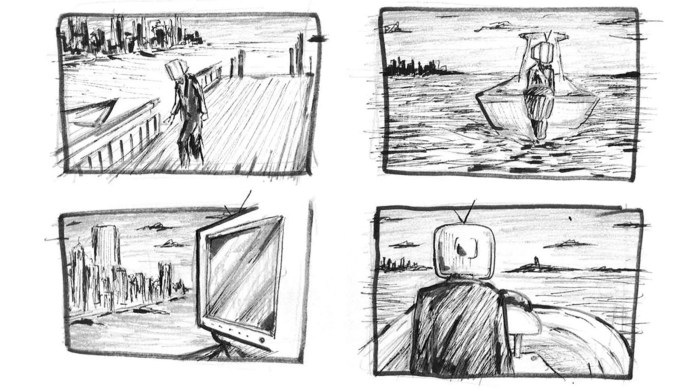
Ultimately, effective storyboarding transcends mere visual representation; it’s about crafting an emotional experience. By mastering the techniques Artikeld—from carefully selecting color palettes to strategically employing camera angles and sound design—you can elevate your storytelling to new heights. The ability to evoke powerful emotions in your audience is not just a desirable skill, it’s the key to creating truly memorable and impactful narratives across any medium. Remember, the goal is not simply to tell a story, but to create a deeply felt experience.