Mastering the art of storyboarding hinges on meticulous detail. A well-crafted storyboard isn’t just a series of images; it’s a visual narrative that breathes life into your story. This guide delves into four key areas crucial for elevating your storyboards from simple sketches to powerful visual tools, emphasizing the importance of pre-visualization, visual storytelling techniques, iterative refinement, and effective feedback incorporation.
From planning your narrative structure and developing detailed character sketches to utilizing lighting and color palettes effectively, we explore practical strategies for enhancing visual storytelling. We’ll also examine how to refine your work through constructive criticism and iterative design, ultimately leading to a more polished and impactful final product. Learn how to translate your vision into a compelling visual narrative that resonates with your audience.
Planning & Pre-Visualization
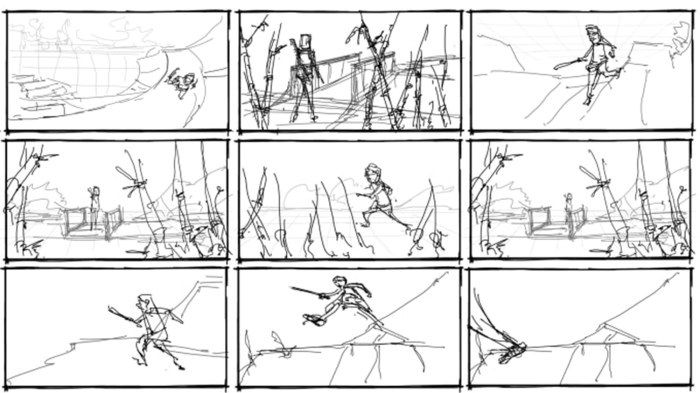
Effective storyboarding begins long before the first sketch. A strong narrative foundation is crucial for creating a cohesive and impactful visual story. Thorough pre-visualization ensures your storyboard effectively communicates the story’s essence, saving time and resources in later production stages.
Pre-visualization involves meticulously planning the narrative structure, outlining key plot points, character arcs, and emotional beats. This process allows for a clear understanding of the story’s flow and helps identify potential narrative weaknesses before they become visual problems. By meticulously defining the story’s progression, you establish a framework that guides the visual development, ensuring consistency and clarity throughout the storyboard. This detailed approach significantly reduces the likelihood of inconsistencies or narrative gaps in the final product.
Detailed Storyboard Planning: A Sample Scene
Consider a short scene: A lone astronaut, Alex, discovers a mysterious artifact on a desolate alien planet. Detailed planning would involve more than just sketching the astronaut and the artifact.
Panel 1: Wide shot of the desolate, rocky landscape. The color palette is muted browns and greys, emphasizing the planet’s barrenness and creating a sense of isolation. Alex is a small figure in the distance, highlighting the vastness and emptiness of the environment. *Purpose:* Sets the scene, establishes atmosphere, and introduces the sense of isolation.
Panel 2: Medium shot, focusing on Alex approaching a large, oddly shaped rock formation. Alex’s body language conveys caution and curiosity. The rock formation is partially obscured by shadows, adding an element of mystery. *Purpose:* Builds suspense, introduces the artifact indirectly, and highlights Alex’s emotional state.
Panel 3: Close-up on the artifact – a glowing, crystalline structure embedded in the rock. Details of the crystal’s intricate structure are visible, suggesting an advanced technology. Alex’s expression is one of awe and wonder. *Purpose:* Reveals the artifact, creating visual interest and highlighting its importance.
Panel 4: Over-the-shoulder shot of Alex carefully examining the artifact with a specialized tool. The focus is on the interaction between Alex and the artifact, highlighting the sense of discovery. *Purpose:* Showcases the action, builds tension, and reinforces the sense of wonder.
Comparison of Storyboard Planning Methods
Choosing the right planning method is crucial for efficient storyboarding. Different methods suit different projects and creative styles.
| Method Name | Advantages | Disadvantages | Suitability |
|---|---|---|---|
| Linear Storyboarding | Simple, straightforward, easy to follow chronologically. Ideal for simple narratives. | Can be inflexible, less suitable for complex or non-linear stories. | Short films, commercials, simple animations. |
| Non-Linear Storyboarding | Allows for exploration of multiple narrative threads and perspectives, suitable for complex stories. | Can be more challenging to organize and manage, requires a strong understanding of narrative structure. | Feature films, complex video games, interactive narratives. |
| Mind Mapping | Helps visualize the overall narrative structure and identify key relationships between scenes and plot points. | Can be less detailed than linear or non-linear approaches. | Early stages of pre-production, brainstorming sessions, identifying overarching themes. |
| Hybrid Approach | Combines elements of different methods to leverage their respective strengths. | Requires more planning and organization. | Most projects, particularly those with complex narratives but a need for clear chronological flow in certain sections. |
Visual Storytelling Techniques
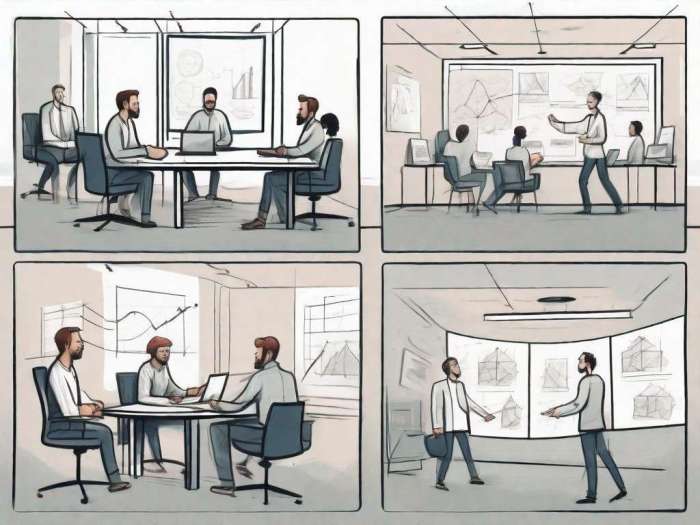
Effective visual storytelling is paramount in creating a compelling storyboard. By carefully manipulating visual elements, you can dramatically enhance the emotional impact and narrative clarity of your story, guiding the viewer’s understanding and response. This section explores how lighting, color palettes, camera angles, character design, and background detail contribute to a richer, more detailed visual narrative.
Visual elements are not mere decorations; they are powerful tools for communication. Strategic use of lighting, color, and camera angles can instantly convey emotions, establish atmosphere, and subtly guide the audience’s interpretation of events. Similarly, detailed character sketches and meticulously crafted backgrounds bring the story to life, immersing the viewer in the narrative world.
Lighting’s Role in Evoking Emotion
Lighting plays a crucial role in shaping the mood and atmosphere of a scene. High-key lighting, characterized by bright, even illumination, often suggests happiness, optimism, or innocence. Conversely, low-key lighting, with strong shadows and contrasts, can create suspense, mystery, or even fear. For example, a brightly lit scene of a child playing in a field conveys a sense of joy, while a dimly lit alleyway with harsh shadows might suggest danger or intrigue. Consider a scene depicting a character making a difficult decision: illuminating their face from below can create a sinister or unsettling effect, while soft, side lighting might highlight their internal conflict.
Color Palettes and Their Emotional Impact
Color is another powerful tool for emotional communication. Warm colors like reds and oranges often evoke feelings of excitement, passion, or anger, while cool colors such as blues and greens can convey calmness, sadness, or serenity. A scene dominated by vibrant, saturated colors might feel energetic and lively, while a scene using muted, desaturated colors could feel melancholic or subdued. For instance, a scene depicting a fiery argument might use intense reds and oranges, while a quiet moment of reflection might utilize calming blues and greens. The strategic use of color contrast can also be effective; juxtaposing warm and cool colors can create visual tension and highlight specific elements within the frame.
Camera Angles and Perspective
Camera angles significantly impact how the audience perceives characters and events. A high-angle shot can make a character appear vulnerable or insignificant, while a low-angle shot can make them appear powerful or intimidating. Eye-level shots create a sense of intimacy and connection, while extreme close-ups focus attention on specific details and emotions. Imagine a scene where a hero confronts a villain: a low-angle shot of the hero emphasizes their strength and dominance, whereas a high-angle shot of the villain might highlight their vulnerability or desperation. The careful selection of camera angles is vital for controlling the viewer’s perspective and shaping their emotional response.
Detailed Character Sketches and Backgrounds
Creating detailed character sketches and backgrounds is essential for enriching the visual narrative. Character designs should communicate personality and backstory through clothing, posture, and facial expressions. Similarly, backgrounds should reflect the story’s setting and atmosphere. Consider a character’s clothing: a sharp suit might suggest professionalism, while torn clothes might indicate hardship. A character’s posture – slumped shoulders versus upright stance – conveys their emotional state. Background details can subtly enhance the narrative. A cluttered room might suggest a chaotic life, while a meticulously organized space might indicate control and order.
Visual Metaphors and Symbolism: A Storyboard Panel Example
Consider a storyboard panel depicting a character standing alone on a vast, empty beach at sunset. The character is small against the immense backdrop of the ocean and sky. The setting sun casts long, lonely shadows. This scene utilizes visual metaphors and symbolism to convey feelings of isolation and despair. The vastness of the ocean represents the character’s overwhelming emotions, while the setting sun symbolizes the fading of hope or the end of a significant period in their life. The long shadows emphasize the character’s loneliness and the weight of their burden. This visual language transcends literal description, adding layers of meaning and emotional depth to the narrative.
Iteration & Refinement

Storyboarding isn’t a one-and-done process; it’s iterative. A single draft rarely captures the full vision. Refinement through feedback is crucial for achieving a detailed and effective storyboard that truly serves the narrative. The ability to adapt and improve based on constructive criticism is a key skill for any storyboard artist.
Iterative design allows for a gradual evolution of the storyboard, incorporating insights and suggestions to enhance clarity, pacing, and visual impact. Feedback, whether from collaborators, clients, or even self-reflection, provides invaluable external perspectives that can identify weaknesses or areas needing improvement that might be overlooked by the creator. This process isn’t about compromising the original vision; rather, it’s about strengthening and clarifying it. By actively engaging with feedback, storyboards can transition from initial sketches to polished, detailed visual narratives.
Incorporating Feedback Effectively
A structured approach is essential for effectively incorporating feedback without losing sight of the creative vision. It’s about finding a balance between respecting the suggestions and maintaining artistic integrity. Ignoring feedback entirely can lead to a final product that falls short of its potential, while blindly accepting every suggestion might dilute the initial concept.
- Review and Categorize Feedback: Carefully read all feedback, categorizing it by theme (e.g., pacing, character clarity, visual style). This organized approach helps prioritize critical adjustments.
- Prioritize Critical Feedback: Focus on feedback that directly impacts the narrative flow, character development, or overall clarity. Less crucial suggestions can be addressed later or even disregarded if they conflict with the artistic vision.
- Visualize the Changes: Before making any significant alterations, sketch out how the proposed changes would look on the storyboard. This visualization step helps assess the impact of the changes and prevents unintended consequences.
- Iterate and Refine: Implement the prioritized changes, creating revised panels. This may involve redrawing entire panels, adding details, or subtly adjusting compositions. This iterative process allows for fine-tuning and continuous improvement.
- Seek Further Feedback (Optional): After incorporating the initial feedback, it’s beneficial to seek a second round of reviews. This ensures that the implemented changes have addressed the concerns effectively and that no new issues have arisen.
Revising a Storyboard Based on Feedback
Let’s imagine a storyboard panel depicting a character discovering a hidden room. Feedback suggests the discovery lacks impact. The character’s expression is unclear, and the room’s details are insufficient. Here’s a step-by-step guide on how to address these specific points:
- Analyze the Criticism: The feedback highlights a lack of emotional impact and insufficient detail in the room’s depiction. The character’s expression needs improvement to convey surprise or awe.
- Identify Areas for Improvement: The character’s facial expression and the room’s visual details are the primary areas needing attention.
- Sketch Revisions: Create rough sketches exploring different facial expressions for the character (wide eyes, open mouth, raised eyebrows). Also, sketch potential details for the room, such as unique furniture, lighting, or objects that enhance the mystery.
- Incorporate Revisions: Select the most effective facial expression and room details from the sketches. Redraw the panel, incorporating these changes. This might involve adding shadows to highlight the room’s depth or enhancing the character’s posture to emphasize their surprise.
- Refine and Polish: Once the changes are incorporated, refine the panel’s composition, ensuring a clear focal point and visual balance. Pay attention to line quality, shading, and overall aesthetic consistency.
Final Thoughts
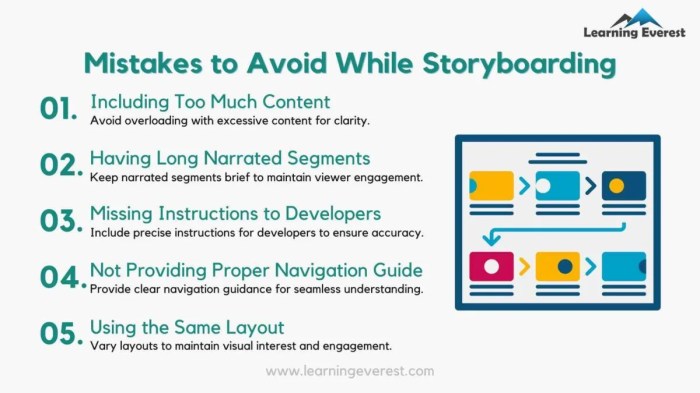
By carefully planning your narrative, employing effective visual storytelling techniques, and embracing iterative refinement through feedback, you can create storyboards that go beyond simple sketches and become powerful tools for pre-visualization and communication. Remember, the detail you invest in your storyboards directly translates to the richness and impact of your final project. Embrace the process, refine your skills, and unlock the full potential of visual storytelling.