Visual storytelling is paramount in today’s media-saturated world. A well-crafted storyboard transcends mere visuals; it becomes a blueprint for emotional connection, ensuring your message resonates deeply with your audience. This guide delves into the art of impactful storyboarding, offering practical strategies to elevate your narratives and leave a lasting impression.
We will explore the core principles of visual storytelling, examining how elements like color, composition, and character design contribute to a compelling narrative. We’ll also cover practical techniques for creating visually striking frames, utilizing camera angles and character expressions to maximize emotional impact. Finally, we’ll discuss adapting your storyboarding approach for various media platforms, ensuring your message resonates effectively across diverse audiences.
Understanding the Power of Visual Storytelling
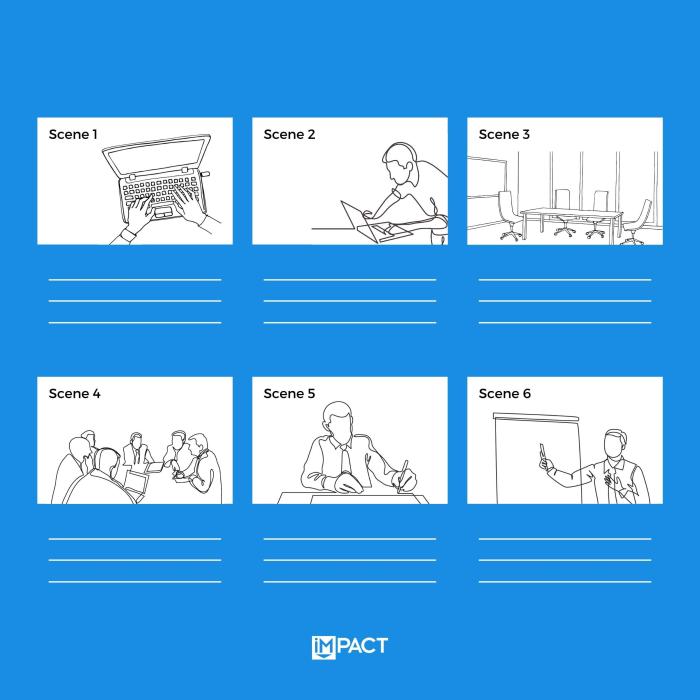
Storyboarding isn’t just about sketching out scenes; it’s about crafting a compelling visual narrative that resonates deeply with your audience. Effective storyboarding leverages the power of visuals to communicate complex ideas quickly and memorably, leaving a lasting impact far beyond a simple verbal description. This section explores how to harness the power of visual storytelling in your storyboards to achieve maximum impact.
Storyboarding enhances audience engagement and comprehension by translating abstract concepts into concrete, easily digestible visuals. Instead of relying solely on words, a well-constructed storyboard uses images to convey emotion, establish setting, and drive the narrative forward. This visual approach bypasses linguistic barriers, caters to diverse learning styles, and ensures that the core message is understood clearly and efficiently. The immediacy of visual information allows for quicker processing and better retention, ultimately leading to a more impactful experience for the viewer.
Visual Elements and Their Contribution to Lasting Impressions
The impact of a storyboard is significantly shaped by the strategic use of visual elements. Color, composition, and character design are not merely aesthetic choices; they are powerful tools that can evoke specific emotions, establish tone, and reinforce the narrative. For example, warm colors like oranges and yellows can create a feeling of warmth and comfort, while cool colors like blues and greens might evoke a sense of calm or serenity. Similarly, the composition of a shot—the arrangement of elements within the frame—can direct the viewer’s gaze and emphasize particular details. A character’s design, including their clothing, posture, and facial expressions, directly communicates their personality and emotional state. Consider a scene depicting a hero facing a daunting challenge. Using dark, muted colors and a low-angle shot to emphasize the hero’s small stature against a towering obstacle immediately creates a sense of tension and vulnerability. Conversely, vibrant colors and a high-angle shot showing the hero’s determined expression would convey strength and resilience.
Example Storyboard: A Short Advertisement
Let’s imagine a 30-second advertisement for a new brand of sustainably sourced coffee. The storyboard would focus on a clear narrative arc, moving from a problem (environmental damage from unsustainable coffee production) to a solution (the new brand’s ethical practices). The emotional impact would be achieved through a blend of visuals and music.
Scene 1: A wide shot depicting a barren, deforested landscape. The colors are muted browns and grays, evoking a sense of sadness and loss. A small, wilted coffee plant is barely visible in the foreground. The music is somber and melancholic.
Scene 2: A close-up of a hand carefully picking a ripe, red coffee cherry from a lush, healthy coffee plant. The colors are vibrant greens and reds, contrasting sharply with the previous scene. The music becomes more upbeat and hopeful.
Scene 3: A montage of shots showcasing the coffee-making process, emphasizing the ethical and sustainable practices of the brand. Images include happy farmers working in a thriving environment, the roasting of beans, and the preparation of a steaming cup of coffee. The music is warm and inviting.
Scene 4: A final shot of a person taking a sip of coffee, their face expressing contentment and satisfaction. The background is blurred, focusing attention on the person’s peaceful expression. The music swells to a crescendo, ending on a positive and uplifting note. This storyboard utilizes contrasting visuals and music to create a powerful emotional journey, effectively communicating the brand’s message and leaving a lasting positive impression on the viewer. The narrative arc is clearly defined, moving from a problem to a solution, with each scene contributing to the overall emotional impact.
Crafting Compelling Storyboard Frames
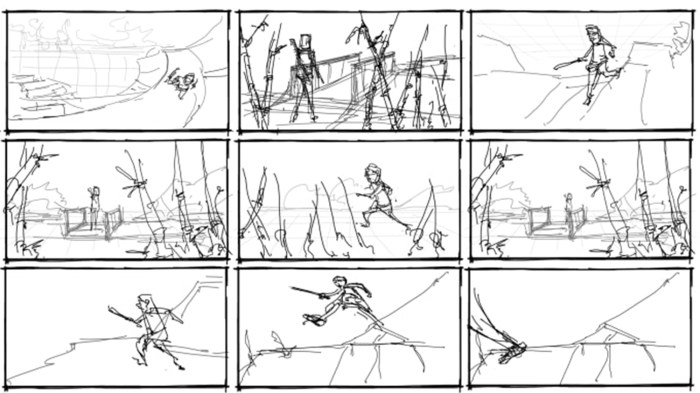
Creating visually striking and memorable storyboard frames is crucial for effective storytelling. A well-crafted storyboard isn’t just a series of drawings; it’s a blueprint for emotion, action, and visual impact, guiding the entire production process. By focusing on key visual elements and techniques, you can significantly enhance the viewer’s engagement and understanding of your narrative.
The power of visual storytelling lies in its ability to communicate complex ideas and emotions instantaneously. Effective storyboard frames leverage visual language to convey information efficiently, bypassing the need for lengthy descriptions. This efficiency is paramount, particularly in filmmaking and animation, where every frame contributes to the overall narrative arc.
Character Expressions and Body Language
Clear character expressions and body language are essential for conveying emotion and building audience empathy. A subtle shift in a character’s posture, a fleeting facial expression, or a particular hand gesture can communicate volumes. Consider the difference between a character standing tall with confident posture versus one slumping with shoulders bowed. The former projects strength, while the latter suggests defeat or sadness. Even the smallest details, like clenched fists or a nervous twitch, can add layers of meaning and depth to the character’s portrayal, allowing the audience to connect with them on a deeper level. For example, a character’s wide, fearful eyes contrasted with a villain’s cold, calculating stare immediately establish the power dynamic and the emotional stakes of a scene.
Camera Angles and Perspectives
Camera angles and perspectives significantly impact how the audience perceives a scene and its characters. A low-angle shot can make a character appear powerful and imposing, while a high-angle shot can make them seem vulnerable or insignificant. A close-up focuses attention on a character’s emotions, while a wide shot establishes the setting and context. Consider a scene where a character is confronting an antagonist. A low-angle shot of the antagonist, followed by a high-angle shot of the protagonist, immediately establishes a visual hierarchy and hints at the power imbalance. Conversely, using eye-level shots for both characters might suggest a more balanced conflict. The strategic use of these techniques enhances the storytelling and adds visual interest.
Depicting a Scene of Conflict
Let’s consider a scene where two characters, a detective and a suspect, are engaged in a tense interrogation.
Frame 1: A wide shot establishes the setting – a dimly lit interrogation room. The detective sits across a table from the suspect. The suspect avoids eye contact, his body language tense and closed off.
Frame 2: A medium shot focuses on the detective’s intense gaze. His expression is serious, his posture slightly leaning forward, demonstrating his determination to uncover the truth.
Frame 3: A close-up on the suspect’s hands, subtly fidgeting, reveals his nervousness and inner turmoil. The tension is palpable.
Frame 4: An over-the-shoulder shot from the detective’s perspective, showing the suspect’s face, highlighting the suspect’s shifting eyes and subtle micro-expressions of deception.
Frame 5: A medium shot, slightly elevated, shows the detective leaning in, creating a sense of claustrophobia and pressure. The suspect is visibly uncomfortable, his body language revealing his growing unease.
Frame 6: A close-up on the detective’s hand as he slams a file on the table, creating a sudden, sharp visual interruption that punctuates the intensity of the confrontation. The suspect flinches.
This sequence builds visual tension by strategically shifting camera angles and perspectives, focusing on key character expressions and body language to create a compelling and emotionally resonant scene. The combination of these techniques amplifies the underlying conflict and keeps the audience engaged.
Optimizing Storyboards for Various Media
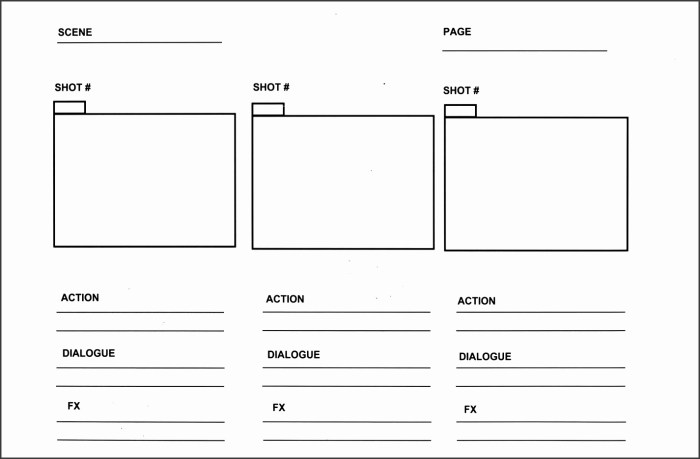
Storyboarding transcends the boundaries of a single medium. While the fundamental principle – visualizing a narrative sequence – remains constant, the approach to storyboarding varies significantly depending on the target platform and audience. Understanding these nuances is crucial for creating effective and impactful visual narratives. This section will explore how to tailor your storyboarding process for different media and audiences.
Storyboarding for film, animation, and interactive media each present unique challenges and opportunities. Film storyboards often focus on camera angles, movement, and scene composition, emphasizing cinematic language. Animation storyboards, conversely, must detail character animation, timing, and special effects, often including multiple frames per second to capture fluid movement. Interactive media, such as video games or apps, require storyboards that account for user interaction and branching narratives, incorporating decision points and multiple potential outcomes within the visual sequence. Each medium necessitates a different level of detail and visual representation.
Storyboard Design Across Platforms
The target platform significantly influences storyboard design. A social media video storyboard, for example, prioritizes brevity and immediate visual impact. Frames should be visually striking and easily digestible within a short timeframe, often under 60 seconds. In contrast, a website storyboard might focus on user experience and information hierarchy, guiding the viewer through a series of screens or sections. App storyboards necessitate a detailed account of user interface (UI) elements and user flows, emphasizing clarity and ease of navigation. The choice of visual style – from minimalist to highly detailed – is directly informed by the platform’s visual aesthetic and user expectations.
Adapting Storyboard Style for Different Audiences
Audience considerations are paramount. A storyboard for children’s animation will employ bright colors, simple shapes, and easily understandable characters. The narrative will be straightforward and engaging for a younger audience. Conversely, a storyboard for a sophisticated documentary might use a more realistic style, with muted colors and complex compositions to reflect the subject matter’s gravity. Consider the age, cultural background, and interests of your target audience when selecting visual elements, pacing, and overall style. Understanding your audience allows you to craft a storyboard that resonates deeply and effectively communicates your message.
Social Media Video Storyboard Example
Let’s consider a short video for Instagram promoting a new line of sustainable clothing. The target audience is young adults (18-25) interested in fashion and environmental consciousness. This audience is visually driven and engages with short, dynamic content.
The storyboard would feature:
Frame 1: A close-up shot of a model wearing a stylish, sustainable garment. Bright, natural lighting and a vibrant color palette. Text overlay: “Sustainable Style.”
Frame 2: A quick montage of diverse models showcasing different pieces from the clothing line. Fast-paced editing to maintain engagement.
Frame 3: A shot of the clothing’s sustainable materials (organic cotton, recycled fabrics). Informative text overlay highlights the eco-friendly aspects.
Frame 4: A shot of the clothing being packaged in recyclable materials. Emphasis on ethical and responsible production.
Frame 5: A call to action: “Shop now and make a difference!” Website link displayed.
The storyboard’s design choices – vibrant colors, fast-paced editing, and a focus on visual appeal – directly address the characteristics and preferences of the target Instagram audience. The brevity of the video (around 15 seconds) is crucial for maximizing engagement on this platform.
Summary

Mastering the art of storyboarding is not merely about creating visuals; it’s about crafting experiences. By understanding the power of visual storytelling and employing the techniques discussed, you can transform your ideas into compelling narratives that connect with your audience on an emotional level. Remember that a well-executed storyboard isn’t just a planning tool; it’s the foundation for a lasting impression, ensuring your message transcends the screen and leaves a mark on the viewer’s mind.