Storyboarding is more than just sketching out scenes; it’s a powerful tool for shaping narrative, emotion, and even the very feel of a project. This guide delves beyond the traditional confines of the storyboard panel, exploring innovative techniques to enhance your storytelling across various media. We’ll uncover how subtle visual cues, implied actions, and strategic panel design can elevate your narratives to new heights, moving beyond mere visual representation to create truly immersive experiences.
From crafting compelling character backstories through visual hints to leveraging sound design and symbolic imagery, we’ll examine practical strategies applicable to live-action films, animation, video games, virtual reality, and graphic novels. We’ll also explore how careful consideration of camera angles, panel sizes, and pacing contribute to building suspense, controlling rhythm, and effectively conveying complex emotions. Prepare to unlock the full potential of storyboarding and transform your storytelling.
Expanding Narrative Beyond the Visual
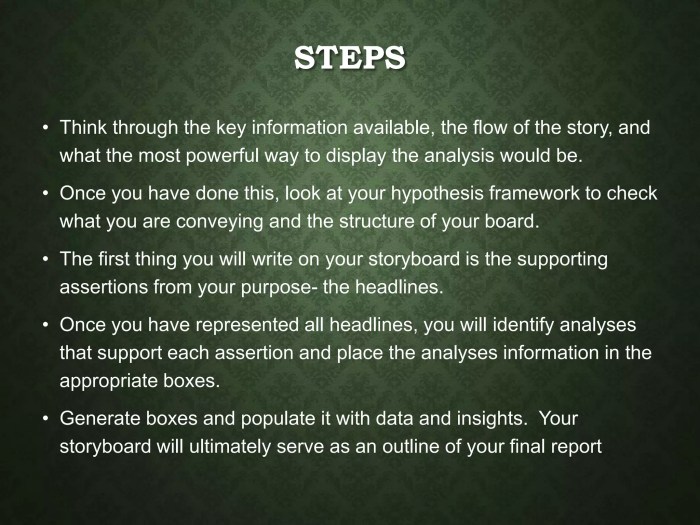
Storyboards, while primarily visual, possess a remarkable capacity to convey narrative depth far exceeding the confines of their panels. By cleverly utilizing visual cues, implied actions, and symbolic imagery, storyboards can effectively build worlds, develop characters, and enhance emotional resonance, creating a richer and more engaging experience for the viewer. This goes beyond simply depicting actions; it’s about hinting at the unspoken, suggesting the unseen, and ultimately enriching the story’s overall impact.
Subtle hints within a storyboard can dramatically deepen character understanding without resorting to lengthy exposition. Consider the power of visual storytelling in building a character’s history and personality. Instead of directly stating a character’s past trauma, for example, the storyboard can use subtle cues to build a richer narrative.
Subtle Backstory Hints in Storyboarding
Three methods can subtly hint at a character’s backstory without explicit exposition. First, consider the character’s possessions. A worn photograph clutched in a character’s hand might suggest a lost loved one, while a well-used tool hints at a specific skill or past occupation. Second, body language and expressions are powerful tools. A perpetually guarded posture might indicate a history of betrayal, while a fleeting expression of sadness can suggest a past heartbreak. Finally, the environment surrounding the character can reveal much. A character standing amidst ruins might hint at a devastating past event, while one surrounded by vibrant flowers might suggest a more hopeful outlook.
Establishing Setting Atmosphere and History
Consider a storyboard sequence depicting a deserted town square. The first panel shows an overgrown cobblestone street, with crumbling buildings casting long shadows. A weathered sign, barely legible, hints at a former bustling marketplace. The second panel shows a rusted swing set in a neglected playground, with a single, wilted flower clinging to its frame. The third panel focuses on a cracked window of a building, revealing a faded photograph of a smiling family on the interior wall. These visual details, along with the implied absence of people, suggest a town ravaged by time or perhaps tragedy, creating a sense of melancholy and mystery. The implied events – the abandonment of the town, the passing of time, the loss of family – are not explicitly shown but are powerfully suggested.
Enhancing Emotional Impact with Sound and Implied Action
Sound effects and implied actions significantly amplify the emotional impact of a storyboard. Imagine a panel depicting a lone figure standing on a cliff edge. While the image shows stillness, adding a sound effect annotation like “WHISTLING WIND / FAINT CRY” immediately enhances the feeling of isolation and vulnerability. Similarly, implied actions, like a character’s hand trembling slightly as they reach for an object, can communicate fear or nervousness without needing to depict the action explicitly. This allows the viewer to actively participate in interpreting the scene, deepening their emotional engagement.
Symbolic Imagery for Internal Conflict
Consider a panel depicting a character standing at a crossroads, with one path leading towards a bright, sunlit meadow, and the other leading into a dark, shadowy forest. The character’s face is obscured, their posture indecisive. This simple image symbolically represents an internal conflict – the choice between safety and risk, hope and despair. The contrast between light and shadow, along with the ambiguous expression and the crossroads setting, powerfully conveys the character’s inner turmoil without needing any dialogue or explicit explanation. The symbolism is clear, and allows the audience to infer the depth of the character’s struggle.
Storyboarding for Different Media
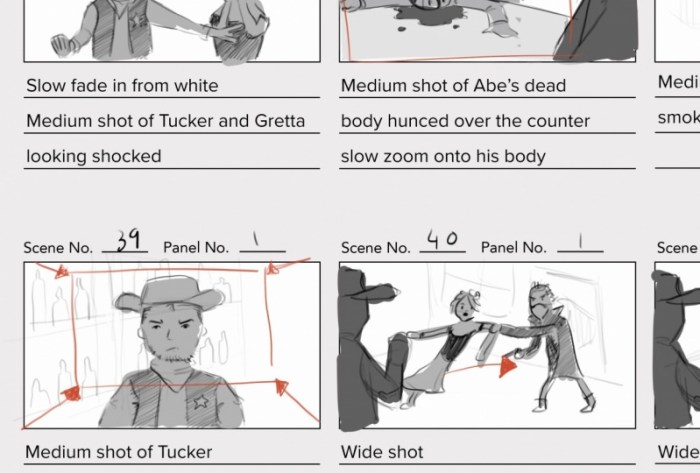
Storyboarding adapts significantly depending on the medium. While the core principle—visualizing a narrative sequence—remains consistent, the techniques and considerations vary considerably across live-action film, animation, video games, virtual reality, and graphic novels. This section will explore these variations, illustrating how storyboard artists tailor their approach to effectively communicate the intended experience.
Live-Action Film vs. Animated Short Storyboarding
Live-action film storyboards prioritize practical considerations. They need to depict camera angles, lighting setups, actor movements, and set design to guide the filming process. For example, a storyboard panel for a tense scene might show a low-angle shot of the protagonist, emphasizing their vulnerability against a shadowy antagonist in the background. The lighting notes would specify a chiaroscuro effect to enhance the dramatic tension. In contrast, an animated short storyboard focuses more on character animation and the flow of action. A similar scene in an animated short might show a series of panels illustrating the protagonist’s emotional progression through facial expressions and body language, with less emphasis on camera angles and more on the timing and rhythm of the animation. The focus is on the character’s performance and the overall visual style.
Video Game Cutscene Storyboarding with Interactive Elements
Designing a storyboard for a video game cutscene requires incorporating interactive elements and player agency. Consider a cutscene where the player character confronts a villain. The storyboard might begin with a wide shot establishing the environment, then transition to a close-up on the player character’s face as they make a dialogue choice. This choice would be indicated on the storyboard panel, branching the narrative to different subsequent panels depending on the player’s selection. For example, one branch could show a combat sequence, while another shows a negotiation scene. Each panel would specify not only the visual elements but also the corresponding interactive options and their consequences. The panels would also need to account for camera movement and character animation triggered by player actions.
Innovative Storyboard Panel Uses for Virtual Reality Experiences
Storyboarding for VR demands a focus on user interaction and spatial awareness. Three innovative uses of storyboard panels include: (1) 360-degree spherical panels depicting the entire VR environment from the user’s perspective, showing potential interaction points; (2) panels showing user interface elements overlaid on the 360-degree view to visualize how the VR environment responds to user input; (3) panels illustrating the user’s movement and the resulting changes in the VR environment, simulating the user’s perspective and navigational choices. These panels allow VR designers to plan the user experience meticulously, ensuring a seamless and engaging interaction. For instance, a panel might show a user reaching out to grab a virtual object, with the subsequent panel depicting the object’s response and the updated visual environment.
Graphic Novel Storyboard: Complex Sequence Illustration
A graphic novel storyboard needs to convey a complex sequence of events effectively using panel composition and pacing. Consider a fight scene. The storyboard might start with a wide panel establishing the setting, followed by a series of smaller, faster-paced panels depicting individual blows and movements, using visual techniques like motion lines and sound effects. A larger panel might then showcase a dramatic moment, such as a character being knocked down, before smaller panels show the aftermath and the characters’ reactions. The use of varied panel sizes and shapes helps control the pacing and emphasizes crucial moments. Thought bubbles and captions can further enrich the narrative, adding layers of information and internal monologue. The skillful use of gutters—the space between panels—also plays a crucial role in establishing the flow of the narrative and controlling the reader’s experience.
Beyond the Static Image
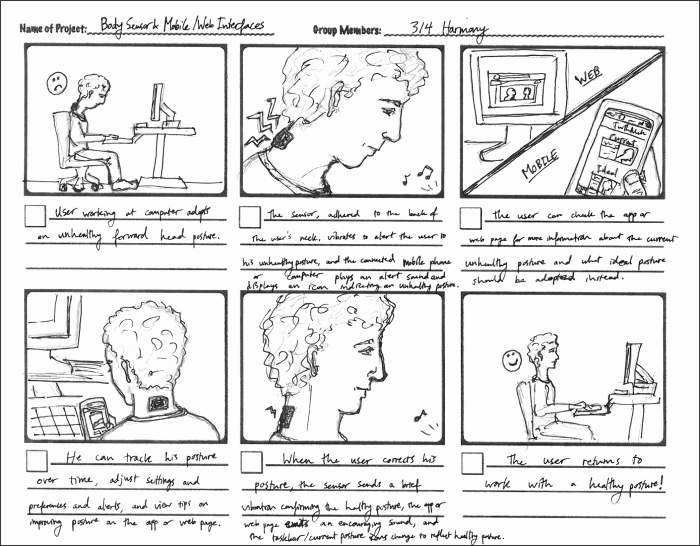
Storyboarding isn’t just about static images; it’s about crafting a dynamic visual narrative that leverages movement, timing, and emotion to resonate deeply with the viewer. Effectively using these elements elevates a storyboard from a simple sequence of pictures to a powerful storytelling tool. This section explores how camera angles, panel layouts, and visual metaphors can be manipulated to control pacing, build suspense, and evoke specific emotions within the viewer.
Mastering the interplay of movement, timing, and emotion in your storyboards significantly impacts the final product. Consider how a slow zoom can build suspense, while a quick cut can jolt the audience. The strategic use of visual metaphors can instantly convey complex emotions without needing lengthy exposition. Understanding these techniques allows for greater control over the narrative’s rhythm and emotional impact.
Camera Angles and Movement for Suspense and Gradual Revelation
Camera angles and movement are crucial for controlling the audience’s perspective and building suspense. A low-angle shot looking up at a character can convey their power or dominance, while a high-angle shot can make them seem vulnerable or insignificant. Slow, deliberate camera movements, like a dolly zoom or a tracking shot following a character, can build tension and anticipation. Conversely, quick cuts or jarring camera movements can create a sense of urgency or disorientation. For example, in a suspenseful scene, a series of increasingly close-up shots focusing on a character’s anxious face, coupled with slow, deliberate panning movements across a dark and ominous setting, would effectively build tension before a sudden reveal. The gradual revelation of information through carefully chosen camera angles and movements keeps the audience engaged and invested in the unfolding narrative.
Visual Metaphors and Symbolism for Emotional Conveyance
Visual metaphors and symbolism are powerful tools for conveying complex emotions concisely and memorably. A wilting flower might represent lost hope or fading love, while a stormy sky could reflect inner turmoil. The use of color also plays a significant role; deep reds and blacks might suggest anger or danger, while soft blues and greens can convey peace or serenity. Consider a scene where a character is feeling isolated; depicting them as a small figure in a vast, empty landscape, perhaps silhouetted against a stark, cold sunset, powerfully communicates their emotional state without needing dialogue. The careful selection and placement of these visual elements allow for a deeper and more nuanced emotional connection with the audience.
Panel Sizes and Layouts for Narrative Rhythm and Pacing
The size and layout of panels significantly influence the rhythm and pacing of the narrative. Large panels can emphasize important moments and slow down the pacing, allowing the audience to fully absorb the visual information. Smaller panels, on the other hand, can create a faster pace, suggesting a rapid succession of events. A series of small panels depicting a frantic chase scene, followed by a single, large panel showing the character collapsing in exhaustion, effectively communicates both the intensity of the action and the character’s emotional and physical state. Varying panel sizes and layouts prevents monotony and keeps the audience engaged. The skillful use of panel arrangements can directly control the flow of information and emotional impact of the story.
Storyboarding the Passage of Time: Immediate Events and Long-Term Consequences
Storyboards can effectively convey the passage of time, showcasing both immediate events and their long-term consequences. This can be achieved through a combination of visual techniques. For instance, a rapid succession of small panels could depict the immediate aftermath of an event, while a single, larger panel showing a character years later, visibly changed, could represent the long-term consequences. The use of visual cues like changes in hairstyle, clothing, or environmental details further emphasizes the passage of time. A sequence showing a character planting a tree as a young adult, followed by a series of smaller panels showing the seasons change, culminating in a final panel depicting the character as an older adult sitting under the now mature tree, effectively communicates the passage of time and the lasting impact of their actions. This approach allows for a comprehensive and emotionally resonant portrayal of the narrative’s timeline.
Final Thoughts
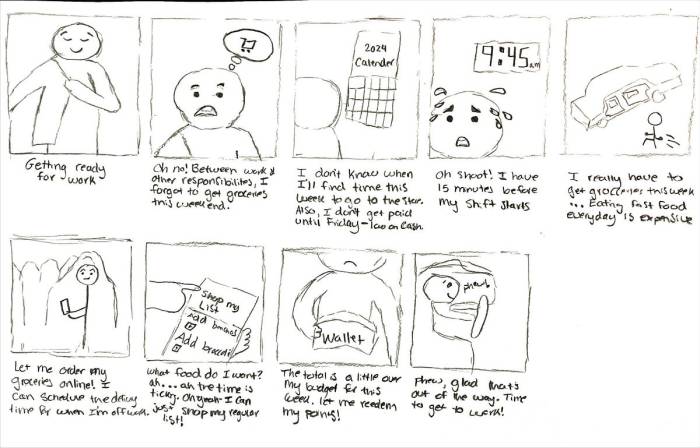
Mastering the art of storyboarding extends far beyond simply depicting scenes; it’s about crafting a complete narrative experience. By strategically employing techniques that transcend the limitations of the static image, you can significantly deepen the emotional impact of your work, creating a richer and more engaging experience for your audience. Whether you’re working on a film, game, or graphic novel, remember that every panel is an opportunity to tell a story within a story, enriching the overall narrative in unexpected ways. Embrace the possibilities that lie beyond the frame and elevate your storytelling to its full potential.