Mastering the art of storytelling is a journey, and understanding narrative structure is your compass. This guide delves into ten proven narrative structures, providing a practical framework for crafting compelling stories across various media. We’ll explore how to translate these structures into effective storyboards, equipping you with the visual language to bring your narratives to life.
From the classic Freytag’s Pyramid to the more unconventional In Media Res, we’ll examine the unique strengths and weaknesses of each structure, illustrating how they influence pacing, emotional resonance, and overall impact. Learn to adapt your storyboarding techniques to suit different narrative choices, and discover how visual elements such as composition, color, and metaphor can elevate your storytelling.
Understanding Narrative Structures
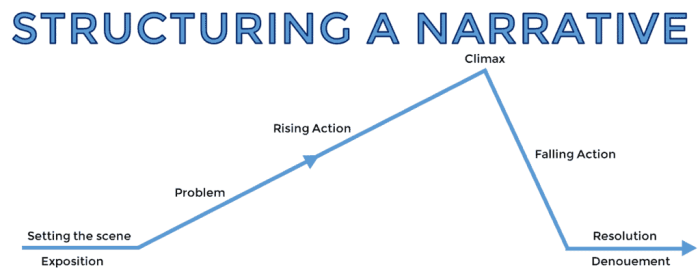
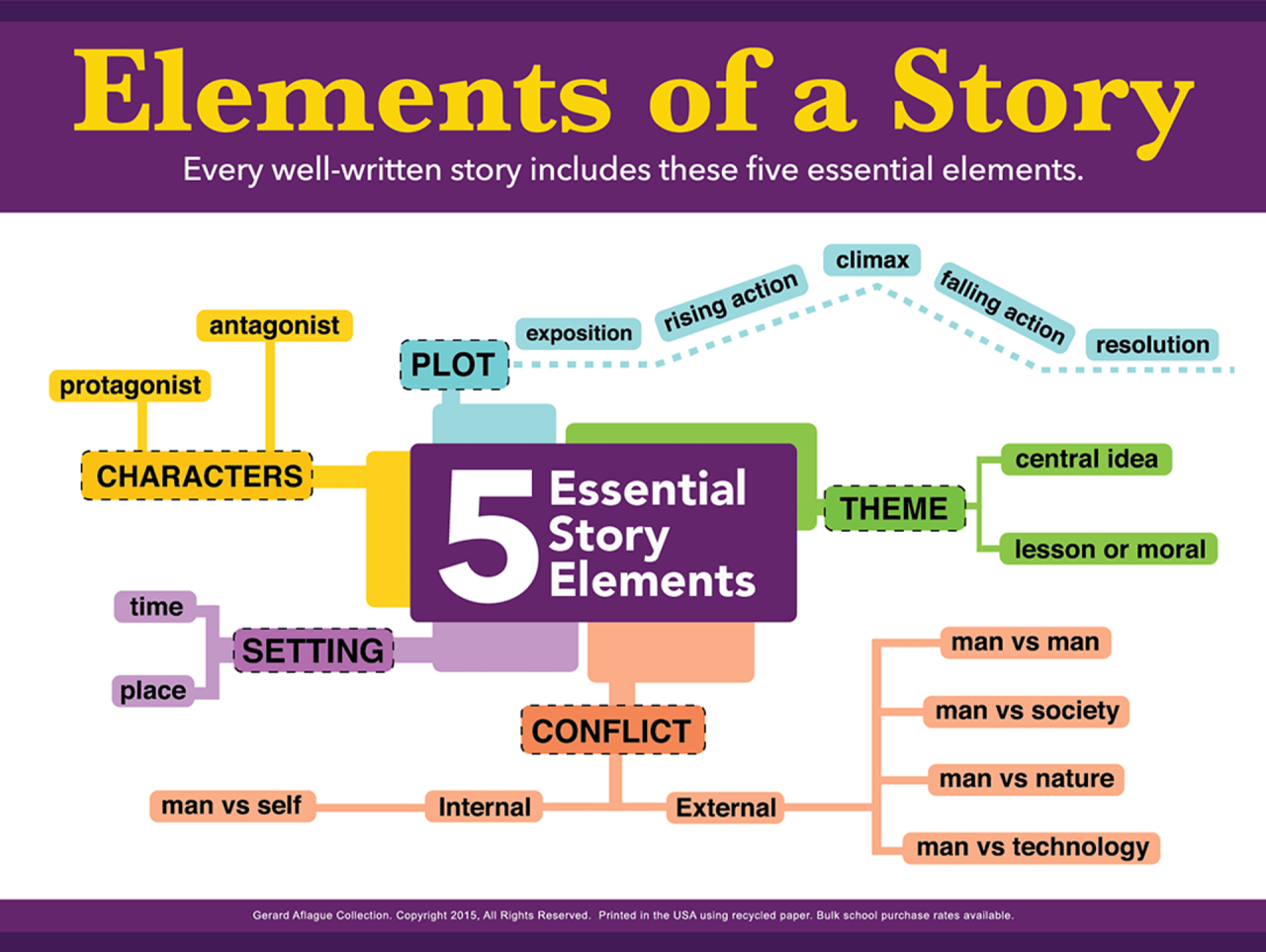
Choosing the right narrative structure is crucial for crafting a compelling story. The structure dictates the pacing, reveals information to the audience, and ultimately shapes the emotional impact. Understanding these different approaches allows storytellers to tailor their narrative to best suit their specific goals and the overall message they wish to convey.
Ten Narrative Structures and Their Characteristics
This section details ten common narrative structures, providing examples to illustrate their application.
- Linear Narrative: This classic structure presents events chronologically, from beginning to end. Example: Most traditional fairy tales, such as Cinderella, follow a linear path.
- Nonlinear Narrative: This structure jumps around in time, often using flashbacks or flashforwards. Example: The movie *Pulp Fiction* famously employs a nonlinear structure.
- In Media Res: The story begins in the middle of the action, often with crucial information revealed later. Example: Homer’s *Odyssey* opens with Odysseus already facing challenges after the Trojan War.
- Episodic Narrative: The story is divided into distinct episodes, each with its own plotline, but all contributing to the overall arc. Example: Many television series, such as *The Simpsons*, use an episodic structure.
- Circular Narrative: The story ends where it begins, often emphasizing cyclical themes or the lack of significant change. Example: The novel *One Hundred Years of Solitude* by Gabriel García Márquez illustrates this structure through the cyclical history of the Buendía family.
- Parallel Narrative: Two or more storylines run concurrently, often intertwining or converging at some point. Example: The movie *Crash* uses parallel narratives to explore the interconnected lives of several characters in Los Angeles.
- Frame Narrative: A story is told within a story, providing a framing device that often adds context or meaning. Example: *The Canterbury Tales* by Geoffrey Chaucer employs a frame narrative, with the pilgrims’ journey framing their individual stories.
- Nested Narrative: Similar to a frame narrative, but with multiple layers of stories nested within each other. Example: The movie *The Princess Bride* uses a nested structure, with a grandfather telling a story to his grandson.
- Montage Narrative: A series of short scenes or images are presented rapidly, often to convey a passage of time or a change in mood. Example: Many films use montages to show the training of a character, or the passage of years.
- Foreshadowing Narrative: Hints and clues about future events are strategically placed throughout the story to build suspense and anticipation. Example: Shakespeare’s plays often use foreshadowing to create dramatic irony and suspense.
Comparison of Narrative Structures
The choice of narrative structure significantly impacts a story’s effectiveness. This table highlights the strengths and weaknesses of each approach.
| Narrative Structure | Strengths | Weaknesses | Suitable for |
|---|---|---|---|
| Linear | Easy to follow, clear progression | Can be predictable, slow pacing | Simple stories, character development |
| Nonlinear | Creates suspense, complex characters | Can be confusing, requires careful planning | Mystery, thriller, character-driven narratives |
| In Media Res | Immediately engaging, creates mystery | Requires careful exposition, can be jarring | Action, adventure, mystery |
| Episodic | Flexible, allows for diverse storylines | Can feel disjointed, requires strong overarching plot | TV series, anthology stories |
| Circular | Emphasizes themes of cyclical nature | Can feel repetitive, lack of resolution | Stories exploring fate, destiny, or repetition |
| Parallel | Complex, interconnected stories | Requires careful balance, can be overwhelming | Stories exploring social issues, relationships |
| Frame | Adds layers of meaning, context | Can be overly complex, risk of losing focus | Stories with moral lessons, nested themes |
| Nested | Adds depth and complexity | Can be difficult to manage, requires strong structure | Complex narratives, exploration of multiple perspectives |
| Montage | Conveys time efficiently, creates emotion | Can feel rushed, lacks detail | Action sequences, emotional transitions |
| Foreshadowing | Builds suspense, anticipation | Can be predictable if overused | Mystery, thriller, suspenseful narratives |
Impact of Narrative Structure on Pacing and Emotional Impact
The narrative structure directly influences the story’s pacing and emotional resonance. A linear structure might lead to a steady, predictable pace, while a nonlinear structure can create a more erratic, suspenseful feel. Similarly, a circular narrative might emphasize the cyclical nature of life, evoking feelings of melancholy or resignation, whereas a parallel narrative might highlight interconnectedness and empathy. The choice of structure is, therefore, not merely a stylistic choice, but a powerful tool for shaping the reader or viewer’s experience.
Storyboard Techniques for Each Narrative Structure
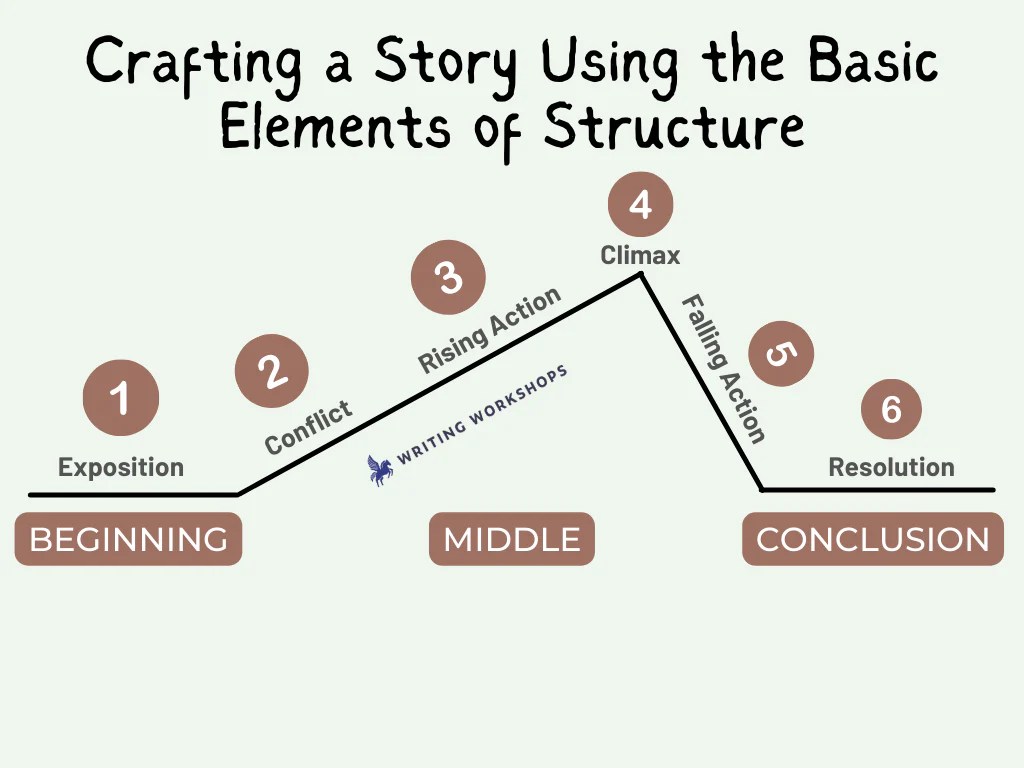
Storyboarding is a crucial pre-production step for any film or animation project, regardless of the narrative structure employed. Understanding how to adapt your storyboarding techniques to different narrative structures ensures a more cohesive and effective final product. This section will explore how to storyboard using Freytag’s Pyramid and a non-linear structure, offering visual descriptions and examples.
Effective storyboarding involves translating the narrative’s key moments into a series of visual panels, each representing a scene or a significant action. Careful consideration of composition, color palettes, and visual metaphors enhances the storytelling power of the storyboard and helps in visualizing the overall mood and pacing of the project.
Storyboarding with Freytag’s Pyramid
Freytag’s Pyramid, a classic narrative structure, comprises exposition, rising action, climax, falling action, and resolution. Each stage demands a distinct visual approach in the storyboard.
A systematic approach to storyboarding using Freytag’s Pyramid involves creating a series of panels that visually represent the progression of the narrative through each stage. The visual style should reflect the emotional tone and pacing of each section.
- Exposition: The initial panels should establish the setting and introduce the main characters. Visuals might include establishing shots of the environment, character introductions with clear visual cues to their personalities, and hints at the central conflict. For example, a wide shot of a bustling marketplace could establish the setting, while close-ups of a worried merchant and a suspicious stranger could introduce the main characters and hint at an upcoming conflict.
- Rising Action: These panels should depict the escalating conflict and increasing tension. The visuals should reflect this through dynamic composition, such as diagonal lines or close-ups of tense expressions. Color palettes could shift from calm to more saturated and intense hues. An example might be a series of panels showing the merchant’s increasing worry, culminating in a confrontation with the stranger.
- Climax: The climax is the most visually dramatic part. The storyboard panel should emphasize the peak of the conflict with a strong composition and dynamic action. A high-contrast color palette could further enhance the drama. Imagine a powerful panel depicting a physical fight or a moment of intense emotional confrontation.
- Falling Action: These panels should show the immediate aftermath of the climax, depicting the consequences of the conflict. The visuals should reflect a sense of resolution or letting go, perhaps with calmer compositions and less intense colors. For example, the panels could show the aftermath of the fight, with the characters assessing the situation.
- Resolution: The final panels should provide closure, showing the outcome of the conflict and the characters’ new state. A sense of calm and stability should be conveyed through the visuals. The final panel could be a wide shot, showing a changed environment or the characters in a new, resolved state.
Storyboarding a Non-Linear Narrative: In Media Res
In Media Res, a narrative that begins in the midst of the action, presents a unique challenge for storyboarding. The storyboard needs to effectively convey the story’s fragmented timeline while maintaining viewer engagement.
Effectively storyboarding a non-linear narrative requires careful planning and clear visual cues to guide the audience through the jumps in time and perspective. Visual metaphors and symbolic imagery can help establish connections between seemingly disparate events.
- Establish the Present: The initial panels should immediately plunge the viewer into the action. Use dynamic composition and strong visuals to grab attention. For instance, a close-up of a character’s frantic face during a chase scene could immediately set the tone.
- Use Visual Cues for Flashbacks/Flashforwards: Employ distinct visual styles or color palettes to differentiate between the present and past/future timelines. For example, desaturated colors could represent flashbacks, while brighter, more vibrant colors could represent the present.
- Visual Transitions: Use transitional panels to indicate shifts in time or perspective. These could be abstract images, symbolic representations, or quick cuts to show the passage of time or a change in location.
- Maintain Narrative Clarity: Even with a non-linear structure, the storyboard must maintain narrative clarity. Use annotations and captions to help clarify the timeline and relationships between events.
Applying Storyboarding to Different Media
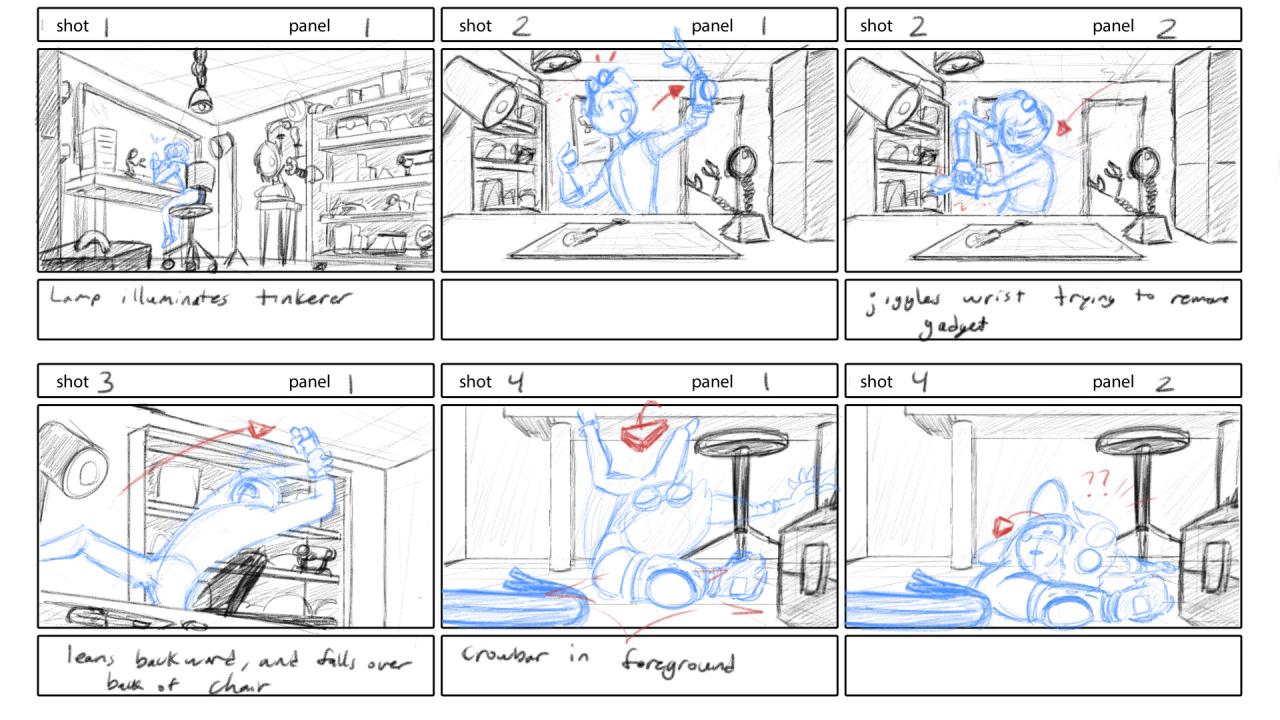
Storyboarding is a versatile pre-production tool applicable across various media, each requiring adjustments to its visual language and level of detail. While the fundamental principle of visually sequencing a narrative remains consistent, the specific techniques and expectations vary significantly depending on whether the final product is a film, an animation, or a comic book.
Storyboarding adapts to the unique characteristics of each medium, influencing the style, detail, and overall approach. Film storyboards prioritize cinematic composition and camera angles, while animation storyboards focus on character animation and movement. Comic book storyboards emphasize panel layouts and visual storytelling techniques specific to the sequential art form. Understanding these differences is crucial for effective pre-visualization and efficient production.
Storyboard Techniques Across Different Media
The visual language of storyboards differs greatly depending on the intended medium. Film storyboards emphasize camera angles, shot composition, and movement, often including detailed descriptions of lighting and special effects. Animation storyboards, in contrast, focus on character poses, expressions, and the flow of action, often incorporating timing notes and descriptions of animation techniques. Comic book storyboards prioritize panel layouts, visual storytelling techniques like gutters and speech bubbles, and the overall flow of the narrative across the page. Each medium necessitates a different level of detail and visual communication. For instance, a film storyboard might depict a wide shot establishing a location, then a close-up focusing on an actor’s expression, all detailed with camera angles and lighting notes. An animation storyboard would focus on the characters’ movements and expressions across multiple frames, indicating key poses and actions. A comic book storyboard would focus on panel composition, the use of visual metaphors, and the sequencing of events across panels, considering the reader’s eye movement.
Example Storyboard: The Chase – Film Medium
This example uses the “Chase” narrative structure. The medium chosen is film.
- Panel 1: Wide shot. A bustling city street. A car speeds down the street, pursued by a police motorcycle. Camera angle: slightly elevated, following the car. Lighting: bright, sunny day. Sound: car engine roaring, sirens wailing in the distance.
- Panel 2: Medium shot. Inside the car, two figures, a man and a woman, look tense. The man grips the steering wheel, the woman nervously glances in the rearview mirror. Camera angle: slightly over-the-shoulder shot of the man. Lighting: interior car lighting, reflecting on the dashboard. Sound: tense music, muffled siren sounds.
- Panel 3: Close-up. The woman’s worried face, sweat beading on her forehead. Camera angle: eye-level, close-up on her face. Lighting: focused on her face, slightly shadowed. Sound: heartbeat thumping (sound effect).
- Panel 4: Medium shot. The police motorcycle closes in on the car, the officer leaning into the turn. Camera angle: following the motorcycle from behind, slightly low angle to emphasize speed. Lighting: bright sunlight, some shadow from the buildings. Sound: increased siren intensity, engine revving.
- Panel 5: Wide shot. The car swerves sharply, narrowly avoiding a collision with another vehicle. Camera angle: dynamic, following the car’s movement. Lighting: bright sunlight, slight blur from the speed. Sound: screeching tires, horn honking.
Level of Detail Across Media
The level of detail required in storyboards varies considerably across media. Film storyboards often necessitate a high level of detail, including precise camera angles, shot composition, lighting, and special effects notes. This detailed approach is necessary to guide the cinematography and visual effects teams during filming. Animation storyboards require detailed character poses, expressions, and movement, often with timing annotations to ensure smooth animation. The level of detail is crucial for animators to understand the intended flow and timing of actions. Comic book storyboards, while still requiring careful panel composition and visual storytelling, generally require less technical detail than film or animation storyboards. The focus is more on the visual narrative and the sequencing of events across panels. The emphasis is on conveying the story effectively through the visual language of sequential art.
End of Discussion
By understanding and applying these ten narrative structures, and mastering the art of visual storytelling through storyboarding, you’ll gain a powerful toolkit for crafting compelling narratives across film, animation, comics, and beyond. This guide provides not only theoretical knowledge but also practical, step-by-step guidance, enabling you to translate your ideas into visually engaging and emotionally resonant stories.