Storyboarding, a powerful pre-visualization technique, can transform the daunting task of writing into a manageable and even enjoyable process. This guide delves into the art of storyboarding, offering practical strategies to overcome writer’s block and unlock your creative potential. We’ll explore the fundamental steps of storyboarding, from initial brainstorming to final panel layout, and demonstrate how this visual approach can benefit various creative mediums, including film, animation, and video games.
Whether you’re a seasoned screenwriter or a budding storyteller, mastering storyboarding can significantly enhance your narrative development. By visualizing your story before committing to the written word, you can identify plot holes, refine character arcs, and ensure a cohesive and compelling final product. This guide provides a structured approach, equipping you with the tools and techniques to effectively use storyboarding to bring your ideas to life.
Understanding the Storyboard Process
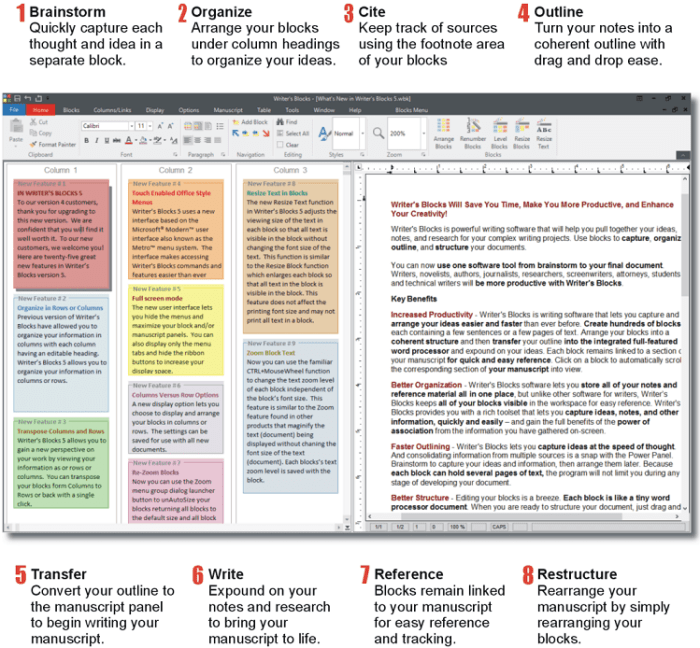
Storyboarding is a visual planning tool used to pre-visualize a film, animation, video game, or any other visual narrative. It’s a crucial step in the creative process, helping to clarify the story’s structure, pacing, and visual elements before production begins, ultimately saving time and resources. A well-crafted storyboard acts as a blueprint for the final product, allowing for collaborative feedback and refinement.
Storyboarding involves a series of sequential drawings or images representing key scenes and moments within the narrative. These visuals are accompanied by concise descriptions, dialogue, and sometimes even camera angles and sound effects. The process facilitates clear communication among the creative team, ensuring everyone is on the same page regarding the project’s vision.
The Stages of Storyboard Creation
The storyboard creation process generally follows several key steps. First, a thorough understanding of the script or narrative is paramount. This involves identifying key plot points, character interactions, and emotional arcs. Next, the artist creates rough sketches, focusing on the composition and visual storytelling of each scene. These sketches are then refined into more polished drawings or digital compositions. Finally, the storyboard panels are assembled into a sequence, allowing for a comprehensive view of the project’s flow. This iterative process often involves revisions and feedback from the creative team to ensure accuracy and effectiveness.
Types of Storyboards and Their Applications
Different types of storyboards cater to specific needs. Film storyboards focus on camera angles, shots, and movement, while animation storyboards emphasize character actions and expressions. Video game storyboards often incorporate user interface elements and interactive sequences. Furthermore, some storyboards are highly detailed and realistic, while others adopt a more simplistic, schematic approach, depending on the project’s complexity and budget. For example, a low-budget independent film might utilize simpler storyboards, while a major Hollywood production will likely employ highly detailed ones.
Traditional vs. Digital Storyboarding
Traditional hand-drawn storyboards offer a tactile and immediate quality, allowing for quick sketching and experimentation. The process is often more personal and intuitive. However, revisions and distribution can be cumbersome. Digital storyboarding, using software like Storyboard Pro or Photoshop, offers greater flexibility, allowing for easy revisions, colorization, and collaboration through shared files. Digital storyboards can also be easily incorporated into editing software for pre-visualization. While the digital method offers greater efficiency and scalability, the hand-drawn method retains a unique artistic charm. The choice between the two methods often depends on individual preference, project requirements, and available resources.
Sample Storyboard Layout
Imagine a scene in a movie where a detective (character A) enters a dimly lit office (setting). A suspect (character B) sits at a desk, nervously fiddling with a pen. The storyboard panel would include a sketch depicting this scene: Character A, silhouetted against the doorway, enters the office. Character B is clearly visible at the desk, his posture conveying anxiety. Below the sketch, a text box would read “INT. OFFICE – NIGHT”. Another text box would describe the action: “Detective enters, observing the suspect’s nervous demeanor.” A smaller text box might contain dialogue: “B: (muttering) I… I didn’t do it.”
Essential Elements of a Storyboard Panel
| Scene Number | Description | Action | Dialogue |
|---|---|---|---|
| 1 | INT. COFFEE SHOP – DAY | Two friends meet, embracing. | “Long time no see!” |
| 2 | EXT. PARK – DAY | They walk and talk, laughing. | “So much has happened…” |
| 3 | INT. RESTAURANT – NIGHT | They enjoy dinner together. | (Sound of laughter and conversation) |
| 4 | EXT. STREET – NIGHT | They say goodbye at a street corner. | “It was great seeing you.” |
Tackling Writer’s Block

Pre-visualization is a crucial step in storyboarding, especially when facing writer’s block. It involves mentally and physically preparing the ground for your storyboard by generating ideas and developing a compelling narrative *before* you even begin sketching panels. This proactive approach helps overcome the initial creative hurdles and allows for a smoother, more efficient storyboarding process.
Mind Mapping and Visual Brainstorming
Mind mapping offers a powerful visual approach to brainstorming storyboard content. Start with your central idea – the core concept of your story – in the center of a page. Then, branch out from this central idea, adding related concepts, characters, scenes, and plot points. Use s, images, and colors to represent different aspects of your story. This visual representation helps you connect seemingly disparate ideas and identify potential narrative threads you might otherwise miss. For example, if your central idea is “a robot learning to love,” branches might include “initial programming,” “encounter with a child,” “mechanical limitations,” “emotional development,” and “final act of self-sacrifice.” The interconnectedness becomes readily apparent, fostering a clearer narrative structure.
Freewriting and Loose Sketching
Freewriting involves writing continuously for a set period, without worrying about grammar, spelling, or structure. This technique helps unlock hidden ideas and overcome the pressure of creating a perfect narrative from the outset. Similarly, loose sketching allows you to visually explore your ideas without the constraints of detailed drawing. Quickly sketching characters, environments, and key scenes can help you visualize your story and identify potential visual challenges or opportunities. For instance, freewriting might produce a stream of consciousness like, “Rusty the robot…clunky movements…sees a child playing…feels something…protective instinct…oil leaks…sadness…sacrifice…” These fragmented thoughts can then be organized and developed into a cohesive narrative.
Pre-Visualization Exercises: Scene and Character Development
Several exercises can help visualize scenes and characters before starting the storyboard. One effective method is to write detailed scene descriptions from different perspectives. Imagine yourself as each character within the scene and describe what they see, hear, feel, and think. This immersive exercise helps you understand the emotional nuances of each scene and create more compelling visuals. Another exercise involves creating character profiles that go beyond basic descriptions. Include details about their personality, motivations, relationships, and even their physical appearance down to the smallest detail (like a specific scar or a favorite piece of clothing). This level of detail enhances your understanding of the characters and allows you to design them convincingly in your storyboard. For example, a character profile might detail a character’s nervous habit of fidgeting with their glasses, influencing how you depict them in action scenes.
Storyboarding for Different Media
Storyboarding adapts significantly depending on the chosen medium. While the core principle – visually planning a narrative – remains consistent, the approach, panel layout, and visual style change drastically between film, animation, video games, and comics. Understanding these differences is crucial for effective storytelling across various platforms.
Storyboarding techniques vary considerably across different media, influenced by the unique characteristics of each format. Film storyboards prioritize cinematic composition and camera angles, while animation storyboards emphasize character movement and expression. Video game storyboards focus on interactive elements and branching narratives, whereas comic book storyboards consider panel sequencing and visual storytelling within a fixed page layout.
Storyboard Techniques Across Different Media
The differences are substantial. Film storyboards typically resemble a series of cinematic shots, focusing on camera angles, framing, and action within each panel. Animation storyboards, conversely, detail character poses, expressions, and the flow of movement between frames. Video game storyboards incorporate interactive elements, depicting different screen states, user interface (UI) elements, and branching paths based on player choices. Comic book storyboards concentrate on panel composition, visual storytelling techniques like gutters and speech bubbles, and the overall flow of the narrative across the page.
Panel Layout and Visual Style Differences
Panel layouts reflect the medium’s inherent structure. Film storyboards use rectangular panels mimicking the aspect ratio of the final film, often including detailed notes on camera movement, lighting, and sound. Animation storyboards might use a more dynamic layout, showing multiple frames per panel to illustrate movement, while video game storyboards may use a combination of screen captures and annotated diagrams to show UI elements and interactive options. Comic book storyboards are characterized by diverse panel shapes and sizes, reflecting the artistic style and narrative pacing. Visual style also varies significantly. Film storyboards tend to be more realistic, reflecting the final film’s aesthetic, while animation storyboards can be more stylized, reflecting the animation’s unique visual language. Video game storyboards will show mock-ups of the game’s UI and in-game assets, and comic book storyboards directly reflect the artistic style of the comic.
Storyboarding Interactive Narratives
Storyboarding interactive narratives, like video games, presents unique challenges. Instead of a linear sequence, the storyboard needs to account for multiple branching paths, player choices, and different outcomes. This often involves creating multiple storyboards for different scenarios or using a flowchart-like structure to map out potential narrative branches. Key considerations include depicting player agency, feedback mechanisms, and how choices impact the narrative’s progression. Linear storytelling, on the other hand, follows a single, predetermined path, simplifying the storyboarding process.
Example: A Short Scene in a Different Medium
Let’s consider a short scene: a character discovers a hidden room. In a comic book storyboard, this might involve three panels. Panel 1: A close-up of the character’s hand brushing against a loose brick in a wall, using hatching to show texture. Panel 2: A wider shot showing the character pushing the brick, revealing a dark opening. Panel 3: A dramatic reveal of the character stepping into the hidden room, filled with shadows and mysterious objects. The design choices prioritize visual storytelling through panel composition and artistic style to create suspense and intrigue.
Visual Representation: Short Film vs. Video Game Storyboard
A short film storyboard would depict a series of rectangular panels, each representing a shot with detailed annotations regarding camera angles (e.g., “low angle shot,” “close-up”), lighting (“chiaroscuro lighting”), and action. A video game storyboard, however, would show mock-ups of the game’s user interface, different screen states based on player actions, and potentially flowchart-like diagrams showing branching narratives. For example, one panel might depict the character’s inventory screen, while another might show multiple possible outcomes based on whether the player chooses to interact with a specific object in the hidden room. The visual style would differ considerably, with the film storyboard resembling realistic cinematography and the video game storyboard featuring in-game assets and UI elements.
Epilogue
Overcoming writer’s block often requires a shift in perspective, and storyboarding provides precisely that. By transforming abstract ideas into concrete visual representations, you bypass the mental barriers that often hinder the creative process. This guide has equipped you with the foundational knowledge and practical strategies to leverage storyboarding as a powerful tool for unlocking your narrative potential. Embrace the visual approach, experiment with different techniques, and discover the transformative power of storyboarding in your creative journey.