Landing your dream job often hinges on effectively showcasing your skills and experience. This guide explores the power of storyboarding as a unique and compelling tool to achieve this goal. We’ll delve into how to craft visual narratives for your resume, portfolio, and networking efforts, ultimately transforming your job search into a strategic and visually engaging campaign.
Through practical examples and actionable tips, you’ll learn how to design storyboards that highlight your strengths, address potential challenges, and confidently present yourself to prospective employers. This approach moves beyond traditional resumes and cover letters, allowing you to create a memorable and lasting impression.
Understanding the Job Market and Storyboarding Your Path

Successfully navigating the job market requires a strategic approach. Storyboarding, a visual planning technique, can be a powerful tool for visualizing your career trajectory and crafting a compelling narrative for potential employers. By mapping out your career goals and the steps needed to achieve them, you can present yourself as a focused and prepared candidate. This section will explore how to leverage storyboarding to understand the job market and position yourself for success.
Strong visual communication skills are increasingly valued across diverse industries. Understanding where these skills are most in-demand can help you tailor your approach and highlight your capabilities effectively.
Industries Valuing Visual Communication
Three industries where visual communication skills are highly prized are advertising, film production, and software development. These fields rely heavily on conveying complex information and ideas in a clear and engaging manner.
In advertising, visual storytelling is paramount. Roles like Art Director, Graphic Designer, and UX Designer directly benefit from storyboarding skills. They use storyboards to plan and visualize advertising campaigns, ensuring a cohesive message across various media. In film production, storyboarding is integral to the pre-production process. Roles such as storyboard artist, director, and cinematographer use storyboards to plan shot composition, camera angles, and scene transitions. Finally, in software development, UX/UI designers employ storyboarding to map out user journeys and interactions, creating intuitive and user-friendly interfaces.
Storyboarding a Successful Job Interview
A storyboard can effectively illustrate the key moments of a successful job interview, helping you practice and visualize a positive outcome. This allows you to anticipate potential questions and formulate confident responses.
Imagine a six-panel storyboard. Panel 1: Shows the candidate arriving, confidently shaking the interviewer’s hand. Dialogue: “It’s a pleasure to meet you.” Panel 2: The interviewer asks a question about the candidate’s experience. Dialogue: “Tell me about a time you overcame a significant challenge.” Panel 3: The candidate confidently explains a relevant experience, using clear and concise language, accompanied by hand gestures. Panel 4: The interviewer is engaged and asks a follow-up question. Dialogue: “That’s impressive, can you elaborate on…?” Panel 5: The candidate provides a thoughtful and detailed response. Panel 6: The interview concludes with a positive exchange. Dialogue: “Thank you for your time, I’m very interested in this opportunity.” The overall visual tone should depict confidence, enthusiasm, and preparedness.
Personal Brand Storyboarding for Differentiation
A personal brand storyboard allows you to visually represent your unique skills and experiences, setting you apart from other candidates. It transforms your resume and cover letter into a dynamic narrative that showcases your personality and passion.
Visual elements could include icons representing your skills (e.g., a coding icon for programming skills, a presentation icon for communication skills), images representing past achievements (e.g., a photo of a successful project, a graph illustrating positive results), and a timeline highlighting key career milestones. The overall design should be visually appealing and reflect your personal brand aesthetic. For example, a candidate applying for a creative role might use a vibrant color palette and hand-drawn illustrations, while a candidate applying for a technical role might opt for a more minimalist design with clean lines and data visualizations. This visual representation of your skills and experiences creates a memorable impression on recruiters and hiring managers.
Crafting a Compelling Visual Narrative for Your Resume and Portfolio

Creating a visually engaging resume and portfolio is crucial in today’s competitive job market. A well-designed storyboard can help you plan and execute a compelling narrative that effectively showcases your skills and experience, leaving a lasting impression on potential employers. This section will explore strategies for crafting such a narrative, focusing on visual storytelling techniques for online portfolios and resume presentations.
Storyboarding the Creation of a Professional Online Portfolio
Building a professional online portfolio is a multi-step process that benefits from a clear visual plan. The following storyboard Artikels the key stages, using visual representations to illustrate each step.
[Imagine a storyboard with five panels. Panel 1: A person sitting at a computer, brainstorming ideas and jotting notes. Caption: “Idea Generation & Content Planning”. Panel 2: A person selecting high-quality images and project screenshots. Caption: “Gathering High-Quality Visual Assets”. Panel 3: A person designing a clean and modern website layout using a design program. Caption: “Website Design & Development”. Panel 4: A person carefully writing project descriptions and adding relevant s. Caption: “Content Writing & Optimization”. Panel 5: A person reviewing and publishing the portfolio online. Caption: “Publishing & Promotion”]. This storyboard emphasizes the iterative nature of portfolio creation, from initial concept to final launch. Each step is represented visually, making the process easily understandable.
Three Storyboard Styles for Presenting a Project Portfolio
Different storyboard styles can effectively highlight various skill sets. Three examples are presented below:
1. Chronological Storyboard: This style presents projects in chronological order, emphasizing career progression and skill development over time. [Imagine a storyboard with three panels, each showing a different project with a date. Panel 1: An early project showing basic skills. Panel 2: A more complex project demonstrating improved skills. Panel 3: A recent project highlighting advanced skills and expertise]. This is effective for showcasing a consistent growth trajectory.
2. Thematic Storyboard: This approach groups projects based on similar themes or skill sets. [Imagine a storyboard with three panels, each focusing on a specific skill. Panel 1: Multiple projects showcasing web design skills. Panel 2: Projects highlighting graphic design skills. Panel 3: Projects demonstrating programming abilities]. This is best for emphasizing specific expertise within a broader range of experience.
3. Problem-Solution Storyboard: This style focuses on presenting projects as solutions to specific problems. [Imagine a storyboard with three panels, each illustrating a problem, solution, and result. Panel 1: A problem is presented visually, perhaps with a graphic depicting a challenge. Panel 2: The solution is shown as a flowchart or diagram. Panel 3: The positive outcome is displayed visually, perhaps with a chart showing improved performance]. This is effective for highlighting problem-solving abilities and the impact of the work.
Visually Engaging Presentation of Project Challenges, Solutions, and Results
Effectively communicating a project’s journey requires a visually compelling narrative. Visual metaphors can significantly enhance this storytelling process.
[Imagine a storyboard with three panels. Panel 1: A mountain representing a significant challenge the project faced. Caption: “Overcoming the Mountain of Technical Difficulties”. Panel 2: A bridge connecting the mountain’s peak to a successful outcome. Caption: “Building a Bridge to Success through Innovative Solutions”. Panel 3: A lush valley representing the positive results achieved. Caption: “Reaping the Rewards of a Successful Project”]. This example uses visual metaphors to illustrate the project’s challenges, the solutions implemented, and the positive outcomes achieved. The use of strong imagery enhances the narrative and makes it more memorable.
Leveraging Storyboarding for Networking and Interviews
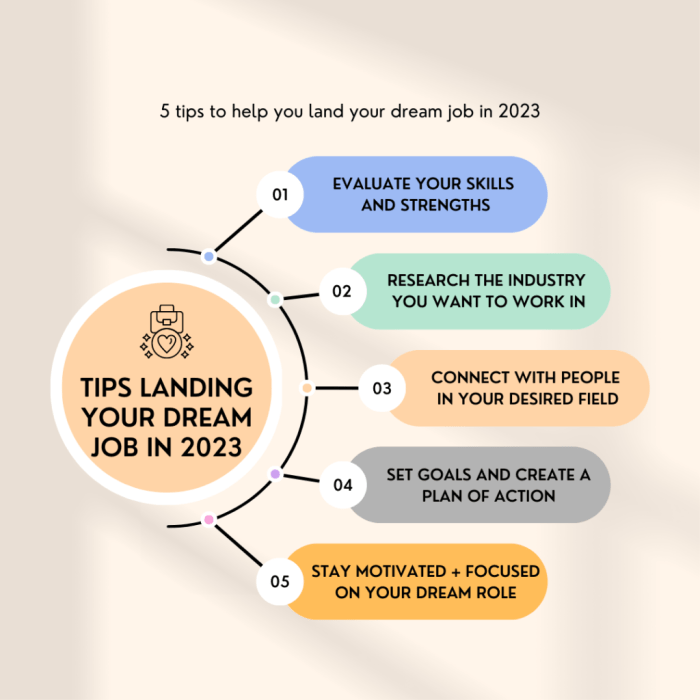
Storyboarding isn’t just for creative professionals; it’s a powerful tool for visualizing and planning your career trajectory. By creating visual representations of key career moments, you can refine your approach to networking, interviews, and even salary negotiations, increasing your chances of landing your dream job. This section will demonstrate how to use storyboarding to prepare for these crucial career stages.
Storyboarding provides a structured method for visualizing and practicing key interactions, allowing for smoother and more confident execution. This visual planning approach reduces anxiety and increases preparedness, leading to more successful outcomes in networking and interview settings. The following examples illustrate how to effectively storyboard these critical career steps.
Networking at Career Fairs and Industry Events
A storyboard for effective networking at a career fair could begin with a panel showing the individual entering the event, dressed professionally and carrying a portfolio. The next panel might depict them approaching a company booth, actively listening to a representative and engaging in conversation. Visual cues such as a speech bubble showing an insightful question or a handshake could be included. Subsequent panels could show the exchange of business cards, a follow-up email being sent, and finally, a potential interview invitation. Each panel acts as a step in the process, helping to visualize the overall strategy. Consider using distinct colors to highlight key actions, like a vibrant green for initiating conversation and a bright blue for successful information exchange.
Applying the STAR Method in Behavioral Interview Questions
Storyboarding the STAR method (Situation, Task, Action, Result) for behavioral interview questions is incredibly useful. For example, a question like “Tell me about a time you failed” could be storyboarded. Panel one depicts the “Situation”: a complex project with tight deadlines. Panel two illustrates the “Task”: your specific role and responsibilities within the project. Panel three shows the “Action”: the steps taken, perhaps including a visual of a brainstorming session or late nights working. Finally, panel four showcases the “Result”: the outcome, both positive learnings and negative consequences, and what was gained from the experience. Using different colors for each component (e.g., red for Situation, orange for Task, yellow for Action, and green for Result) adds clarity.
Presenting Salary Expectations and Negotiating a Job Offer
A storyboard for salary negotiation could begin with a panel depicting the offer letter. The next panel could visually represent researching industry salary benchmarks, perhaps with a graph showing salary ranges. The following panel could show a confident discussion, represented by speech bubbles illustrating assertive but polite communication. Visual elements like a chart depicting the candidate’s value proposition to the company (skills, experience, potential contributions) could strengthen the negotiation stance. The final panel shows a mutually agreeable salary, visually represented by a handshake or a signed contract. Using icons representing key negotiation points (e.g., a scale for balancing needs, a magnifying glass for research, a handshake for agreement) would make the storyboard even more impactful.
Concluding Remarks

Mastering the art of visual storytelling through storyboarding can significantly elevate your job search. By strategically crafting compelling narratives across your resume, portfolio, and networking interactions, you’ll not only stand out from the competition but also confidently navigate the complexities of the job market. Remember, a well-executed storyboard is a powerful tool for self-promotion, leaving a lasting impression and significantly increasing your chances of securing your dream role.