Mastering the art of visual storytelling hinges on understanding how color impacts mood and tone. This guide delves into six key color techniques, transforming your storyboards from static images to emotionally resonant narratives. We’ll explore color theory fundamentals, practical applications, and advanced strategies to elevate your visual storytelling skills.
From understanding the emotional weight of warm versus cool colors to leveraging color symbolism and contrast, we’ll equip you with the tools to create compelling storyboards that effectively communicate your vision. Learn how to use color to establish setting, highlight key characters, and even depict a character’s emotional journey across a sequence of panels. This guide provides a practical, step-by-step approach, illustrated with examples and actionable advice.
Understanding Color Theory in Storyboarding
Color theory plays a crucial role in establishing the mood and tone of a storyboard. By understanding the principles of color, storyboard artists can effectively communicate emotions and guide the viewer’s experience. The strategic use of color enhances the narrative and contributes significantly to the overall visual impact of the story.
Warm Versus Cool Colors in Storyboarding
Warm colors, such as reds, oranges, and yellows, generally evoke feelings of warmth, excitement, energy, and sometimes even aggression. Cool colors, like blues, greens, and purples, tend to create a sense of calmness, serenity, sadness, or mystery.
Consider a storyboard panel depicting a character standing alone on a beach at sunset. If the sunset is rendered in warm, vibrant oranges and reds, the scene might feel hopeful and romantic. However, if the same scene is depicted with cool blues and purples dominating the sky, the mood could shift to one of loneliness or melancholy. The character’s posture and expression would further amplify the effect, but the color palette lays the groundwork for the emotional response.
Color Saturation and Emotional Intensity
Color saturation refers to the intensity or purity of a color. Highly saturated colors are vivid and bold, while desaturated colors are muted and less intense. The level of saturation directly impacts the emotional intensity conveyed in a scene.
For example, a scene depicting a tense confrontation could use highly saturated reds and oranges to heighten the feeling of anger and conflict. Conversely, a peaceful, quiet scene might employ desaturated blues and greens to convey a sense of calm and tranquility. A highly saturated red might suggest intense rage, while a desaturated red might indicate a simmering resentment.
Analogous and Complementary Color Schemes
Analogous color schemes utilize colors that are adjacent to each other on the color wheel (e.g., blue, blue-green, and green). These schemes create a harmonious and visually pleasing effect, often conveying a sense of unity and tranquility. They are well-suited for scenes that require a sense of consistency or calm.
Complementary color schemes use colors that are opposite each other on the color wheel (e.g., red and green, blue and orange). These combinations create a higher degree of contrast and visual interest. They can be used to create dramatic tension or to highlight specific elements within a scene. A scene using complementary colors might feel more dynamic and visually striking than one using analogous colors.
Color Palettes and Emotional Responses
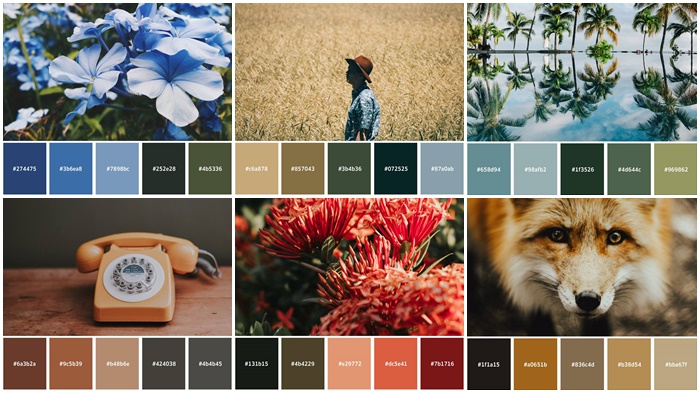
The following table illustrates six different color palettes and their typical emotional associations in storyboarding:
| Color Palette | Dominant Colors | Emotional Response | Storyboard Example |
|---|---|---|---|
| Muted Tones | Desaturated blues, greens, browns | Calmness, nostalgia, serenity | A quiet, contemplative scene in a forest at dawn. |
| Vibrant Hues | Bright reds, oranges, yellows | Excitement, energy, passion | A bustling marketplace scene, full of activity and vibrant life. |
| Cool and Serene | Light blues, greens, lavenders | Peacefulness, tranquility, hope | A character meditating peacefully by a clear lake. |
| Dark and Mysterious | Deep blues, purples, blacks | Suspense, mystery, fear | A shadowy alleyway at night, hinting at danger. |
| Warm and Intimate | Warm oranges, reds, browns | Comfort, closeness, security | A family gathered around a fireplace, sharing a meal. |
| High Contrast | Bright yellows and deep blues | Drama, tension, conflict | A dramatic confrontation between two characters, one dressed in bright yellow, the other in deep blue. |
Applying Six Color Techniques to Storyboard Panels
Color is a powerful tool in storyboarding, capable of instantly conveying mood, setting, and character emotion. By strategically employing color palettes and techniques, storyboard artists can significantly enhance the narrative impact of their work, guiding the viewer’s interpretation and creating a cohesive visual experience. This section will explore how six specific color techniques can be applied to individual storyboard panels to achieve these effects.
Setting Establishment Through Color
Color is fundamental in establishing the setting of a scene. A dark, saturated palette of deep blues, purples, and blacks can instantly create a sense of mystery and foreboding, ideal for a dark forest scene. Imagine a panel depicting a lone figure shrouded in shadow, silhouetted against a backdrop of inky black trees, with just a sliver of moonlight piercing through the canopy. The deep colors contribute to the feeling of unease and danger. Conversely, a bright, cheerful beach scene could be depicted using vibrant yellows, oranges, and blues. Think of a panel showing bright sunlight reflecting off the sand, the sea a dazzling turquoise, and characters dressed in light, summery clothing. This vibrant palette immediately communicates warmth, happiness, and relaxation.
Color Highlighting in Storyboard Panels
The following three panels demonstrate the use of color to emphasize key characters or objects:
Panel 1: A close-up on a character’s face, their skin tones are slightly desaturated and muted, except for their eyes which are vividly highlighted with a bright, almost glowing color, suggesting a sudden realization or intense emotion. The background is blurred and uses muted tones to keep the focus on the character’s eyes. This draws the viewer’s attention directly to their emotional state.
Panel 2: A wide shot of a bustling marketplace. A specific stall, selling rare and precious gems, is rendered in jewel-toned colors that stand out sharply from the more muted tones of the rest of the market. The vibrant colors draw the viewer’s eye to the importance of the stall and perhaps hint at a significant plot point involving the gems.
Panel 3: A dimly lit room. A single object, a mysterious antique box, is bathed in a warm, golden light, sharply contrasting with the cool blues and greens of the surrounding environment. The light source is not explicitly shown, adding to the box’s air of mystery and importance. This highlights the box as a key element within the scene.
Demonstrating a Character’s Emotional Arc Through Color
A storyboard sequence can effectively illustrate a character’s emotional journey using a progressive shift in color. Consider a sequence showing a character initially experiencing sadness. The first panel might be dominated by cool blues and greys, reflecting their depressed mood. The second panel, as their mood begins to lift, might introduce warmer tones of yellow and orange into the background and clothing. The final panel, depicting their joy, could be filled with bright, saturated yellows, oranges, and reds, clearly conveying the transformation in their emotional state. This progression of color guides the viewer through the character’s arc, creating a visual representation of their internal change.
Color Progression Reflecting Time and Environmental Change
A series of panels could depict a character’s journey through a changing landscape and time. The first panel, set during a bright morning, could utilize warm, saturated yellows and oranges. As the day progresses to midday, the colors might shift to a warmer, slightly more intense palette. As evening approaches, cooler blues and purples could dominate, with the final panel showing a dark, cool-toned night scene, showcasing the progression of time and change in the environment. This gradual shift in color palette reflects the passage of time and the associated changes in lighting and atmosphere.
Advanced Color Techniques and Storyboard Composition
Mastering basic color theory is only the first step in using color effectively in your storyboards. This section delves into more advanced techniques, focusing on how strategic color choices can enhance visual storytelling and guide the viewer’s experience. We’ll explore how to leverage contrast, symbolism, and temperature to create richer, more impactful storyboards.
Effective use of color goes beyond simply choosing pleasing palettes; it’s about manipulating the viewer’s perception to enhance the narrative. By understanding and applying these advanced techniques, you can elevate your storyboards from functional representations to powerful visual narratives.
Color Contrast and Visual Guidance
Color contrast is crucial for creating visual interest and directing the viewer’s eye. High contrast, achieved by juxtaposing light and dark colors or complementary colors, draws attention to specific elements. For instance, a brightly lit character against a dark background immediately becomes the focal point. Conversely, low contrast can create a sense of calmness or ambiguity. Consider using a muted color palette for a scene depicting a quiet, introspective moment. Strategic use of contrast ensures that the viewer’s gaze is effortlessly guided through the storyboard, highlighting key actions and emotions. The skillful use of contrast prevents visual clutter and maintains a clear narrative flow.
Color Symbolism and Deeper Meanings
Color symbolism transcends cultural boundaries to a certain extent, but also varies depending on context and audience. Red often symbolizes passion, anger, or danger; blue can represent calmness, sadness, or trust; green suggests nature, growth, or envy; yellow can convey happiness, optimism, or warning. However, these are broad generalizations. A skilled storyboard artist can utilize these associations, or subvert them, to create layered meaning. For example, a character wearing a red dress might be initially perceived as passionate, but if the overall scene is dark and ominous, the red could foreshadow danger or impending doom. The subtle interplay between color and context allows for deeper thematic exploration.
Color Temperature and Time of Day/Season
Color temperature refers to the warmth or coolness of a color. Warm colors (reds, oranges, yellows) suggest warmth, excitement, or daytime settings, while cool colors (blues, greens, purples) evoke calmness, serenity, or nighttime scenes. By carefully adjusting the color temperature across a storyboard sequence, you can effectively convey the passage of time or a change in season. A scene bathed in warm, golden light suggests a sunny afternoon, while a scene dominated by cool blues and purples evokes a moonlit night. This subtle yet powerful technique contributes significantly to the overall atmosphere and realism of your storyboard.
Storyboard Panel: A Complex Scene
Imagine a scene: a bustling marketplace at sunset. The central focus is a young woman, visibly anxious, searching for someone amidst the crowd.
To manage visual complexity, I’d use a warm, but slightly desaturated color palette. The sunset would be rendered in muted oranges and reds, creating a feeling of impending night. The woman’s clothing would be a slightly more saturated teal, making her stand out against the background. The surrounding crowd would be depicted using a variety of desaturated earth tones, preventing them from overwhelming the main subject. The person she is searching for, a figure partially obscured in the distance, would be rendered in a warm, inviting orange-yellow to hint at hope. This strategic color use ensures the viewer’s eye is immediately drawn to the woman’s anxiety, while the warm tones of the sunset and the distant figure provide a sense of hope amidst the chaos. The overall palette balances warmth and coolness, mirroring the emotional complexity of the scene.
Final Thoughts
By understanding and applying these six color techniques, you can significantly enhance the emotional impact and visual clarity of your storyboards. Remember, color is not just about aesthetics; it’s a powerful tool for conveying meaning, setting atmosphere, and guiding the viewer’s eye. Through careful consideration of color palettes, saturation, and contrast, you can craft compelling visual narratives that resonate deeply with your audience. Experiment, iterate, and watch your storyboards come alive with vibrant emotion and meaning.