Mastering the art of suspense in storytelling requires a keen understanding of visual narrative. This guide delves into the intricacies of storyboarding, providing eight practical tips to effectively build suspense through strategic visual techniques. We’ll explore how to leverage camera angles, lighting, color palettes, and pacing to create a gripping and unforgettable viewing experience for your audience. From understanding fundamental narrative structures to refining your storyboard panels, this guide equips you with the tools to craft truly suspenseful scenes.
We will cover core elements of suspenseful narratives, explore visual storytelling techniques like the strategic use of close-ups and wide shots, and even delve into the power of sound effects (described textually) to enhance the tension. Practical examples and a step-by-step approach will help you translate these concepts into compelling visuals, ensuring your storyboards effectively communicate the desired level of suspense.
Understanding the Fundamentals of Storyboarding for Suspense
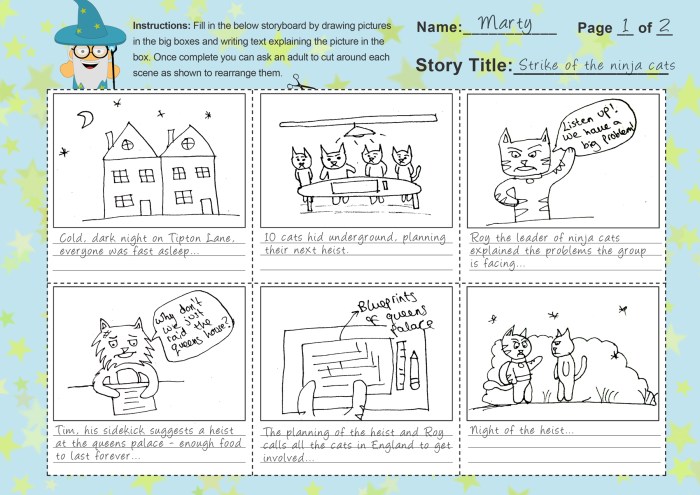
Storyboarding for suspense requires a deep understanding of narrative structure and the power of visual storytelling. Mastering this allows you to translate the feeling of unease and anticipation directly onto the page, guiding the viewer through a carefully crafted experience of escalating tension. Effective storyboards for suspense aren’t just about depicting events; they’re about manipulating the audience’s emotions through considered visual choices.
Suspenseful narratives hinge on several core elements. First, there’s the establishment of a threat or impending danger, often implied rather than explicitly shown. Second, a sense of vulnerability or uncertainty is created within the protagonist, and by extension, the audience. Third, the pacing is crucial; a slow build-up of tension is often more effective than sudden bursts of action. Finally, the resolution, or lack thereof, plays a vital role in determining the overall impact of the suspense. The longer the resolution is delayed, the more potent the suspense becomes.
Visual Storytelling and Suspense
Visual storytelling is paramount in building suspense within a storyboard. The carefully chosen composition of each panel, the strategic use of light and shadow, and the selection of camera angles all contribute to the overall atmosphere. Unlike a written script, the storyboard directly communicates the visual language of the scene, allowing the director and crew to anticipate and execute the desired level of tension. By meticulously planning the visual elements, the storyboard artist preemptively shapes the viewer’s emotional response, creating a powerful tool for controlling the pace and intensity of the suspense.
Camera Angles and Shots in Suspense
Different camera angles and shots significantly impact the viewer’s perception of suspense. A low-angle shot, for instance, can make a character appear powerful and threatening, while a high-angle shot can make them seem vulnerable or insignificant. Extreme close-ups on a character’s fearful expression can heighten tension, whereas a wide shot might establish the vastness of a threatening environment. The use of point-of-view shots (POV) can directly immerse the viewer into the character’s experience, amplifying their fear and uncertainty. Similarly, long shots can build anticipation by showcasing a character’s isolation or the approaching danger. In contrast, a quick succession of close-ups and quick cuts can increase the sense of urgency and chaos.
Storyboard Panel: High Tension
Imagine a single panel: The scene is a dimly lit alleyway at night. Rain slicks the cobblestones, reflecting the weak glow of a distant streetlight. A lone figure, their back to the viewer, stands hunched over, seemingly listening intently. Their shoulders are tense, their head slightly tilted. A shadow stretches long and distorted behind them, obscuring much of the alleyway. The only other visible detail is a pair of eyes, gleaming faintly in the darkness, visible just above the shadow line and slightly to the side of the figure’s head. This panel, through its use of lighting, shadow, and composition, instantly communicates a moment of high tension without any dialogue or explicit action. The viewer is left to interpret the threat, feeling the character’s vulnerability and anticipating what might happen next. The use of darkness and a looming shadow creates a palpable sense of unease, and the subtle gleam of eyes in the background hints at an unseen predator or danger, heightening the suspense.
Developing Suspense Through Visual Storytelling Techniques
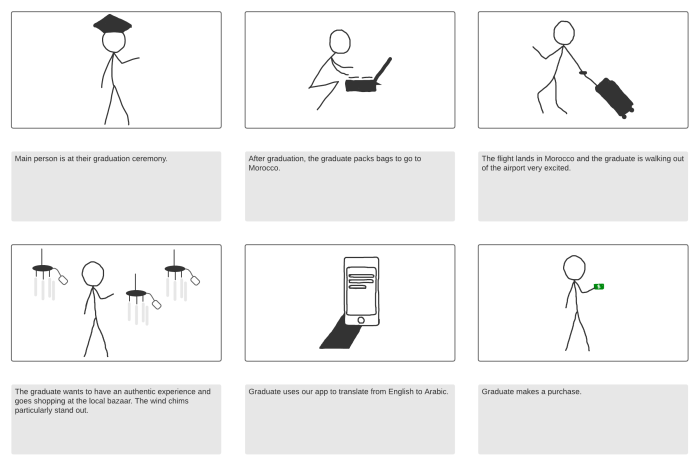
Visual storytelling is paramount in building suspense. By carefully manipulating visual elements, storyboard artists can guide the audience’s emotional response, creating a palpable sense of anticipation and unease. The strategic use of composition, color, and lighting can subtly amplify the narrative’s inherent tension, drawing the viewer deeper into the story’s unfolding mystery.
Methods for Creating a Sense of Impending Doom
Effective visual storytelling relies on techniques that create a feeling of impending threat without explicitly showing it. Three key methods include the use of foreshadowing, strategic framing, and symbolic imagery. These techniques work in tandem to build layers of suspense, gradually escalating the tension as the narrative progresses.
Color Palettes and Lighting for Suspense
Color palettes and lighting play a crucial role in establishing mood and atmosphere. A predominantly dark, desaturated color scheme, punctuated by flashes of vibrant, contrasting colors (like a red object in a dimly lit room), can create a sense of unease and impending danger. Similarly, strategic use of shadows and contrasting light sources (like a single, harsh spotlight) can highlight key elements, focusing the viewer’s attention on potential threats or emphasizing the vulnerability of the protagonist. Think of a horror film where a character is illuminated by a single flickering lightbulb, casting long, distorted shadows on the walls—this immediately conveys a sense of isolation and vulnerability. Conversely, a bright, overly saturated environment can feel unnatural and unsettling, hinting at something being amiss.
Close-Ups Versus Wide Shots in Building Suspense
The choice between close-ups and wide shots significantly impacts the viewer’s experience. Close-ups, focusing on a character’s eyes or a detail of their environment, can heighten tension by amplifying their emotional state or highlighting a specific threat. A close-up on a character’s sweating brow, for instance, communicates their fear and anxiety more effectively than a wide shot. Wide shots, on the other hand, can create a sense of isolation or vulnerability by showcasing the vastness of the environment and the character’s smallness within it. A lone figure walking across a deserted landscape at night is a classic example of how a wide shot can heighten suspense. The contrast between these shots—alternating between close-ups and wide shots—can create a powerful rhythmic effect, building tension gradually.
Storyboard Panels Showing Gradual Increase in Suspense
The following storyboard panels demonstrate a gradual increase in suspense, illustrating the interplay between visual techniques.
| Panel 1: A wide shot of a deserted street at night. A lone figure walks in the distance, their back to the camera. The overall color palette is dark, with muted blues and grays. | Panel 2: A medium shot focusing on the lone figure. Their pace quickens slightly. A subtle shadow moves behind them, barely perceptible. | Panel 3: A close-up on the figure’s hand clutching a small, metallic object. Their knuckles are white. The shadow behind them is now more pronounced. |
| Panel 4: A medium shot showing the figure glancing nervously over their shoulder. The shadow has solidified into a dark, looming figure. | Panel 5: A close-up on the figure’s face, now filled with fear. Their eyes are wide, reflecting the dim light. The looming figure is partially visible in the background. | Panel 6: A close-up on the metallic object in the figure’s hand, now revealed to be a small, antique key. The dark figure is clearly visible, advancing rapidly. |
Practical Application and Refinement of Suspenseful Storyboards
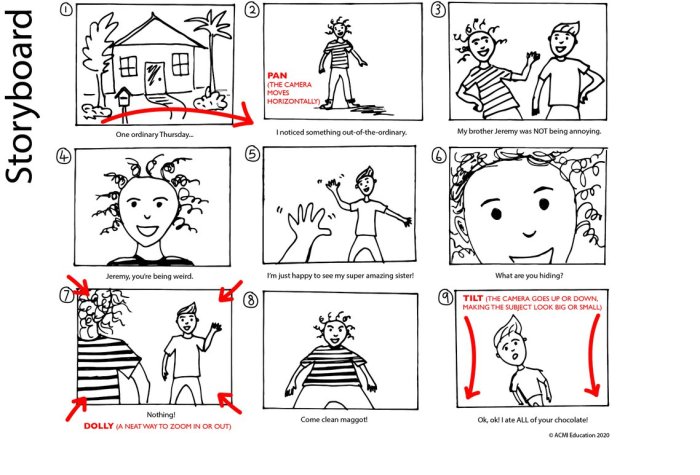
Storyboarding for suspense isn’t just about visually representing a scene; it’s about meticulously crafting the pacing, timing, and emotional impact to keep the audience on the edge of their seats. This section will delve into the practical application of the techniques discussed earlier, offering a step-by-step process for creating a suspenseful storyboard and highlighting common pitfalls to avoid.
Creating a Storyboard for a Short Suspenseful Scene
Let’s imagine a scene where a character, Sarah, is alone in her house at night. She hears a strange noise downstairs. To build suspense, we need to carefully control the pacing. The storyboard would begin with wide shots establishing the quiet, dark setting. Then, progressively tighter shots would focus on Sarah’s worried expression, the subtle creaks and shadows in the house. The timing is crucial; long pauses between panels depicting Sarah listening intently will amplify the tension. Short, quick panels showing fleeting movements or objects could hint at an unseen presence. The sequence should culminate in a close-up on Sarah’s face as she reaches for a weapon, leaving the audience uncertain about what’s about to happen. Each panel should be timed to create a sense of escalating dread, with longer dwells on moments of anticipation and shorter ones for sudden movements or sounds.
Depicting a Character’s Internal Conflict
Panel 4: A medium shot of Sarah standing frozen in her doorway, eyes wide. Her expression is a mixture of fear and determination. She’s clutching a baseball bat, her knuckles white. The background is blurred, emphasizing her internal struggle. The panel itself is darker than the preceding ones, visually representing her growing fear and uncertainty. The viewer can see her internal conflict – fight or flight – mirrored in her body language and facial expression. This internal struggle directly contributes to the overall suspense, as the audience is left to wonder what choice she will make and what the consequences might be.
Using Sound Effects to Amplify Suspense
Sound effects are an invaluable tool in storyboarding for suspense. In our example, we can incorporate sound effects in the descriptions below each panel. For instance, Panel 1 might include “Silence. Crickets chirping faintly.” Panel 3 could have “A distant floorboard creaks. Silence.” Panel 5, showing Sarah gripping the bat tighter, might read “Sarah’s breath hitches. A low thump from downstairs.” The careful use of silence and subtle sounds enhances the feeling of unease and anticipation, making the eventual “loud” sound (if there is one) even more impactful. The strategic placement of these textual sound effects within the storyboard enhances the overall suspense.
Common Pitfalls and Solutions
It’s important to avoid common mistakes when storyboarding for suspense. Here are three to watch out for:
- Pitfall 1: Too much explanation, not enough showing. Instead of explicitly stating “Sarah is scared,” the storyboard should visually convey her fear through her body language, facial expressions, and the environment. Solution: Focus on visual storytelling. Let the images speak for themselves.
- Pitfall 2: Inconsistent pacing. A rushed storyboard will fail to build tension effectively. Solution: Carefully plan the timing of each panel, using longer dwells for moments of anticipation and shorter ones for action.
- Pitfall 3: Revealing too much too soon. The mystery and uncertainty are key elements of suspense. Solution: Strategically withhold information, leaving the audience to fill in the gaps and speculate. Use shadows, obscured objects, and ambiguous imagery to create a sense of mystery.
Closing Summary
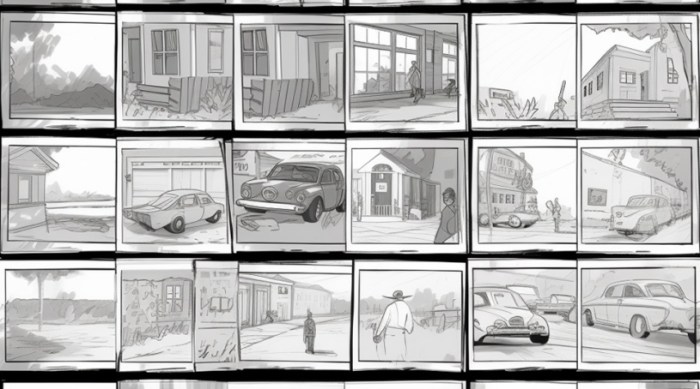
By applying these eight tips, you’ll transform your storyboards from simple visual aids into powerful tools for crafting suspense. Remember, the key lies in a careful orchestration of visual elements, thoughtful pacing, and an understanding of how to manipulate audience expectations. Through mastering these techniques, you can create storyboards that not only tell a story but also evoke a visceral response, leaving your viewers on the edge of their seats. Experiment, refine, and let your creativity guide you in building unforgettable suspense.