Storyboarding is the unsung hero of filmmaking, a crucial pre-production step that transforms abstract ideas into visual narratives. This comprehensive guide delves into the fundamentals of storyboarding, exploring various techniques, software options, and advanced applications. Whether you’re a seasoned filmmaker or just starting out, mastering storyboarding will significantly enhance your ability to communicate your vision and bring your projects to life more effectively.
From understanding basic principles and creating hand-drawn storyboards to utilizing advanced software and incorporating visual effects, this guide provides a practical and insightful journey through the world of visual storytelling. We’ll cover everything from simple dialogue scenes to complex action sequences and special effects, equipping you with the skills to effectively plan and execute your cinematic vision.
Understanding Storyboarding Fundamentals
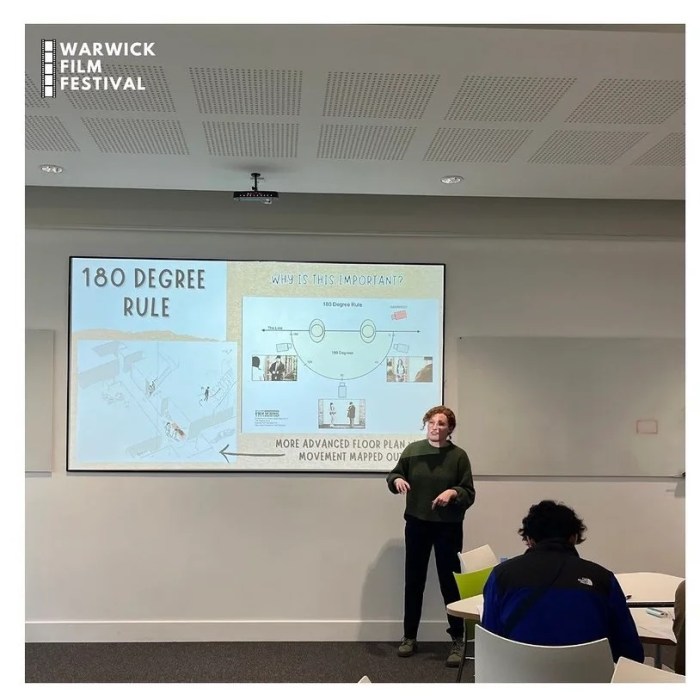
Storyboarding is a crucial pre-production process in filmmaking, acting as a visual roadmap for the entire production. It translates the script’s narrative into a series of sequential images, allowing filmmakers to visualize scenes, plan shots, and communicate their vision effectively to the crew. This process significantly improves efficiency, reduces on-set confusion, and ultimately contributes to a more cohesive and polished final product.
Storyboarding offers numerous benefits. It facilitates clear communication among the director, cinematographer, actors, and other crew members. By providing a visual representation of each shot, potential problems with camera angles, lighting, blocking, or set design can be identified and addressed before filming begins, saving time and resources. Furthermore, storyboarding allows for experimentation with different visual approaches and helps solidify the overall aesthetic of the film. It also serves as a valuable tool for securing funding and attracting investors, as it provides a concrete demonstration of the director’s vision.
Storyboard Types
Different types of storyboards cater to various needs and levels of detail. Thumbnail storyboards are quick sketches focusing on composition and overall shot flow. They are ideal for initial planning and brainstorming. Detailed storyboards, on the other hand, provide a much more precise representation of each shot, including character positions, lighting, and even specific camera movements. Animatics take this a step further by incorporating sound and movement, creating a rough animation of the film. The choice of storyboard type depends on the project’s scope, budget, and the level of detail required.
Sample Storyboard: Dialogue Scene
The following table illustrates a simple storyboard for a short dialogue scene between two characters, ANNA and MARK, in a coffee shop.
| Scene Description | Action | Dialogue | Camera Angle |
|---|---|---|---|
| Anna sits at a table in a bustling coffee shop, stirring her coffee. Mark enters. | Anna looks up, surprised. Mark approaches. | (Sound of coffee stirring) | Medium shot, Anna focused. |
| Mark sits opposite Anna. | Mark smiles warmly. Anna smiles back. | Mark: “Anna! Fancy meeting you here.” | Over-the-shoulder shot, focusing on Mark. |
| Anna and Mark engage in conversation. | Anna gestures animatedly. Mark listens attentively. | Anna: “I didn’t expect to see you here!” | Two-shot, showing both characters. |
Creating a Basic Storyboard
Creating a basic storyboard with pen and paper is a straightforward process. First, gather your materials: paper, pencils (or pens), an eraser, and a ruler (optional). Next, read the script carefully and break down the scenes into individual shots. For each shot, sketch a simple frame representing the camera angle and composition. Include key elements like character placement, setting details, and important action. Finally, add annotations to each frame indicating dialogue, camera movement, and any other relevant information. Remember to keep your sketches concise and focus on conveying the essential visual information. Practice and experimentation will refine your skills over time.
Storyboarding Techniques and Best Practices
Effective storyboarding goes beyond simply sketching out scenes; it’s a crucial pre-visualization tool that streamlines the filmmaking process, enhances communication, and ensures a cohesive final product. Mastering various techniques and best practices elevates your storyboards from basic sketches to powerful visual blueprints.
Storyboarding Software Comparison
Several software options cater to different needs and skill levels. Storyboard Pro, for example, offers robust features for professional animators and filmmakers, including advanced animation tools and collaboration features. On the other hand, simpler options like Photoshop or even hand-drawn sketches can be perfectly adequate for smaller projects or those prioritizing a quick, less technical approach. Ultimately, the best software depends on budget, project scope, and personal preference. Consider factors like ease of use, collaboration features, and the level of detail required for your project when making your choice.
Visual Storytelling in Storyboards
Storyboards are not just about depicting action; they’re about conveying emotion, narrative, and character development visually. Each panel should communicate a specific piece of information, contributing to the overall narrative flow. Consider using visual metaphors, symbolism, and strong composition to enhance the emotional impact and narrative clarity of your storyboards. For example, a low-angle shot of a character can convey their power or dominance, while a high-angle shot can emphasize their vulnerability. Effective visual storytelling makes the storyboard a compelling narrative in itself, independent of any accompanying script.
Composition and Framing in Storyboards
Composition and framing are fundamental aspects of visual storytelling that significantly impact the viewer’s experience. The rule of thirds, leading lines, and other compositional techniques guide the viewer’s eye and create visual interest. Careful framing helps establish the mood and tone of each scene. For instance, a tight close-up can emphasize a character’s emotional state, while a wide shot can establish the setting and context. Mastering these techniques ensures your storyboards are visually engaging and effectively communicate the intended narrative and emotional impact.
High-Action Scene Storyboard Panel
[Description of Storyboard Panel]: Panel depicts a car chase. The camera is positioned dynamically, using a low angle and fast panning movement to follow the lead car as it swerves to avoid obstacles. The car is slightly blurred, emphasizing speed. The background is a busy city street, filled with blurred buildings and people. The main character is behind the wheel, their face grim and determined. A second car is pursuing closely, its headlights visible. Visual effects include motion blur on the cars, tire smoke, and a slight digital distortion effect on the camera to enhance the sense of speed and chaos.
Character’s Emotional Arc Storyboard Panels
[Description of Storyboard Panels]: The series shows a character’s emotional progression throughout a scene. Panel 1: A wide shot showing the character alone in a dimly lit room, their posture slumped and shoulders bowed, conveying sadness and despair. Panel 2: A medium shot showing the character looking at a photograph, a slight smile playing on their lips, hinting at a flicker of positive memory. Panel 3: A close-up showing the character’s face filled with determination, their eyes focused on a task ahead. Panel 4: A medium shot showing the character celebrating a small victory, a genuine smile and a relaxed posture reflecting happiness and relief. The series visually charts the character’s journey from sadness to eventual triumph, demonstrating a clear emotional arc.
Advanced Storyboarding Applications
Storyboarding transcends basic scene visualization; it becomes a powerful tool for pre-production planning and collaboration when applied strategically. Mastering advanced techniques allows filmmakers to leverage storyboards for pre-visualization, complex scene planning, and effective communication within the production team, especially for projects involving extensive visual effects and sound design.
Pre-visualization and Shot Planning using Storyboards offer a significant advantage in the filmmaking process. By meticulously planning shots in the storyboard phase, filmmakers can identify potential logistical challenges, refine camera angles and movements, and significantly reduce time and resources during the actual shoot. This detailed pre-planning contributes to a smoother and more efficient production workflow.
Storyboarding for Complex Scenes with Special Effects
Effective storyboarding for scenes with extensive special effects requires a level of detail beyond standard scene breakdowns. Each panel should clearly depict the intended visual effects, specifying the type of effect (e.g., CGI creature, explosion, slow-motion), its scale and placement within the frame, and any interaction with the actors or environment. Annotations should detail the technical specifications, such as the desired camera movement, lighting, and overall mood to ensure clear communication with the VFX team. For example, a scene depicting a spaceship crash-landing might require panels illustrating the initial descent, the impact moment (with specific debris patterns indicated), the resulting crater, and the subsequent aftermath, each panel meticulously annotated with descriptions of the required CGI elements, lighting effects, and camera angles.
Collaborative Filmmaking Through Storyboards
Storyboards serve as a universal visual language, facilitating seamless collaboration among various departments. The storyboard provides a shared understanding of the director’s vision, allowing the cinematographer to plan camera setups, the art department to design sets and props, and the VFX team to conceptualize and execute special effects. Regular storyboard reviews and feedback sessions foster a collaborative environment, enabling proactive problem-solving and ensuring everyone is on the same page. This collaborative approach minimizes potential misunderstandings and discrepancies, streamlining the entire production process.
Storyboarding for a Scene with Extensive Visual Effects
Consider a scene where a colossal robot attacks a city. The storyboard would begin with establishing shots showing the city skyline, gradually transitioning to panels depicting the robot’s arrival. Each panel would meticulously illustrate the robot’s size and design, the destruction it causes (with detailed annotations of the destruction type, extent, and specific building collapses), and the reactions of the citizens. Key panels would highlight the robot’s movements and attacks, meticulously describing the required CGI elements such as particle effects for explosions and smoke, detailed animation of the robot’s movements, and specific lighting effects to emphasize the scale and intensity of the action. Annotations would clearly specify the camera angles and movements to capture the scene’s dynamic elements, guiding the VFX team in creating the desired visual impact.
Storyboarding with Integrated Sound Design
Integrating sound design into the storyboard enhances the storytelling experience and helps synchronize visuals with audio. Each panel should include descriptions of the intended sound effects and music. For example, a scene depicting a car chase could have panels with annotations such as “Panel 1: Tires screeching, engine roaring, background city noise,” “Panel 2: Glass shattering, explosion sound, rising tension music,” and “Panel 3: Police sirens, car horn blasts, climax music.” This detailed approach ensures that the sound design team understands the director’s vision, fostering a more cohesive and impactful final product. The sound descriptions would be integral to the overall storytelling, contributing to the scene’s emotional impact and realism.
Last Recap
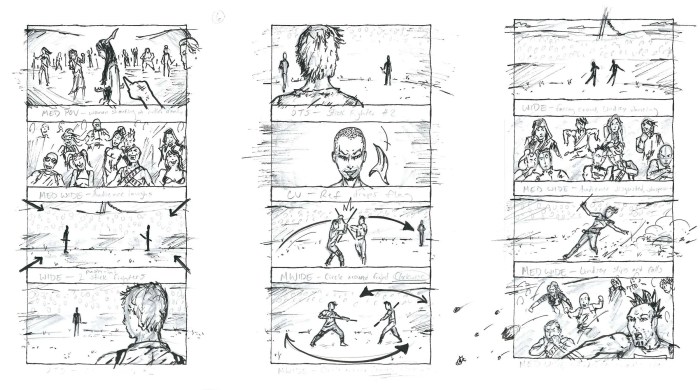
By mastering the art of storyboarding, filmmakers gain a powerful tool to pre-visualize their projects, ensuring smoother productions and more compelling final products. This guide has equipped you with the fundamental knowledge and practical techniques to create effective storyboards, from initial concepts to intricate special effects. Remember, a well-crafted storyboard isn’t just a visual roadmap; it’s a collaborative tool that unites the entire filmmaking team, fostering a shared understanding and contributing to a more cohesive and successful film.