Mastering the art of suspense in horror films hinges on meticulous pre-visualization. Storyboarding isn’t merely sketching scenes; it’s a crucial process of crafting atmosphere, building tension, and manipulating the viewer’s emotions. This exploration delves into six key techniques, transforming static images into potent tools for generating dread and escalating fear. We’ll examine how strategic composition, lighting, and visual storytelling can amplify the horror genre’s signature chills, guiding you through the process of creating truly terrifying and unforgettable sequences.
From establishing a chilling atmosphere through careful lighting and shadow play to utilizing camera angles and framing to maximize impact, we’ll unpack the intricacies of visual storytelling in horror. We’ll explore the power of suggestion, hinting at unseen threats to amplify the viewer’s anxiety and anticipation. The techniques discussed here are not merely theoretical; they are practical tools readily applicable to your next horror project, allowing you to translate your vision into compelling visuals that will leave a lasting impression.
Visualizing Dread
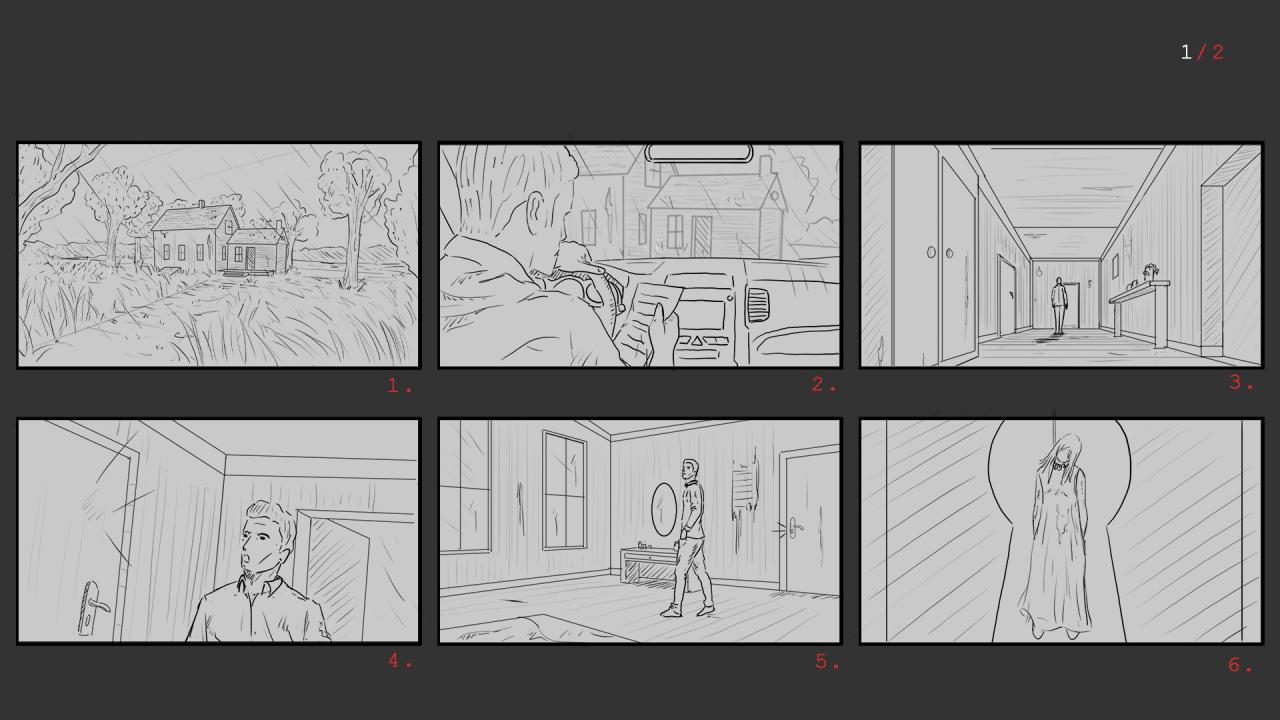
Effective horror storyboarding relies heavily on visual storytelling to create suspense and terror. The director’s vision, translated into detailed storyboards, guides the cinematographer, actors, and other crew members in crafting a truly frightening experience for the audience. Careful consideration of lighting, shadow, composition, and character movement are crucial in establishing the desired atmosphere and building tension.
Storyboards are not just a series of pictures; they’re a blueprint for fear. They meticulously plan the visual progression of a scene, meticulously charting the escalation of tension, and carefully crafting the impact of key moments. This allows for a cohesive and terrifying final product.
Storyboard Panels Depicting Isolation and Unease
The following three storyboard panels depict a character alone in a dark, ominous location, illustrating how visual elements contribute to a feeling of unease.
Panel 1: A wide shot of a dilapidated, gothic-style mansion silhouetted against a stormy night sky. The only light source is a single, flickering window on the upper floor, casting a weak, yellow glow against the overwhelming darkness. The character, barely visible as a small figure in the vast foreground, is walking slowly towards the house, their back to the viewer. This establishes the isolated and threatening environment.
Panel 2: A medium shot focusing on the character standing at the mansion’s heavy, wooden door. The door is partially obscured by shadows, creating an air of mystery. The character’s body language conveys apprehension; their shoulders are hunched, and their hand hesitates before reaching for the doorknob. The lighting emphasizes the contrast between the character’s vulnerability and the ominous structure.
Panel 3: A close-up on the character’s face, partially illuminated by the faint light from inside the mansion. Their expression is a mixture of fear and determination, their eyes wide with apprehension. Long, dark shadows obscure half of their face, adding to the sense of foreboding. This intimate perspective heightens the audience’s empathy and anxiety.
Storyboard Sequence Showing Escalation of Suspense
This five-panel sequence shows the escalation of a suspenseful scene, moving from a calm beginning to a moment of intense fear.
Panel 1: A wide shot of a character peacefully sleeping in their bed. The room is dimly lit, creating a calm and serene atmosphere. Soft, warm light bathes the room.
Panel 2: A medium shot focusing on a subtle change in the room; a shadow moves across the wall, barely noticeable. The lighting remains soft, but a slight shift in the color temperature suggests a change in the atmosphere. The character remains asleep, unaware.
Panel 3: A close-up on the character’s face as they stir in their sleep, their brow slightly furrowed. The shadows have become more pronounced, and the room feels cooler. A sense of unease begins to creep in.
Panel 4: A medium shot showing the character sitting up in bed, eyes wide open, staring at something off-screen. The lighting is now dramatically darker, with sharp, harsh shadows creating a sense of claustrophobia. The character’s breathing is visible.
Panel 5: A close-up on the character’s terrified face as a monstrous figure is revealed in the background. The lighting shifts to a harsh, almost blinding white, highlighting the horror. This abrupt change creates a visceral reaction.
Visualizing a Jump Scare: Two Approaches
Two distinct approaches can be used to visualize a jump scare in a storyboard: one emphasizing anticipation, the other, sudden impact.
Anticipation-Focused Approach: This approach builds suspense slowly. The storyboard would show a series of panels focusing on subtle visual cues – a creaking door, a flickering light, a misplaced object – gradually increasing the tension before the sudden reveal. The lighting would be carefully manipulated to create shadows and darkness, highlighting the character’s growing unease. The final panel would then feature the jump scare itself, but the impact is amplified by the preceding build-up.
Sudden Impact Approach: This approach prioritizes immediate shock. The storyboard would focus on a rapid visual shift. Several panels would show the character in a seemingly normal situation, followed by an immediate, jarring image of the jump scare. The lighting would shift abruptly from calm to intense, and the composition would be dramatically altered to emphasize the shocking element. The lack of anticipation increases the surprising element of the jump scare.
Mastering Mise-en-scène
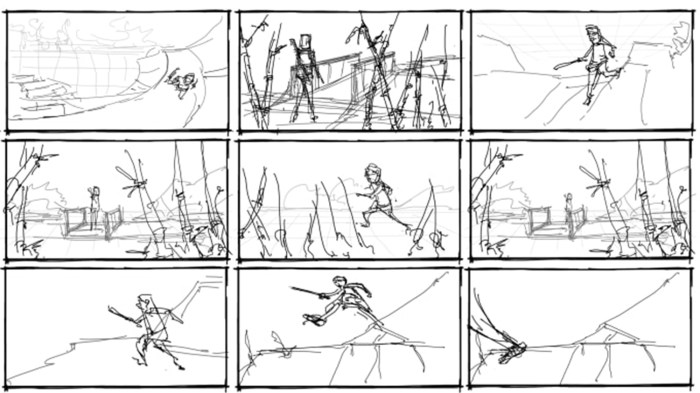
Mise-en-scène, encompassing all visual elements within a frame, is crucial in horror filmmaking. Careful manipulation of composition and framing techniques can significantly amplify suspense and dread, creating a visceral experience for the audience. By strategically employing tools like Dutch angles, varied camera shots, and principles like the rule of thirds, filmmakers can guide the viewer’s gaze and emotions, heightening the impact of the narrative.
Dutch Angles to Create Disorientation and Unease
Dutch angles, also known as canted angles, involve tilting the camera to create a skewed perspective. This technique immediately introduces a sense of unease and disorientation, suggesting instability and impending chaos. The effect is particularly potent in horror, where the unsettling visuals mirror the characters’ (and the viewer’s) psychological state.
Storyboard Sequence:
Panel 1: A long shot of a dimly lit corridor, slightly canted to the right. The effect is subtle, but it hints at something being “off.” The viewer feels a slight unease, a premonition of something unsettling about to happen.
Panel 2: A medium shot of the protagonist, slightly off-center, standing at the end of the corridor. The Dutch angle is more pronounced here, emphasizing the character’s vulnerability and the skewed nature of their reality. The angle accentuates their isolation and the looming threat.
Panel 3: A close-up on the protagonist’s face, the camera now severely canted to the left. The character’s expression is one of fear and confusion, mirroring the disorienting angle of the shot. The viewer feels their fear intensely.
Panel 4: An extreme close-up on the protagonist’s eye, wildly dilated, the Dutch angle is still present, creating a sense of claustrophobia and panic. The disorientation is amplified by the claustrophobic nature of the extreme close-up.
Camera Shots to Manipulate Emotional Response
Different camera shots offer distinct ways to manipulate the viewer’s emotional response. Close-ups create intimacy and heighten tension, while long shots provide context and can build suspense through isolation. Extreme close-ups intensify feelings of vulnerability and claustrophobia.
Storyboard Panels:
Panel 1 (Long Shot): A lone figure stands in a vast, empty graveyard at night, under a full moon. The vastness emphasizes the character’s isolation and vulnerability to the unseen.
Panel 2 (Close-Up): The figure’s hand trembles as they reach for a cold, metallic object. The close-up focuses on the detail of the trembling, highlighting the character’s fear and anxiety.
Panel 3 (Extreme Close-Up): A single drop of blood falls from the metallic object onto the character’s fingertip. The extreme close-up amplifies the horror, focusing on the visceral detail of the blood.
Rule of Thirds and Leading Lines to Build Suspense
The rule of thirds, a fundamental principle of composition, involves dividing the frame into thirds both horizontally and vertically, placing key elements at the intersections of these lines. Leading lines, such as roads, hallways, or fences, naturally draw the viewer’s eye towards a specific point in the frame. In horror, these techniques can be used to guide the viewer’s gaze, creating anticipation and building suspense towards a looming threat.
Storyboard Panel:
A dimly lit hallway is shown. Using the rule of thirds, a shadowy figure is positioned at one of the intersections, creating a focal point. Leading lines in the form of the hallway itself draw the viewer’s eye directly towards the figure, building anticipation and creating a sense of dread. The dark lighting and the figure’s ambiguous nature increase the sense of unease and suspense.
The Power of Suggestion
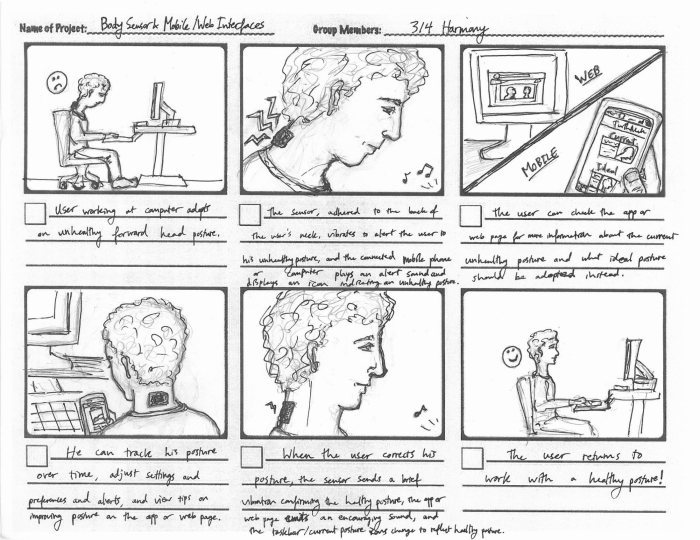
In horror filmmaking, less is often more. The power of suggestion, leveraging visual storytelling to create suspense without explicitly revealing the threat, is a potent tool for building dread and keeping audiences on the edge of their seats. By carefully crafting imagery and employing techniques like shadows, silhouettes, and implied movement, storyboards can effectively communicate a sense of unease and anticipation, far exceeding the impact of straightforward depictions of violence or horror. This section will explore how to utilize these techniques to maximize the impact of your horror storyboards.
Shadows and Silhouettes to Create Mystery and Foreboding
Effectively using shadows and silhouettes can dramatically enhance the suspense in a horror storyboard. These techniques allow the filmmaker to hint at the presence of something unseen, playing on the audience’s imagination and creating a sense of unease and anticipation. The ambiguity inherent in these visual elements allows for a wide range of interpretations, amplifying the feeling of dread.
Panel 1: A long, distorted shadow stretches across a dimly lit hallway. The shadow is vaguely humanoid, but its features are indistinct, leaving the viewer to wonder what casts it. The source of the shadow remains unseen, lurking just beyond the frame. The panel is rendered in muted greys and blacks, emphasizing the darkness and the mystery of the shadow.
Panel 2: A dark silhouette is visible against a brightly lit window. The silhouette is too large to be a human, suggesting something monstrous or unnatural. The figure is only partially visible, obscuring its features and heightening the sense of dread. The contrast between light and dark intensifies the ominous nature of the silhouette.
Panel 3: A character is standing in a brightly lit room, but a large, dark shadow falls across their face, obscuring their expression. The shadow is irregular and unsettling, hinting at a presence behind them that they may or may not be aware of. The viewer’s attention is immediately drawn to the shadow, wondering what or who is casting it, fostering suspense and unease.
Visually Hinting at a Threat Without Explicit Depiction
Three effective methods for visually hinting at a threat without explicitly showing it are:
Method 1: Implied Movement: Instead of showing the threat directly, subtly suggest its presence through displaced objects, disturbed environments, or a character’s reaction to something unseen. For instance, a slightly overturned chair, a flickering light, or a hastily abandoned object can create a sense of unease and imply that something has just passed through the area. The viewer fills in the blanks, creating a more impactful and personalized experience of fear.
Method 2: Foreshadowing through Symbolism: Utilize symbolic imagery to foreshadow impending danger. A recurring image, like a constantly dripping faucet, or a broken mirror, can subtly build tension and suggest impending doom. The symbolic nature allows for a deeper, more psychological impact, linking the imagery to the audience’s own fears and anxieties.
Method 3: Distorted Reflections: Reflections in mirrors or puddles can be manipulated to show distorted or unsettling images, hinting at the presence of a supernatural or monstrous entity without directly showing it. This technique can be incredibly effective in creating a sense of unease and paranoia, as the reflection is both a representation of reality and a warped, unsettling distortion of it. The uncertainty of what is real and what is not adds a layer of psychological horror.
Character Reaction to an Unseen Threat
A storyboard sequence focusing on a character’s reaction to an unseen threat can effectively build suspense. The character’s physical and emotional responses become the primary source of tension, leaving the threat itself to the audience’s imagination.
Panel 1: A character sits alone in a dimly lit room, reading a book. Their expression is calm and relaxed.
Panel 2: A sudden, subtle shift in the lighting; a flicker of movement in the periphery. The character’s posture stiffens slightly, their hand instinctively moving towards a nearby object (perhaps a weapon or a lamp).
Panel 3: The character’s head is turned slightly, their eyes wide with apprehension. Their breathing is shallow and rapid. Their body language conveys a clear sense of unease and anticipation.
Panel 4: The character is frozen in place, their face pale with terror. Their eyes are fixated on something just off-panel, their body tense, ready for flight or fight. The implied threat is palpable, conveyed entirely through the character’s extreme reaction.
Final Summary
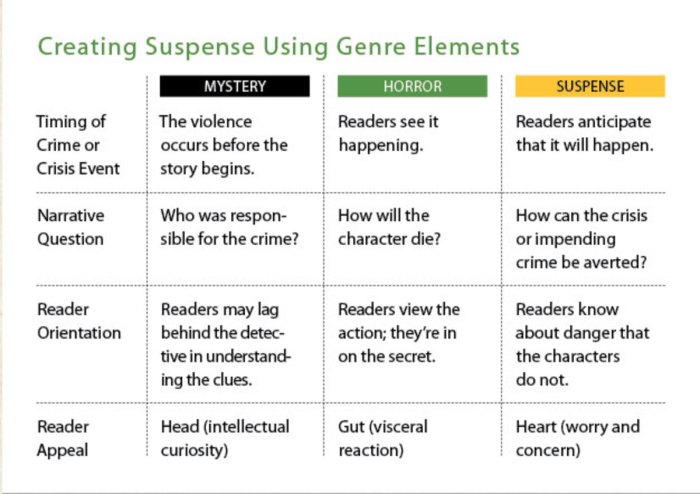
By strategically employing these six techniques—mastering mise-en-scène, visualizing dread, and harnessing the power of suggestion—you can elevate your horror storyboards from simple scene Artikels to powerful tools for crafting unforgettable cinematic experiences. Remember, the most effective horror often lies not in what is shown, but in what is implied. Through careful consideration of composition, lighting, and visual storytelling, you can manipulate the viewer’s emotions, building anticipation and delivering moments of genuine terror that resonate long after the credits roll. The ability to effectively storyboard horror is a skill that enhances storytelling and elevates the overall impact of your film.