Crafting compelling music videos requires a strong visual narrative, and storyboarding is the crucial first step. This guide delves into the art of harmonizing visuals with music and lyrics, offering eight key tips to achieve visual synergy and elevate your video from good to unforgettable. We’ll explore techniques for visual storytelling, practical steps for creating effective storyboards, and strategies for ensuring seamless integration between visuals, melody, and lyrical themes.
From understanding the principles of visual storytelling in the context of music videos to mastering techniques like sketching and utilizing software, this exploration provides a comprehensive roadmap for both beginners and experienced filmmakers. We’ll examine different visual styles, discuss the importance of synchronizing visuals with the music’s rhythm and melody, and showcase practical examples of how to represent abstract concepts visually. The ultimate goal? Creating a music video that resonates deeply with the audience on an emotional level.
Understanding Visual Storytelling in Music Videos

Music videos are a unique blend of audio and visual storytelling, where the visuals aren’t merely an accompaniment to the song but a crucial element in conveying its meaning and emotional impact. Effective visual storytelling in music videos requires a deep understanding of how imagery, editing, and cinematography can work together to enhance the listener’s experience and create a cohesive narrative, even in the absence of explicit dialogue.
Visual storytelling in music videos hinges on several core principles. First, it leverages the power of visual metaphors and symbolism to express abstract ideas and emotions. A recurring image, for instance, can represent a central theme or idea throughout the video. Second, it utilizes cinematography and editing techniques to control pacing and create specific moods. Quick cuts can create a sense of urgency, while slow, deliberate shots can evoke a feeling of calm or introspection. Finally, it often incorporates visual cues to foreshadow events or reveal underlying tensions within the narrative, subtly guiding the viewer’s interpretation of the song.
Mood and Atmosphere Establishment Through Visual Elements
Mood and atmosphere are established through a careful selection and arrangement of visual elements. Lighting plays a crucial role: dark, shadowy lighting can create a suspenseful or melancholic mood, while bright, vibrant lighting can evoke feelings of joy or optimism. Color palettes also contribute significantly; muted tones often suggest sadness or nostalgia, while bold, saturated colors can convey energy and excitement. Furthermore, the choice of location and setting profoundly impacts the overall atmosphere. A desolate landscape might suggest loneliness or isolation, whereas a bustling city street might convey a sense of dynamism and excitement. Camera angles and movement also influence mood. High-angle shots can make subjects appear vulnerable or insignificant, while low-angle shots can create a sense of power or dominance.
Comparison of Visual Styles in Music Videos
Music videos employ a diverse range of visual styles, each serving a unique purpose. Narrative music videos tell a story, often with a clear beginning, middle, and end, directly relating to the song’s lyrics or theme. Consider the music video for Taylor Swift’s “All Too Well (10 Minute Version)”, which meticulously unfolds a complex narrative relationship. Abstract music videos, on the other hand, prioritize visual artistry over literal storytelling. They often use surreal imagery, experimental editing techniques, and symbolic representations to evoke emotions and create a particular atmosphere. A prime example is Radiohead’s “Paranoid Android” video. Performance-based music videos primarily focus on showcasing the artist performing the song, often with elaborate staging, choreography, and visual effects. Michael Jackson’s “Thriller” is a classic example of a performance-based video that pushed creative boundaries. Each style offers unique opportunities to engage viewers and interpret the song’s essence.
Storyboard Sequence Demonstrating a Mood Shift
Let’s imagine a song that begins with a melancholic tone and gradually builds to a crescendo of empowerment. The storyboard sequence could start with a series of close-up shots of the artist, bathed in soft, blue lighting, looking introspective and vulnerable. The setting could be a dimly lit room, emphasizing feelings of isolation. As the song progresses, the lighting gradually shifts to warmer tones, and the camera work becomes more dynamic. Medium shots showing the artist interacting with others could be incorporated, signifying a shift toward connection and hope. The final shots could feature the artist in a brightly lit outdoor setting, with wide shots emphasizing freedom and self-acceptance. The shift from blue to warmer tones, from close-ups to wider shots, and from a confined space to an open one, visually reflects the song’s emotional journey from sadness to empowerment.
Storyboarding Techniques for Music Video Production
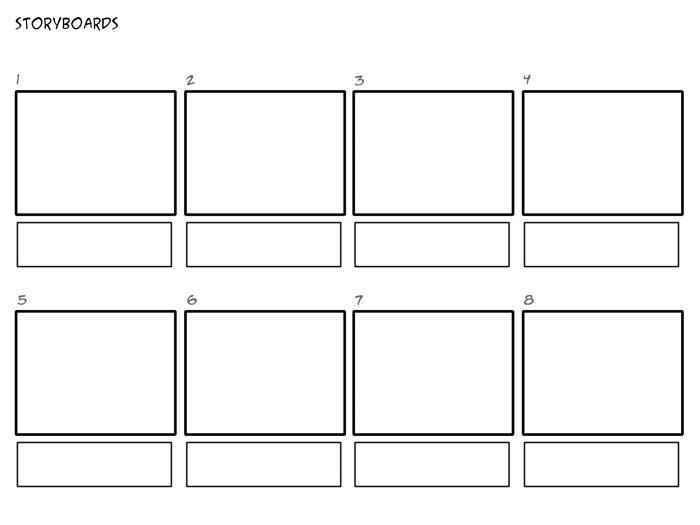
Creating a compelling music video requires meticulous planning, and storyboarding is the crucial first step. A well-executed storyboard translates the song’s emotional arc and lyrical content into a visual narrative, guiding the director, cinematographer, and editor throughout the production process. It serves as a blueprint, ensuring consistency and preventing costly on-set improvisations. This section details effective storyboarding techniques for music video production.
Storyboarding is a sequential art form, much like a comic book, but specifically designed for film and video. Each panel represents a single shot, outlining the camera angle, action, and key visual elements. This visual roadmap allows for pre-visualization of the final product, enabling creative adjustments before filming begins. This process significantly streamlines production, reduces errors, and enhances the overall quality of the final music video.
Step-by-Step Guide to Creating a Music Video Storyboard
Creating a storyboard involves a series of steps that transform a song’s essence into a visual script. This process is iterative, allowing for revisions and refinements as the project develops.
- Analyze the Song: Identify the song’s central theme, mood, and key lyrical moments. Note any metaphors, symbolism, or recurring motifs that can be visually represented.
- Develop a Concept: Based on the song’s analysis, brainstorm visual ideas that capture its essence. Consider the overall style and aesthetic—will it be realistic, abstract, or surreal?
- Sketch the Storyboard: Create thumbnail sketches for each shot. These don’t need to be highly detailed, but should clearly depict the camera angle, action, and key visual elements. Use simple shapes and lines to represent characters, objects, and the setting.
- Refine the Sketches: Once the basic sequence is established, refine the sketches, adding more detail to the characters, setting, and action. Pay attention to composition, ensuring each panel is visually engaging and tells a part of the story.
- Add Camera Angles and Descriptions: For each panel, specify the camera angle (e.g., wide shot, close-up, over-the-shoulder), lens type, and any special effects or transitions. Include concise descriptions of the action and dialogue, if applicable.
- Choose Storyboarding Software (Optional): Software like Storyboarder, Adobe Photoshop, or even PowerPoint can enhance the process. These tools allow for digital creation, easy revision, and collaboration.
- Review and Revise: Review the completed storyboard with collaborators to identify areas for improvement. Make revisions as needed to ensure clarity and consistency.
- Prepare for Production: Once finalized, the storyboard serves as a crucial guide for the entire production team. It facilitates efficient communication and ensures everyone is on the same page.
Examples of Effective Storyboard Layouts
Effective storyboard layouts utilize panel size, camera angles, and action descriptions to create a clear and compelling visual narrative. Varying panel sizes can emphasize key moments, while strategic camera angles enhance the emotional impact. Clear and concise descriptions ensure everyone understands the intended action.
For instance, a larger panel might be used for a dramatic climax, while smaller panels could depict transitional moments. A low-angle shot might emphasize a character’s power, while a high-angle shot could convey vulnerability. Descriptive text should avoid ambiguity, clarifying character actions, emotions, and any relevant details.
Storyboarding a 30-Second Music Video: Lyrical Theme Focus
Let’s consider a 30-second music video focusing on the lyrical theme of “escaping reality.” The song’s lyrics describe a character yearning for freedom from a mundane routine. The storyboard would depict this character’s transformation from a state of confinement to one of liberation.
| Panel Number | Description | Camera Angle | Special Effects |
|---|---|---|---|
| 1 | Close-up on the character’s tired face, surrounded by office clutter. | Close-up | None |
| 2 | Wide shot of the character staring longingly out a window at a vibrant sunset. | Wide shot | None |
| 3 | Medium shot of the character packing a bag, determined expression. | Medium shot | None |
| 4 | Close-up of the character’s hand turning off a computer, symbolizing leaving behind the routine. | Close-up | None |
| 5 | Montage of the character traveling – train, bus, walking through nature. | Varied shots | Time-lapse effect |
| 6 | Slow-motion shot of the character running freely in a vast open field, arms outstretched. | Slow motion | Lens flare |
| 7 | Close-up on the character’s smiling face, bathed in golden sunlight. | Close-up | None |
Storyboard Integrating Special Effects and Transitions
Seamless integration of special effects and transitions enhances the visual storytelling in a music video. These elements should be carefully planned in the storyboard to support the narrative flow and emotional impact.
For example, a slow-motion effect during a powerful lyrical moment can emphasize the emotion. A cross-fade transition can smoothly connect two distinct scenes, while a quick cut can create a sense of urgency. These effects should always serve the narrative, enhancing the overall impact of the story.
Harmonizing Visuals with Music and Lyrics
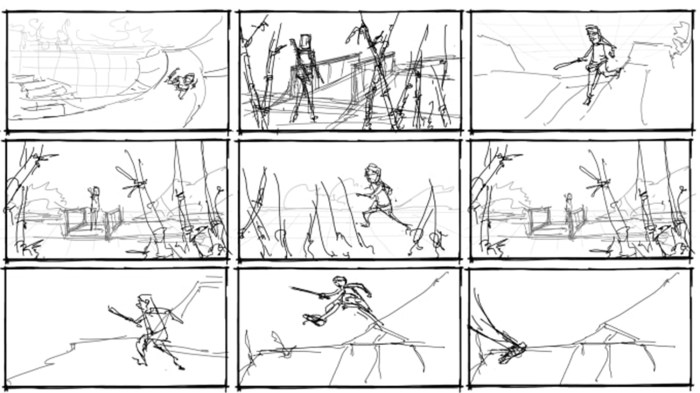
Creating a compelling music video requires a deep understanding of how visuals can enhance and complement the audio. The key lies in harmonizing the visuals with both the music’s rhythm and melody, as well as the emotional narrative woven into the lyrics. A successful music video doesn’t just illustrate the song; it elevates the experience by creating a synergistic relationship between sound and image.
Effective synchronization of visuals with music and lyrics is crucial for creating a cohesive and impactful music video. This involves carefully considering the tempo, mood, and instrumentation of the music, alongside the themes and emotions expressed in the lyrics. The goal is to create a visual narrative that resonates with the listener on a deeper level, enhancing their emotional connection to the song.
Visual Representation of Abstract Concepts and Emotions
Visualizing abstract concepts and emotions found in lyrics often requires creative interpretation and symbolic representation. Instead of literal depictions, the storyboard artist might use metaphors, imagery, and color palettes to evoke the intended feelings. For example, loneliness might be represented by a solitary figure in a vast, empty landscape, while joy could be conveyed through vibrant colors and dynamic movement. The choice of visual style should always align with the overall tone and style of the song.
Key Moments for Visual Enhancement
Certain moments in a song naturally lend themselves to powerful visual treatments. These often coincide with climaxes, emotional shifts, or lyrical highlights. The chorus, typically the most emotionally charged section, often benefits from striking visuals that reinforce its message. Similarly, bridge sections, which often introduce a change in mood or perspective, can be used to introduce a significant visual shift in the storyboard. These key moments provide opportunities for impactful visual storytelling that amplifies the song’s emotional impact.
Storyboard Example: “Bohemian Rhapsody” by Queen
Let’s consider Queen’s “Bohemian Rhapsody” as an example. This song features distinct sections with dramatically different moods, making it an ideal case study for demonstrating visual harmony. A storyboard for this song might look something like this:
- Intro (A cappella): A close-up shot of Freddie Mercury’s face, emphasizing his intense expression, reflecting the song’s dramatic opening. The camera might slowly zoom out as the vocals build.
- Ballad Section: Shift to more intimate scenes, perhaps showing a single figure in a dimly lit room, reflecting the introspective and melancholic tone of this part. The visuals should match the slow tempo and somber mood of the music.
- Opera Section: This high-energy section could be represented by chaotic and surreal imagery. Think quick cuts, intense lighting, and symbolic visuals representing the conflict and drama in the lyrics.
- Hard Rock Section: The transition to the hard rock section might be visually represented by a sudden shift to dynamic scenes, possibly featuring the band performing on stage, with powerful lighting and fast cuts.
- Outro (A cappella): The final a cappella section could return to a close-up of Freddie Mercury, perhaps showing a sense of resolution or acceptance on his face, mirroring the song’s emotional conclusion.
These choices emphasize the interplay between the visuals, music, and lyrics, reflecting the dramatic shifts in mood and tempo throughout the song. The storyboard would utilize different visual styles to represent the various sections, creating a cohesive and impactful visual narrative that complements the musical journey.
Closing Summary
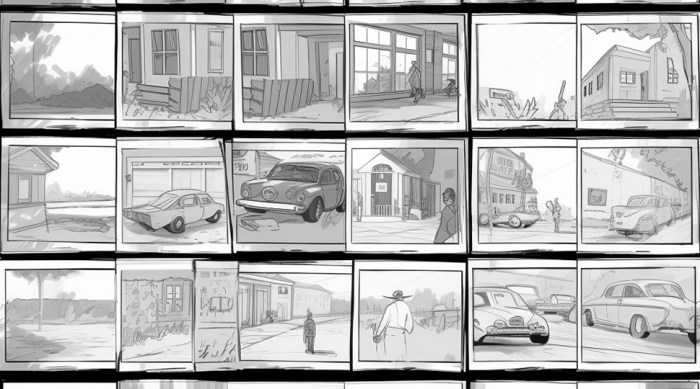
Mastering the art of storyboarding for music videos is about more than just sketching out scenes; it’s about crafting a cohesive visual narrative that amplifies the emotional impact of the music. By understanding the interplay between visuals, music, and lyrics, and by employing effective storyboarding techniques, you can create a music video that transcends the ordinary and leaves a lasting impression. Remember, a well-crafted storyboard is not merely a blueprint; it’s the foundation upon which a truly memorable music video is built. So, grab your pencils, open your storyboard software, and start visualizing the next visual masterpiece.