Visual novels blend captivating narratives with stunning visuals, and effective storyboarding is key to creating an immersive and unforgettable experience. This guide delves into five crucial tips to help you craft compelling visual novel storyboards that resonate deeply with your readers, focusing on techniques to enhance emotional impact, pacing, and overall reader engagement.
We’ll explore how to leverage visual elements such as camera angles, color palettes, and character design to effectively communicate narrative and character development. Understanding the interplay between visuals and text is paramount, and we will provide practical examples and techniques to master this art. By the end, you’ll possess a refined understanding of how to transform your script into a visually rich and emotionally resonant visual novel.
Understanding Visual Novel Storytelling
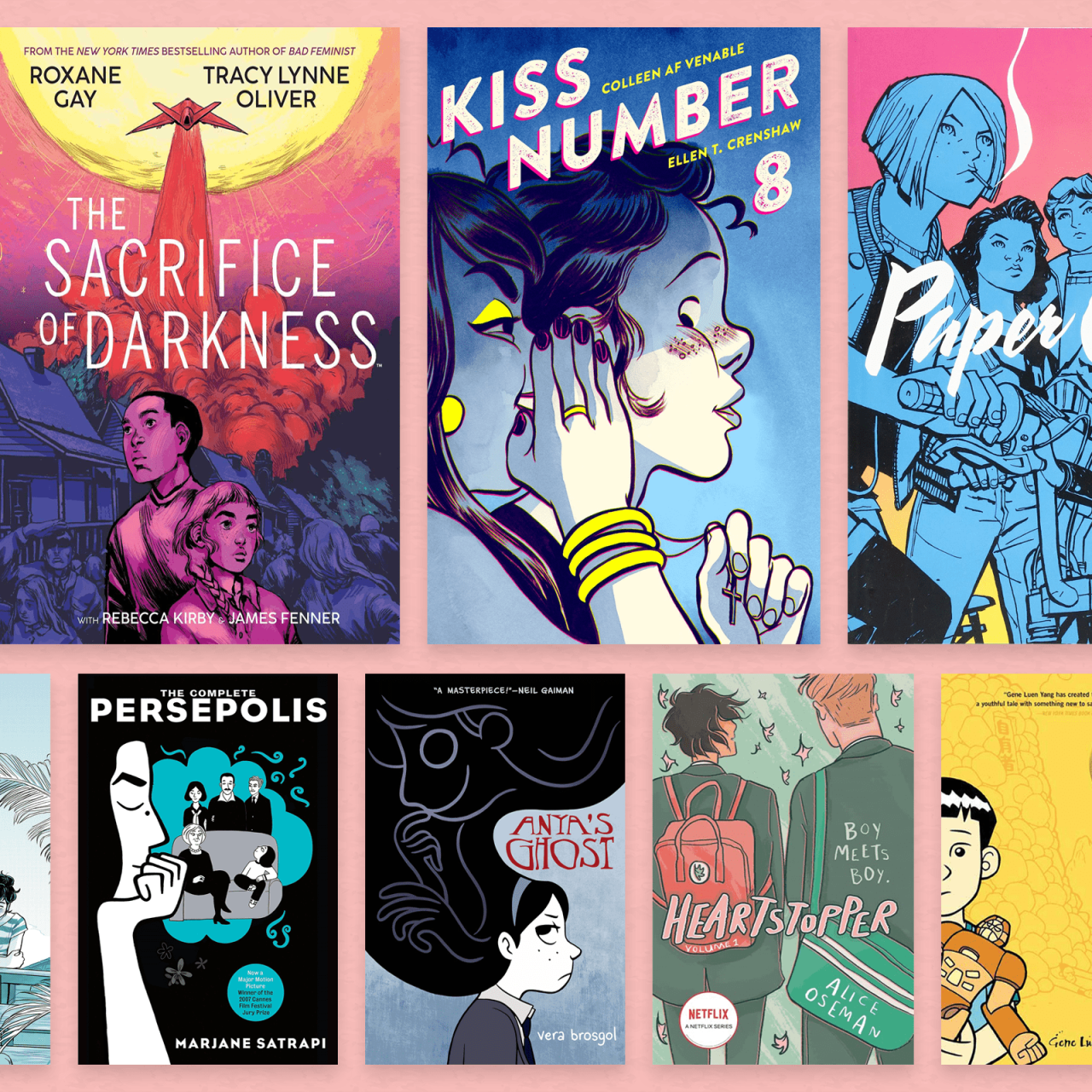
Visual novels rely heavily on the interplay between text and visuals to create a compelling narrative. Effective storytelling in this medium necessitates a deep understanding of how visual elements, particularly those presented in storyboards, can amplify emotional resonance and enhance narrative depth. Mastering the art of visual storytelling is crucial for crafting an engaging and memorable experience for the reader.
Visual novels offer a unique opportunity to control the reader’s emotional journey through careful manipulation of visual cues. This is where storyboarding plays a critical role. By pre-visualizing scenes, creators can ensure that the visual language aligns seamlessly with the narrative, creating a cohesive and impactful reading experience.
Storyboard Scene Depicting Crucial Character Interaction
The following scene depicts a crucial moment of reconciliation between two characters, Kira, a hardened detective, and Ren, a seemingly innocent suspect. The scene takes place in a dimly lit interrogation room.
Panel 1: A long shot shows Kira sitting across from Ren at a small table. Kira’s posture is rigid, arms crossed, her expression unreadable. Ren sits hunched over, hands clasped tightly in their lap, their head bowed. The room is dark, emphasizing the tension between them. The overall color palette is muted blues and greys. This establishes the initial atmosphere of distrust and unresolved conflict.
Panel 2: A medium shot focuses on Ren slowly lifting their head. Their eyes are filled with unshed tears, their gaze directed towards Kira. This shift in body language begins to convey Ren’s vulnerability. A single spotlight highlights Ren’s face, drawing the reader’s attention to their emotional state.
Panel 3: A close-up on Kira’s face shows a flicker of something resembling empathy in her eyes. Her previously rigid posture softens slightly. This subtle change in expression suggests a shift in Kira’s perspective. The lighting remains subdued, but a hint of warmer light touches Kira’s face.
Panel 4: A medium shot shows Kira extending a hand towards Ren. Ren hesitates before reaching out to grasp Kira’s hand. The lighting becomes slightly brighter, suggesting a release of tension. The overall color palette shifts slightly towards warmer tones. This visualizes the beginning of their reconciliation.
Camera Angles and Emotional Response in Visual Novels
The choice of camera angle significantly impacts the reader’s emotional engagement with a scene. Different angles can emphasize specific aspects of the characters’ emotions and the overall narrative tone.
| Camera Angle | Effect on Reader’s Emotional Response | Example | Visual Cue |
|---|---|---|---|
| Close-up | Intensifies emotions, fosters intimacy, and creates a sense of vulnerability or claustrophobia. | Close-up on a character’s tearful face during a moment of grief. | Detailed facial expressions, highlighting tears, trembling lips. |
| Medium Shot | Balances intimacy with context, providing a clear view of the characters and their immediate surroundings. | Medium shot of two characters arguing, showing their body language and the space between them. | Body language, positioning of characters relative to each other. |
| Long Shot | Provides a sense of isolation, vastness, or emphasizes the environment’s impact on the characters. | Long shot of a character standing alone in a vast, desolate landscape. | Character’s smallness in relation to the environment, vast empty space. |
| Over-the-Shoulder Shot | Creates empathy and allows the reader to see the scene from one character’s perspective. | Over-the-shoulder shot of one character observing another, revealing their thoughts and feelings. | Character’s perspective, facial expressions, body language. |
Visual Metaphors and Symbolism in Storyboard Panels
Visual metaphors and symbolism add layers of meaning and enhance narrative depth in visual novels. They allow for subtextual communication, enriching the reader’s understanding of characters and events. For example, a recurring motif of wilting flowers could symbolize a character’s declining health or fading hope, adding emotional weight beyond the explicit narrative. Similarly, the use of specific colors can evoke particular feelings; dark, muted colors might represent despair, while vibrant colors could suggest hope or joy. A character constantly silhouetted against a stormy sky could suggest their internal turmoil. These symbolic elements can resonate deeply with the reader, fostering a more profound connection with the narrative.
Crafting Engaging Storyboard Panels
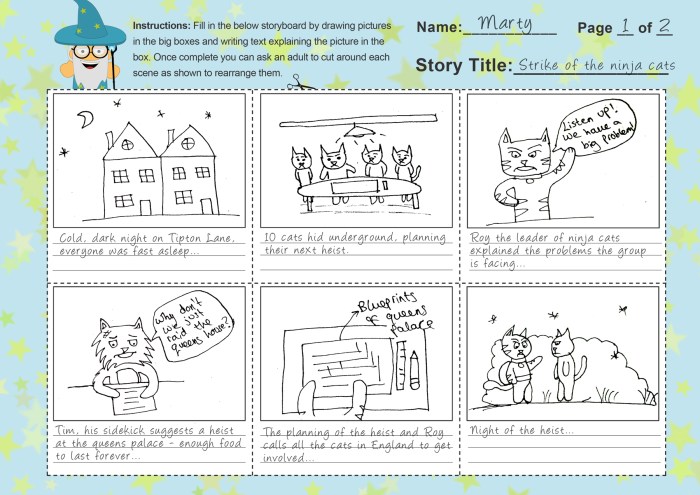
Storyboarding for visual novels goes beyond simply outlining scenes; it’s about crafting impactful visuals that resonate with the reader on an emotional level. Effective storyboard panels communicate not only the action but also the characters’ inner turmoil, setting the stage for an immersive and engaging narrative. This section delves into the art of designing panels that effectively convey character emotions and narrative context through visual storytelling techniques.
A well-designed storyboard panel acts as a miniature snapshot of the narrative, carrying the weight of both visual and textual information. By strategically utilizing visual elements and minimizing text, you can create panels that are both concise and emotionally resonant, leaving a lasting impression on the reader. The key lies in understanding how to translate internal conflict into visual language, manipulating composition, character expressions, and environmental details to tell a more complete story.
Visual Representation of Internal Conflict
Internal conflict, often the driving force behind a compelling narrative, can be subtly yet powerfully conveyed through visual cues. Instead of explicitly stating a character’s anxiety or joy, the storyboard panel should visually *show* it. Consider the character’s posture: slumped shoulders and downcast eyes might suggest sadness or defeat, while a clenched fist and narrowed eyes could depict anger or determination. Similarly, the use of color palettes can significantly impact the mood. Muted tones and desaturated colors can effectively portray feelings of depression or isolation, whereas vibrant colors can express joy or excitement. Close-ups on specific facial features, such as furrowed brows or trembling lips, can further amplify the emotional intensity. For instance, a panel depicting a character staring blankly at a rain-streaked window, with their shoulders slumped, conveys feelings of loneliness and despair far more effectively than simply writing “He felt lonely.”
Panel Layouts and Their Impact on Pacing
The choice of panel layout directly affects the pacing and rhythm of the visual novel. Different layouts create varied effects on the reader’s experience.
- Single Panel: A single panel can be used for impactful moments, allowing the reader to fully absorb the emotion and detail. This layout works well for moments of high tension or emotional revelation. Imagine a single panel showing a character’s face, close-up, tears streaming down their cheeks, the background blurred and out of focus. This instantly communicates intense sadness and vulnerability.
- Multi-Panel Sequences: Multi-panel sequences are ideal for conveying action or a series of events. A sequence of three panels could show a character initially hesitant, then making a decision, and finally taking action. This creates a sense of progression and builds anticipation. The number of panels and their size can be adjusted to control the pacing. A rapid succession of smaller panels can suggest a fast-paced scene, while larger panels with more detail can slow the pace and allow for more contemplation.
- Split Panels: Split panels can be used to show contrasting perspectives or parallel actions. For instance, one half of the panel might show a character’s outward composure, while the other half reveals their inner turmoil. This technique can effectively build suspense and create a sense of duality.
Incorporating Background Details and Environmental Storytelling
The background isn’t just a backdrop; it’s an integral part of the narrative. Details within the environment can subtly enhance the story, adding depth and enriching the overall reader experience. A cluttered, dimly lit room might suggest a character’s troubled state of mind, whereas a bright, airy space might indicate optimism or hope. The use of symbolism is also crucial. A wilting flower could symbolize fading hope, while a bright sunrise could represent a new beginning. Consider the use of specific objects to represent a character’s personality or past experiences. A worn-out teddy bear might indicate a childhood trauma, while a collection of books might suggest intellectual curiosity. For example, a scene depicting a character sitting alone in a deserted park, with fallen leaves scattered around them, instantly conveys a feeling of isolation and melancholy. The setting itself becomes a character in the narrative.
Optimizing Visuals for Reader Immersion
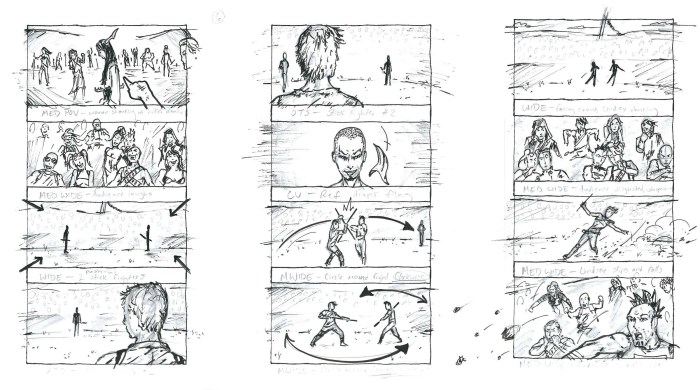
Visuals are the cornerstone of a compelling visual novel experience. They don’t merely accompany the text; they actively shape the narrative, evoke emotions, and draw the reader deeper into the story’s world. Mastering the art of visual optimization is crucial for creating a truly immersive and unforgettable experience. This section will explore how color palettes, lighting, transitions, and character design contribute to this immersion.
Color palettes and lighting choices significantly influence the mood and atmosphere of any given scene. A warm, saturated palette with bright lighting can create a feeling of happiness and energy, while cool, desaturated colors with dim lighting might evoke feelings of sadness or mystery. For instance, imagine a romantic scene: soft, pastel pinks and blues under a warm, golden sunset light would immediately establish a romantic atmosphere. In contrast, a tense interrogation scene could utilize deep blues and grays, with harsh, directional lighting to highlight the character’s expressions and emphasize the scene’s tension. A scene set in a dark, gothic mansion might use deep purples, blacks, and shadowy lighting to amplify the suspense and foreboding. The careful selection of colors and lighting isn’t just aesthetic; it’s a powerful tool for directing the reader’s emotional response.
Color Palette and Lighting Effects on Mood
Consider the following storyboard sequence: Panel 1 depicts a cheerful cafe scene, bathed in warm yellows and oranges, with bright sunlight streaming through the window. The characters are animated and their colors are vibrant. Panel 2 shows a sudden shift to a dark alleyway, using deep blues and purples under a dim, moonlight. The colors are desaturated, and the characters’ expressions are more serious. This stark contrast in color and lighting immediately conveys a change in mood and setting, preparing the reader for a shift in the narrative. The transition between these two panels could utilize a slow fade to black, further emphasizing the shift in tone.
Effective Use of Visual Transitions
Visual transitions are not merely decorative; they are essential tools for guiding the reader’s eye and managing the pace of the narrative. A simple fade-to-black can signal the passage of time or a shift in location, while a wipe transition can create a more dynamic feel, mimicking a camera pan or a change in perspective. Consider this sequence: A character is having a conversation (Panel 1). A sudden memory flashes (Panel 2), introduced with a quick dissolve transition from the current scene. The memory is shown in sepia tones to distinguish it from the present. The memory fades out (Panel 3) with a slow dissolve, returning to the present-day conversation (Panel 4). The use of these transitions clarifies the narrative’s structure and maintains a smooth flow.
Character Design and Reader Empathy
Character design plays a crucial role in building reader empathy and connection. A well-designed character is more than just visually appealing; it communicates personality, background, and emotional state. Key design elements contribute to this:
Facial features: The shape of the eyes, the curve of the mouth, and the placement of the eyebrows all contribute to conveying a character’s emotions and personality.
Body language and posture: The way a character stands, sits, or moves can reveal much about their attitude and confidence.
Clothing and accessories: Clothing choices reflect a character’s social status, personality, and even their inner turmoil.
Color palettes: The colors used in a character’s design can also contribute to their personality and role in the story. A character in bright, cheerful colors might represent optimism, while one in dark, muted tones could represent mystery or sadness.
By carefully considering these elements, designers can create characters that are not only visually appealing but also emotionally resonant, fostering a deeper connection between the reader and the narrative.
Concluding Remarks
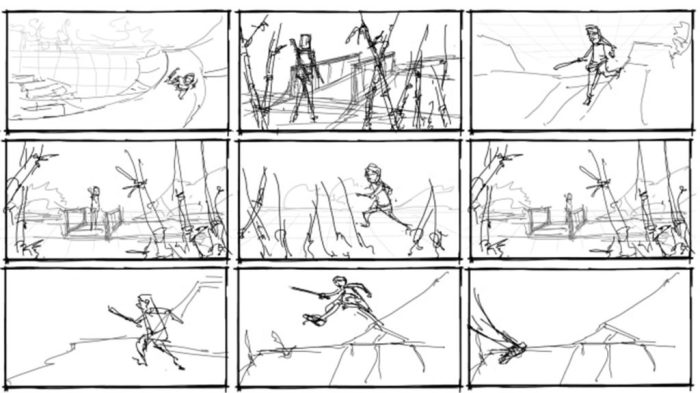
Mastering the art of visual novel storyboarding is a journey of visual storytelling, where each panel contributes to a larger, cohesive narrative. By carefully considering camera angles, color palettes, character design, and panel layouts, you can cultivate a deeply immersive and engaging experience for your readers. Remember, the goal is to evoke emotion, build empathy, and create a memorable story that transcends the limitations of text alone. Employ these five tips, and watch your visual novel come to life in a way that captivates and enthralls.